Is Mesh Wi-Fi Worth It for a Smart Home?
For most smart homes that span more than one floor or have devices in garages, basements, or far bedrooms, a mesh Wi-Fi system is worth it — not because it makes any single device faster, but because it removes the dead zones and weak-signal edges where smart-home gear quietly drops offline. A mesh won't fix problems caused by band steering, an overloaded 2.4 GHz channel, or a flaky cloud service, so it's worth understanding exactly what it solves before you spend money on one.
What a mesh actually does (and doesn't) for smart devices
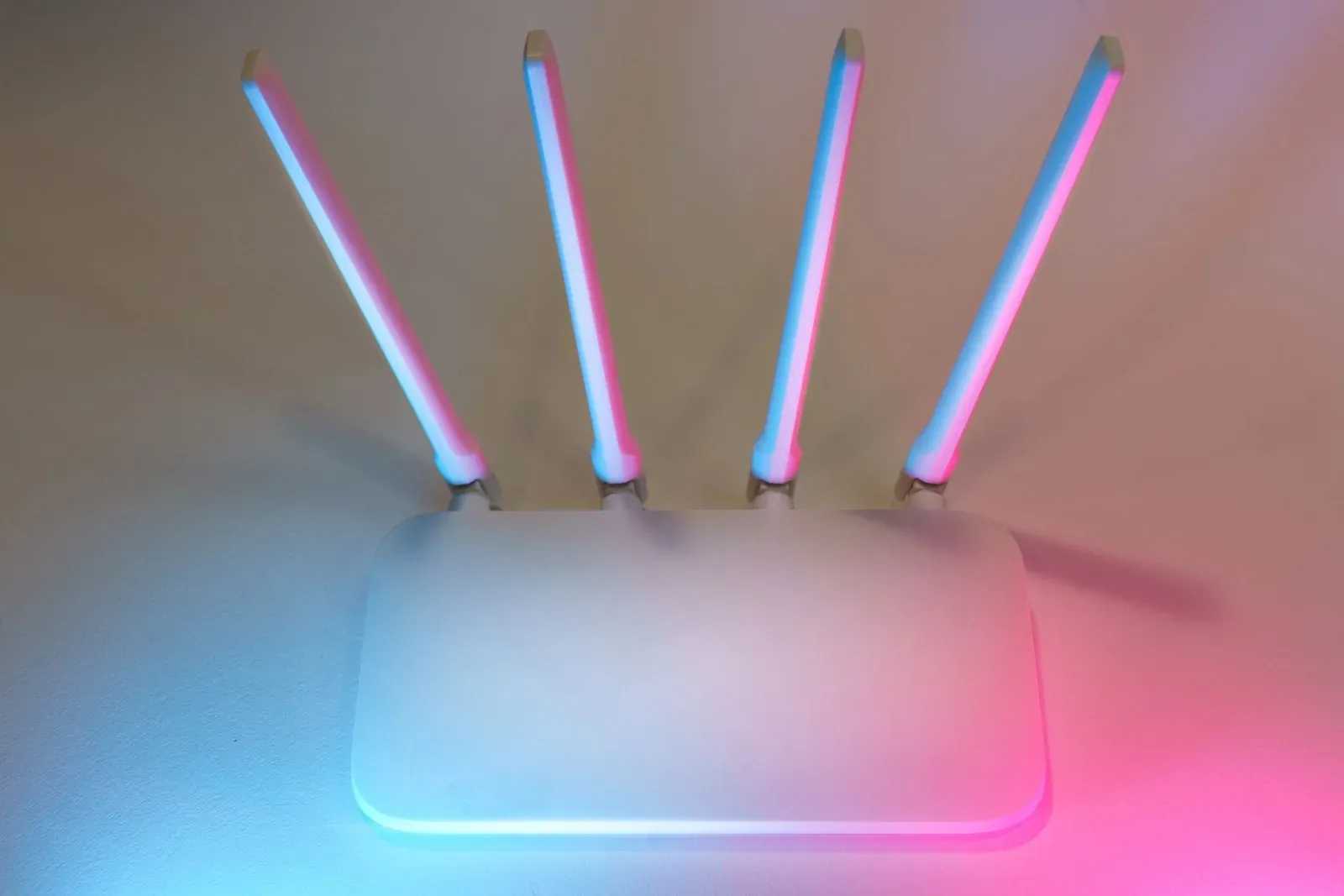
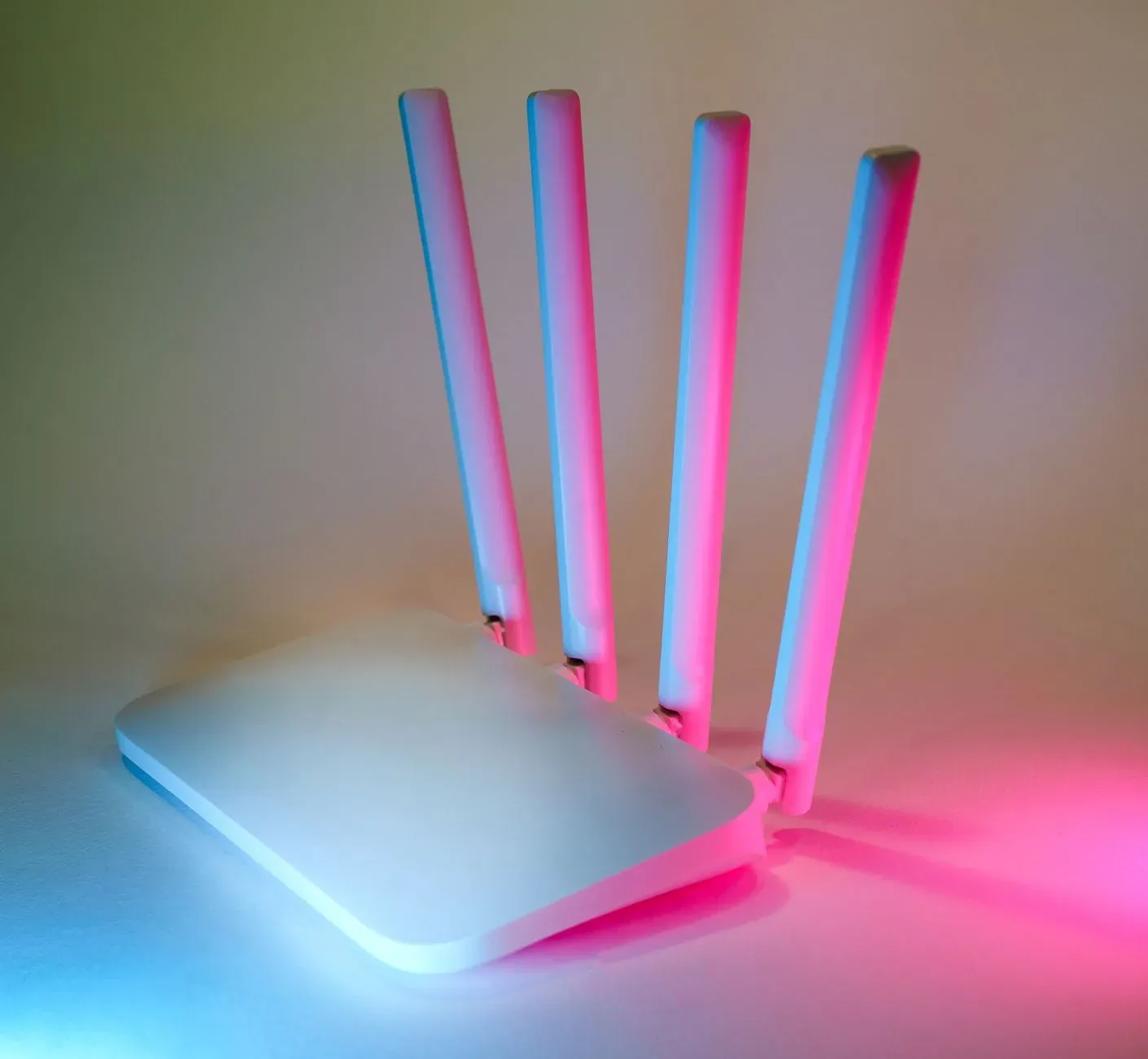
A mesh system replaces your single router with two or more units — a main node and one or more satellites — that share one network name and hand devices off between them as you move around. The goal is even coverage across a whole house instead of a strong signal near the router and a weak one everywhere else.
That matters for smart homes because the problem is almost never speed. A smart plug, contact sensor, or thermostat sends tiny amounts of data and is perfectly happy on a connection measured in kilobits. What kills these devices is a weak or intermittent signal. A sensor in a detached garage or a camera at the end of a long hallway may sit right at the edge of your router's range, where it connects, drops, reconnects, and reports as "offline" several times a day. A mesh node placed between the router and that device closes the gap.
So the honest framing is: a mesh is a coverage tool. If your dropouts come from distance and dead zones, it helps a lot. If they come from interference, an overcrowded 2.4 GHz band, or aggressive band steering, a mesh alone may not change anything — and the underlying issue is worth ruling out first. Our guide on how to improve Wi-Fi for smart home devices walks through those non-mesh fixes.
When a mesh is worth it
- Your home is large or multi-story. A single router struggles to cover much beyond one floor with thick walls. Devices on the opposite end of the house are the usual offenders.
- You have devices in "hard" locations. Garages, basements, attics, sheds, and outdoor cameras sit at the range limit, where signal is weakest and most variable.
- Several devices keep dropping in the same area. When the offline devices cluster in one part of the house, that's a coverage map telling you where a node belongs.
- You want Thread to spread out. Many mesh systems now include a Thread border router in each node, which extends Thread coverage the same way the Wi-Fi mesh extends Wi-Fi. See Thread border routers you may already own.
When a mesh probably isn't the answer
- Your home is small and one device drops. A single misbehaving device usually has its own problem — firmware, power, or a setup-time band issue — not a coverage gap. Our device-keeps-going-offline guide covers this.
- Your 2.4 GHz band is congested. Adding nodes that all broadcast on a crowded channel can make interference worse, not better. Sorting out channels and bands comes first — see channels, bands & a stable network.
- The lag is in the cloud, not the network. If devices respond slowly but stay connected, the bottleneck may be a platform's servers. See why devices respond slowly.
The two things that make or break a smart-home mesh
1. Wired (Ethernet) backhaul
By default, satellite nodes talk to the main node over Wi-Fi — "wireless backhaul" — which shares airtime with your devices and weakens with distance. If you can run an Ethernet cable to each node ("wired backhaul"), the nodes communicate over the cable and dedicate their radios to your devices. This is the single biggest reliability upgrade in any mesh, and most manufacturers recommend it where possible. Even one wired node placed centrally makes a noticeable difference.
2. The 2.4 GHz band and band steering
Nearly all smart-home Wi-Fi devices use 2.4 GHz because it travels farther and through walls better than 5 GHz. Many mesh systems ship with "band steering" on, presenting 2.4 and 5 GHz under one name and deciding for the device which to use. That's convenient for phones and laptops, but it's the most common reason a smart device fails to connect during setup — the device only sees 2.4 GHz and gets confused, or the app insists your phone be on 2.4 GHz too. If you hit this, our setup connection fixes and the broader 2.4 GHz vs 5 GHz explainer cover the workarounds.
Mesh vs. a single router with a separate IoT network
You don't always need a mesh. A capable single router placed centrally, with a dedicated 2.4 GHz network name for smart devices, solves a surprising number of problems in smaller homes.
- Best for large, multi-story homes and dead zones
- Even coverage as devices and people move around
- Often includes Thread border routers in each node
- Best for small-to-medium homes with one access point
- Cheaper, and a dedicated 2.4 GHz SSID keeps devices on the right band
- No roaming hand-off issues because there’s only one node
| Factor | Mesh system | Single router |
|---|---|---|
| Coverage in a large home | Strong — multiple nodes | Limited to one location's range |
| Cost | Higher (multiple units) | Lower |
| Control over 2.4 GHz | Varies; some hide the band | Often easier to split bands |
| Thread coverage | Often built into each node | Only if router has Thread |
| Setup-time pairing | Can be tricky with band steering | Usually straightforward |
Setting up a mesh for a smart home
If you've decided a mesh is worth it, a few choices during setup determine whether your devices stay reliably online.
- 1Place nodes within solid Wi-Fi range of each other (one weak link breaks the whole chain)
- 2Use wired Ethernet backhaul wherever you can run a cable
- 3In the router app, set a separate 2.4 GHz network name (or disable band steering) for smart devices
- 4Pick a clear 2.4 GHz channel — 1, 6, or 11 — to avoid neighbor interference
- 5Re-pair any devices that were dropping, so they join through the nearest node
If smart devices were already saved to your old network, they'll usually reconnect to the new one only after you update their Wi-Fi credentials in each device's app — many won't migrate automatically. If you also run a separate hub and it keeps dropping after the switch, our hub-stabilizing guide helps.
A note on hubs, Thread, and whether Wi-Fi is even the right radio
A mesh improves your Wi-Fi, but not every smart device should be on Wi-Fi. Battery sensors and many newer devices run on Thread or Zigbee, which mesh among themselves and don't load your Wi-Fi at all. If you're choosing what to buy, Wi-Fi vs Thread vs Zigbee explains which radio fits which job, and whether you still need a hub covers where a border router or hub fits in. Often the most reliable setup is a good mesh for Wi-Fi devices plus Thread/Zigbee for sensors — not Wi-Fi for everything.
Frequently asked questions
Will a mesh make my smart devices respond faster?
Rarely. Smart devices use almost no bandwidth, so more speed doesn't help. A mesh helps only when slow or failed responses come from a weak signal. If devices stay connected but lag, the cause is usually the platform's cloud, not your network.
Do I need to put smart devices on the 2.4 GHz band specifically?
Most Wi-Fi smart devices are 2.4 GHz-only, so yes — they'll use that band whether or not you label it separately. The reason to give 2.4 GHz its own network name is to make pairing reliable and keep devices from being steered toward a 5 GHz band they can't use.
Is wireless backhaul good enough, or do I really need Ethernet?
Wireless backhaul works and is fine for many homes. But wired backhaul is consistently more stable because the nodes don't compete with your devices for airtime. If you can wire even one node, do it.
Can a mesh replace my smart-home hub?
Partly. A mesh covers Wi-Fi and, if its nodes include Thread border routers, extends Thread too. It won't speak Zigbee or Z-Wave, so devices on those radios still need a hub or bridge.