How to Improve Wi-Fi for Smart Home Devices: A Guide
If your smart plugs, cameras, and sensors keep dropping offline, the fix is rarely "buy faster internet." Smart-home reliability depends on coverage and stability at the edges of your home, not raw download speed. The most effective improvements are giving 2.4 GHz devices a clean, well-channeled signal, placing your router and access points so weak corners are covered, and reducing the congestion and IP-address churn that quietly knock devices offline. This guide walks through those changes in order, from quick wins to deeper network fixes.
Step 1: Understand why smart-home devices stress Wi-Fi differently
A laptop streaming video wants throughput. A smart-home device wants a persistent, low-drop connection — it may send only a few bytes per hour, but it must stay reachable around the clock. Two realities shape everything below:
- Most Wi-Fi smart devices use 2.4 GHz only. Manufacturers choose 2.4 GHz because it travels farther and penetrates walls better than 5 GHz, which matters for a plug behind a couch or a sensor in the garage. The trade-off is that 2.4 GHz is more crowded and slower.
- Device counts add up fast. A modest smart home can have 30–50 connected endpoints. Each one holds a DHCP lease and a radio association, so a network that's fine for phones can strain under dozens of always-on gadgets.
For a deeper look at the band trade-off, see our guide on 2.4 GHz vs 5 GHz for smart home devices.
Step 2: Strengthen your 2.4 GHz coverage first
Because range is the limiting factor, weak signal in the rooms where devices live is the single most common cause of dropouts. Work through these in order:
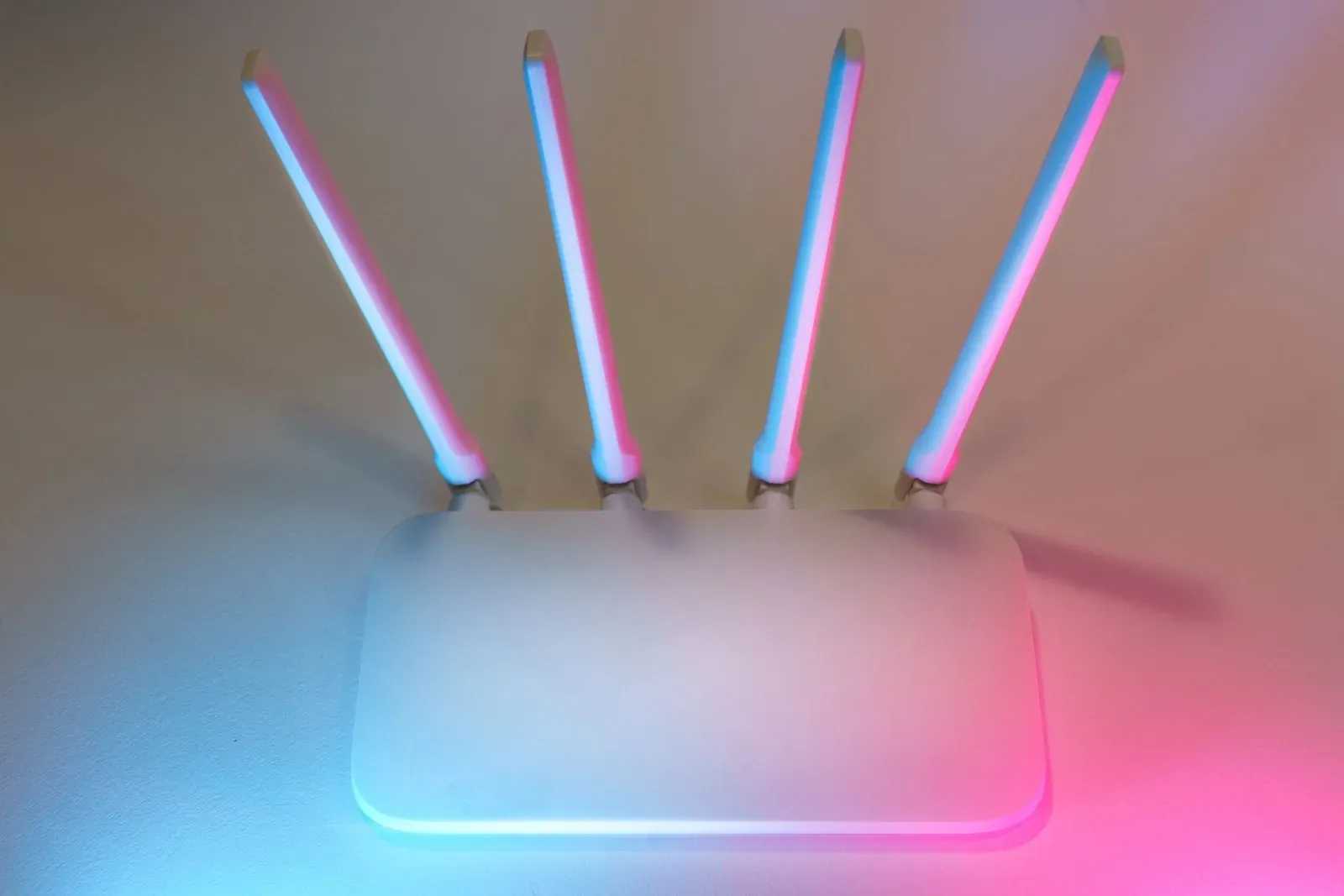
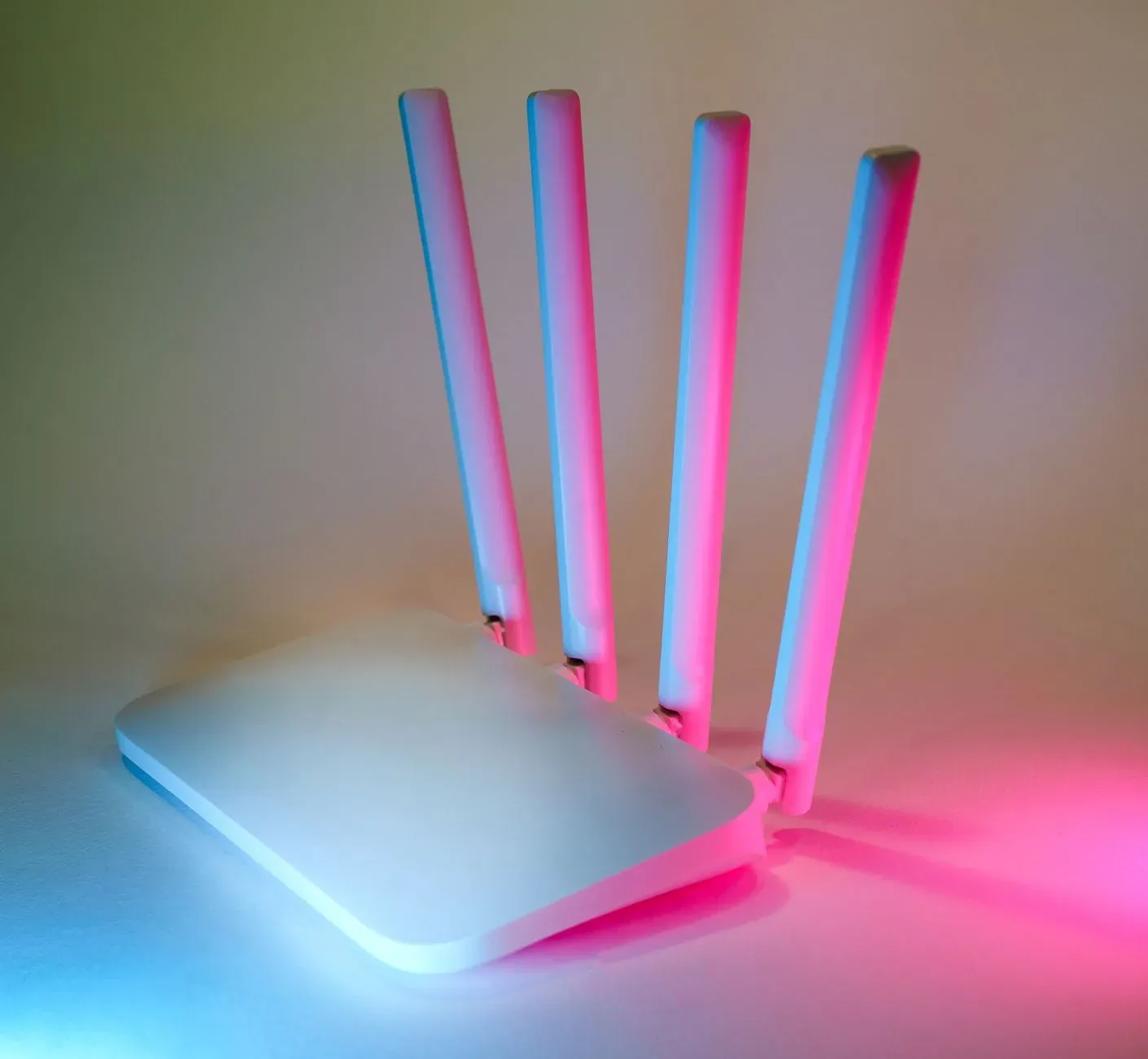
- Reposition the router. Place it central and elevated, away from metal, thick masonry, and large appliances. A router in a basement corner leaves the far side of the house starved.
- Check signal where devices actually are, not where you stand with your phone. A sensor in a detached garage or an outdoor camera may be far below usable signal even when your living room reads full bars.
- Add coverage where it's thin. Mesh nodes or additional access points usually solve corner-of-the-house problems that no single router setting can. Place a node between the router and the weak zone, not inside the weak zone itself.
Step 3: Clean up channels and interference
The 2.4 GHz band has only three non-overlapping channels in most regions (1, 6, and 11). In apartments and dense neighborhoods, dozens of networks pile onto the same channels, and your devices pay for it with retries and timeouts.
- Set the 2.4 GHz channel manually to 1, 6, or 11 if your router's auto-selection keeps landing on a crowded one. Pick whichever your neighbors use least.
- Use a 20 MHz channel width on 2.4 GHz, not 40 MHz. Wider channels increase interference on this band and rarely help smart devices, which need almost no bandwidth.
- Move interference sources. Microwaves, baby monitors, older cordless phones, and some USB 3.0 enclosures emit noise in the 2.4 GHz range. Keep them away from the router and from struggling devices.
Our companion article on smart-home Wi-Fi channels, bands, and a stable network goes deeper on channel planning.
Step 4: Stabilize the network so devices stop falling off
Many "Wi-Fi" problems are really stability problems. Devices reconnect poorly after brief outages, or they lose their place when the network changes underneath them.
- Keep one SSID name and password stable over time. Renaming your network or rotating the password forces every device through setup again.
- Consider a dedicated 2.4 GHz SSID for smart devices. Some gadgets fail to join a combined network that advertises both bands under one name, because they try to connect to 5 GHz and stall. A separate 2.4 GHz network sidesteps that.
- Lengthen DHCP lease times or assign static IPs to devices that drop after a day or two. Short leases can cause IP churn that some devices handle badly.
- Reboot the router on a schedule if you notice gradual degradation; long uptimes can exhaust connection tables on consumer hardware.
If your hub specifically is the thing dropping, our guide to stabilizing a disconnecting hub and the broader device-keeps-going-offline fix guide cover device-side causes.
- 1Improve 2.4 GHz coverage and placement
- 2Set a clean 2.4 GHz channel (1, 6, or 11) at 20 MHz
- 3Keep SSID and password stable; split off a 2.4 GHz network if needed
- 4Reduce IP churn with longer leases or static IPs
Step 5: Offload devices to Thread or Zigbee where you can
The most durable way to improve smart-home reliability is to put fewer devices on Wi-Fi at all. Low-power mesh protocols were built for this exact job: dozens of small, always-on endpoints that relay for one another.
- Each device joins your router directly, adding load
- Range limited to router/AP coverage
- Devices form a self-healing mesh and relay for each other
- Need a hub or border router, but ease Wi-Fi congestion
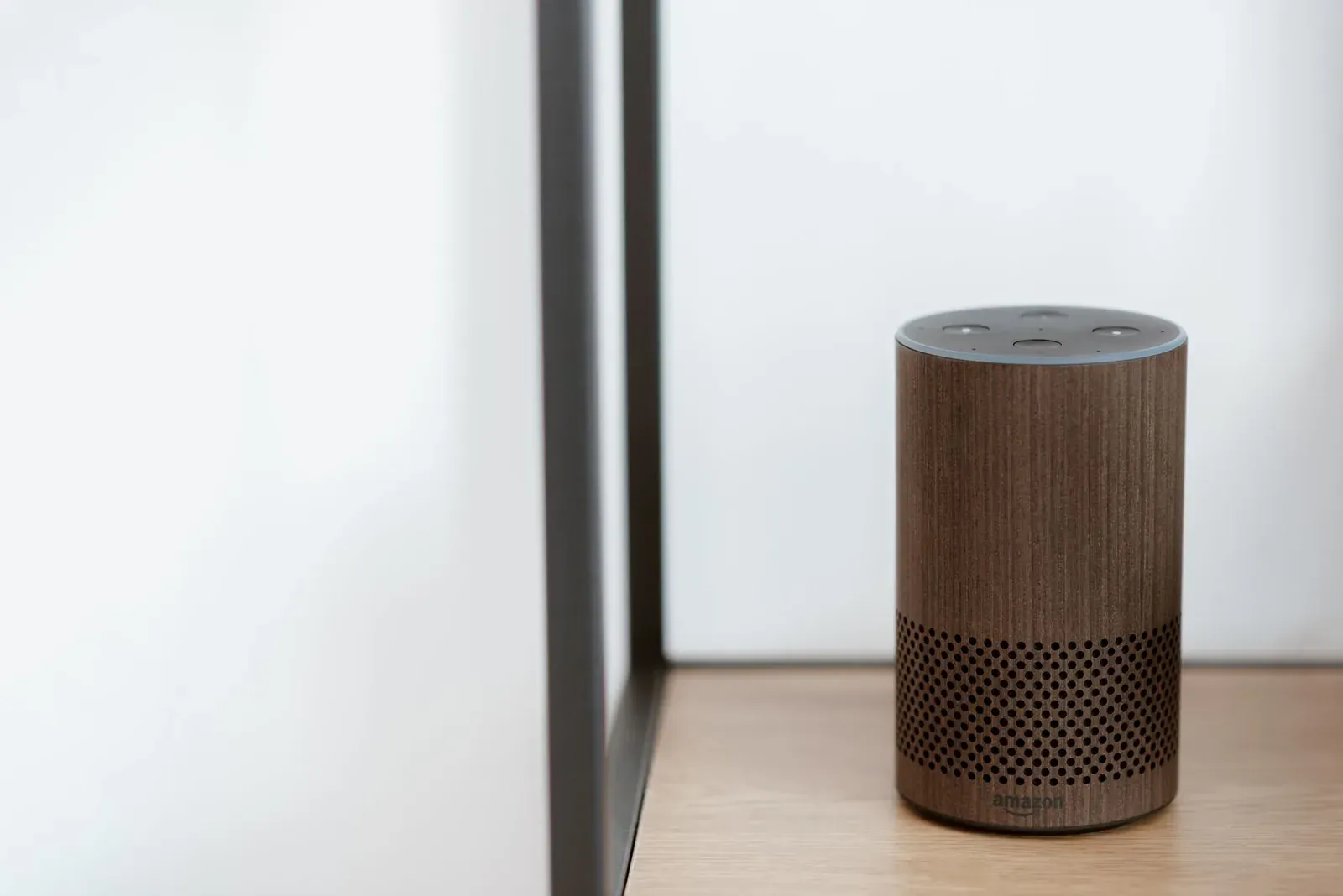
Mains-powered Thread and Zigbee devices act as repeaters, so coverage often improves as you add more of them — the opposite of Wi-Fi. Many people already own a Thread border router inside a smart speaker or hub. To decide what belongs on which network, see Wi-Fi vs Thread vs Zigbee.
Frequently asked questions
Will faster internet make my smart home more reliable?
Usually not. Smart-home dropouts are almost always about local Wi-Fi coverage, channel congestion, or network stability — not your internet plan's speed. Upgrading from, say, 200 Mbps to 1 Gbps does nothing for a sensor sitting in a Wi-Fi dead spot. Spend on coverage (mesh nodes, better placement) before bandwidth.
Should I put smart devices on a separate Wi-Fi network?
It often helps. A dedicated 2.4 GHz SSID prevents devices from stalling on a 5 GHz signal they can't use, and a separate network can simplify troubleshooting. It also lets you keep that SSID's name and password unchanged even when you update your main network.
Why do my devices reconnect slowly or respond with a delay?
Lag usually traces back to marginal signal, an overloaded 2.4 GHz channel, or a congested router connection table — the device's commands queue and retry. Strengthening coverage and clearing the channel typically helps. Our guide to fixing smart-home lag covers this in detail.
How many Wi-Fi devices can my router really handle?
There's no fixed number, but consumer routers can struggle well before their advertised limits because each smart device holds a persistent connection. If you're past 25–30 Wi-Fi endpoints and seeing instability, offloading some to Thread or Zigbee, or stepping up to a mesh system, is more effective than tuning settings alone.