Zigbee Devices Keep Dropping Off the Network? How to Fix It
If your Zigbee devices keep dropping off the network, the fix usually comes down to three things: a weak mesh (not enough mains-powered repeaters), Wi-Fi interference overlapping your Zigbee channel, or coordinator placement problems. Zigbee is a low-power, short-range mesh protocol, so a light switch that worked last week can go silent simply because a nearby "router" device was unplugged, breaking the path back to your hub. Below is a systematic way to diagnose and stabilize a flaky Zigbee network, starting with the changes most likely to help.
First, understand why Zigbee devices drop off
Zigbee builds a self-healing mesh. Your hub (the coordinator) talks to nearby router devices — anything mains-powered, like smart plugs, in-wall switches, and most bulbs — and those routers relay messages for devices farther away. Battery-powered sensors and buttons are end devices; they sleep to save power and rely entirely on a nearby router to stay connected.
When a device "drops off," it usually means the mesh path to it broke. The most common triggers:
- A router device was removed or lost power, orphaning everything that relayed through it.
- Interference on the 2.4 GHz band from Wi-Fi, USB 3.0 hardware, or a microwave overlapping your Zigbee channel.
- Too few routers, so distant devices sit at the edge of range with no fallback path.
- Coordinator placement — tucked behind a router or inside a metal cabinet, its signal is smothered at the source.
- 1Map which devices drop and where they sit
- 2Add or relocate mains-powered repeaters
- 3Move the coordinator away from Wi-Fi and USB 3.0
- 4Change the Zigbee channel to avoid Wi-Fi
- 5Re-pair stubborn devices close to a router
Step-by-step fixes
- Identify the pattern. Note which devices drop and where they are. If it's always the farthest sensors, you have a range/mesh problem. If it's random devices across the house, suspect interference. Many hubs and Zigbee stacks (Home Assistant's ZHA and Zigbee2MQTT, for example) show a network map and link quality (LQI) — use it to spot devices with weak or single-path links.
- Add mains-powered repeaters. This is the single most effective fix. Every always-on Zigbee plug, switch, or bulb you add becomes a router that strengthens the mesh. A good rule of thumb is a router device roughly every 30 feet and at least one per floor. Add them before assuming a device is faulty.
- Reposition your coordinator. Move the hub (or USB Zigbee stick) away from your Wi-Fi router, cordless phone bases, and any metal enclosure. If it's a USB dongle, put it on a short USB extension cable a few feet from the host machine — this alone resolves a surprising number of "whole network unstable" complaints.
- Fix USB 3.0 interference. USB 3.0 ports and cables (and the drives, docks, and hubs plugged into them) emit broadband noise right in the 2.4 GHz range. If your Zigbee stick sits next to a USB 3.0 SSD or a Raspberry Pi's blue USB port, move it away and use an extension cable. This is one of the most documented causes of Zigbee instability in community forums.
- Change your Zigbee channel. Zigbee and Wi-Fi both live on 2.4 GHz and will step on each other. Check which channel your Wi-Fi uses (typically 1, 6, or 11), then set your Zigbee coordinator to a channel that doesn't overlap. Note that changing the Zigbee channel usually forces you to re-pair devices, so treat it as a deliberate reset, not a quick toggle.
- Re-pair orphaned devices near a router. When you pair a device, pair it in (or near) its final location so it joins through the nearest strong router. A device paired next to the hub and then moved across the house may never rebuild a good route.
Zigbee vs. Wi-Fi channel overlap
Because both protocols share 2.4 GHz, the goal is to keep your Zigbee channel out of your busiest Wi-Fi channel's footprint. Use this as a starting point, then verify against your own router's channel:
| If your Wi-Fi channel is… | Try this Zigbee channel | Why |
|---|---|---|
| 1 | 20 or 25 | Sits above the Wi-Fi 1 band |
| 6 | 15 or 25 | Avoids the middle of the band |
| 11 | 15 or 20 | Sits below the Wi-Fi 11 band |
| Auto / unknown | 15, then 20, then 25 | Test which is cleanest for your home |
If your Wi-Fi is set to "auto" channel, consider locking it to a fixed channel so your Zigbee network isn't chasing a moving target. Our guide on Wi-Fi interference on 2.4 GHz walks through finding a clean channel, and improving Wi-Fi for smart devices covers band and placement basics.
When it's the hub, not the mesh
If every Zigbee device drops at once, the problem is likely the coordinator or its host, not individual routes. A hub that reboots, overheats, or loses power will take the whole network down and rebuild it slowly. If the outages line up with hub restarts or firmware updates, see how to stabilize a hub that keeps disconnecting. And if devices only vanish after a power event, our guide to smart devices offline after a power outage covers how to bring a mesh back cleanly.
Frequently asked questions
How many Zigbee devices can one network handle?
In practice, a healthy home Zigbee network supports dozens of devices, but the real limit is often how many end devices a single router can support at once — frequently around 20 or fewer, depending on the router's firmware. Adding more mains-powered routers spreads that load and is usually what lets larger networks stay stable.
Do smart bulbs make good Zigbee repeaters?
They can route traffic, but some older or budget bulbs are notoriously poor repeaters and can even destabilize a mesh. If you suspect a bulb is the weak link, dedicated Zigbee plugs or in-wall switches are more reliable repeaters. Our piece on smart bulbs going offline digs into bulb-specific quirks.
Will moving to a Wi-Fi 6 router help my Zigbee network?
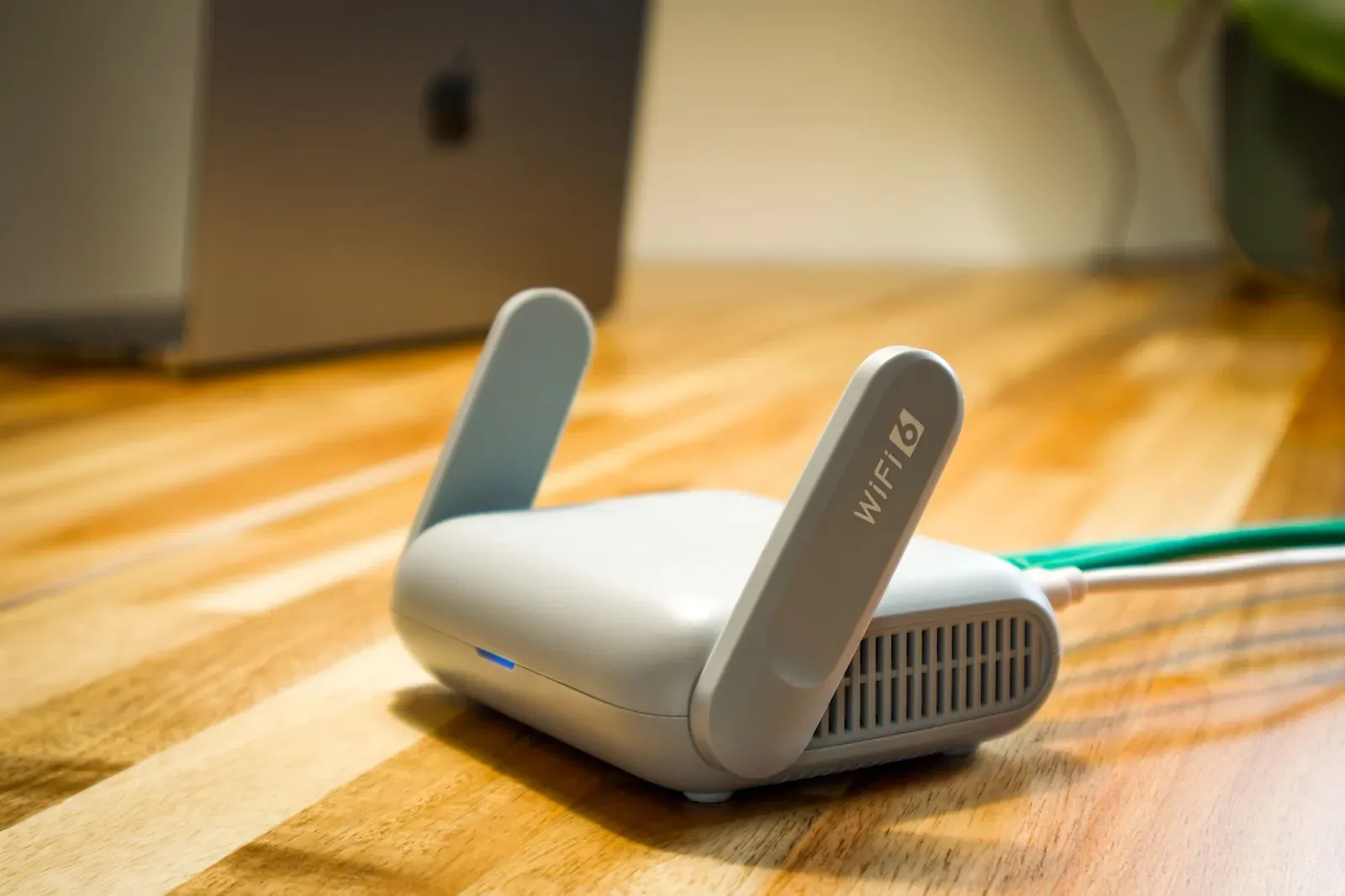
Only indirectly. Zigbee doesn't run over Wi-Fi, but a better router lets you set a fixed 2.4 GHz channel and reduce congestion, which cuts interference with Zigbee. The mesh itself still depends on Zigbee routers, not your Wi-Fi speed.
Should I switch from Zigbee to Thread or Matter?
Not just to fix dropouts — the same mesh and interference principles apply to Thread, since it also uses 2.4 GHz. Fixing repeaters and channels is the better first move. If you're already troubleshooting Matter pairing, see why won't my Matter device pair.