Smart Devices Offline After a Power Outage? Here's the Fix
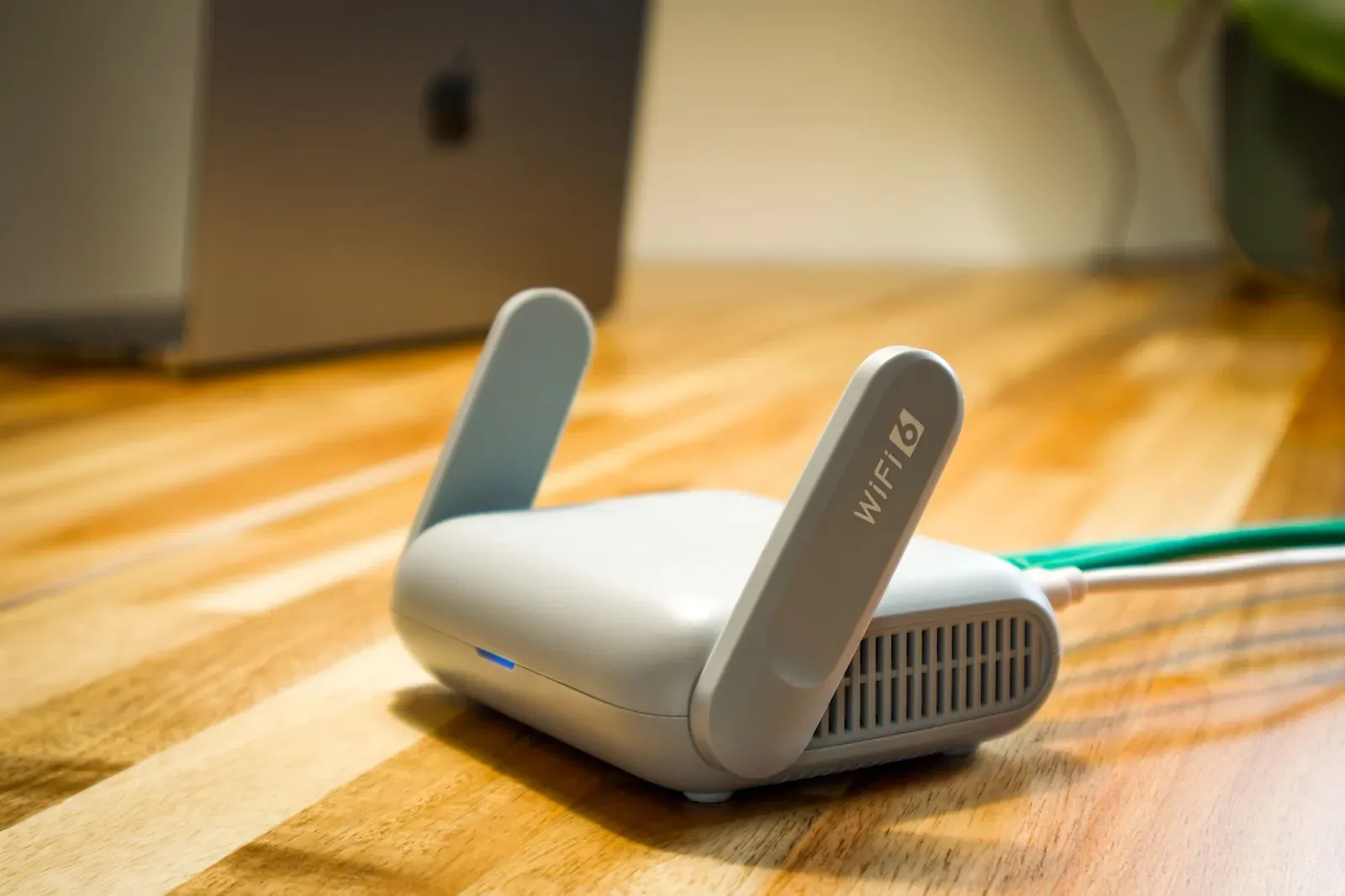
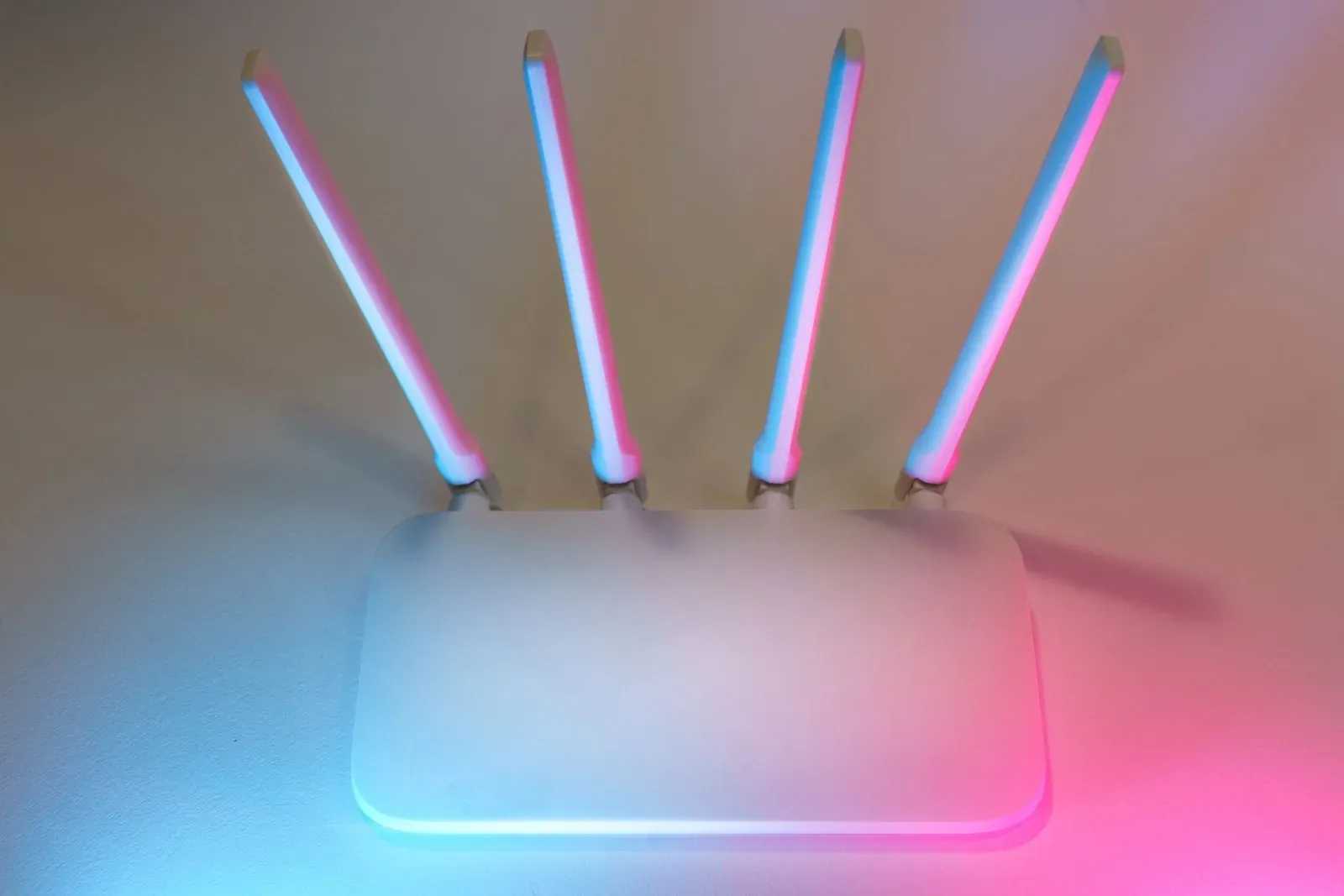
If your smart lights, plugs, and sensors went dark after a power outage and never came back, the usual cause isn't broken hardware — it's a boot-order problem. When power returns, your modem, router, hub, and devices all wake up at once and race to reconnect. Many of them finish booting before the internet or Wi-Fi is actually ready, give up, and sit there offline. The fix is almost always to power everything down, then bring it back up in order, from the internet connection outward to the individual devices.
Below is the sequence that resolves the large majority of post-outage outages, plus what to do for the stubborn devices that still won't rejoin.
Why a power outage knocks devices offline
During normal operation, your network comes up gradually: the modem syncs with your ISP, the router gets an IP address, then devices connect to the router. After an outage, everything is energized simultaneously. A smart plug that boots in 15 seconds will look for Wi-Fi that won't exist for another two minutes — so it logs a failure and waits, sometimes indefinitely, for a manual nudge.
A few outage-specific gremlins make it worse:
- DHCP lease changes. When the router reboots, it may hand out different local IP addresses than before. Hubs and bridges that expected a fixed address can lose track of accessories until they re-discover them.
- A different Wi-Fi channel. Many routers auto-select a channel at boot. If yours lands on a new one, 2.4 GHz devices that cached the old settings can struggle to reconnect.
- Hubs that boot before the cloud is reachable. A hub that comes up without internet may show every accessory as unavailable even after the connection returns, until it's restarted.
- Surge or brownout damage. Less common, but a hard hit can corrupt a device's saved settings or, rarely, the hardware itself.
Step 1: Restart your network in the right order
This single step fixes most cases. Don't skip the waiting periods — they're what prevent the boot race from happening again.
- 1Unplug the modem, router, and hub together
- 2Wait 30 seconds, then power on the modem and wait for a solid online light
- 3Power on the router and wait 1-2 minutes until Wi-Fi is broadcasting
- 4Power on your smart-home hub last and give it 2-3 minutes to connect
- Unplug everything in the chain — modem, router (or all-in-one gateway), and any smart-home hub or bridge. Leave them off for about 30 seconds so they fully reset.
- Power the modem first. Wait until its online/internet indicator is solid, not blinking. This usually takes one to two minutes.
- Power the router next. Give it a full one to two minutes to broadcast Wi-Fi before moving on. Confirm a phone can reach the internet.
- Power the hub or bridge last. A hub needs a working internet connection at boot, so it must come up after the router is ready.
If you have a combined modem-router gateway, treat it as one box: restart it, wait for the internet light, then bring the hub up afterward. Once the network is healthy, check your smart-home app — many devices will reappear on their own within a few minutes.
Step 2: Power-cycle the devices that are still offline
After the network is stable, deal with individual holdouts. Order matters here too — fix the infrastructure devices before the leaf devices that depend on them.
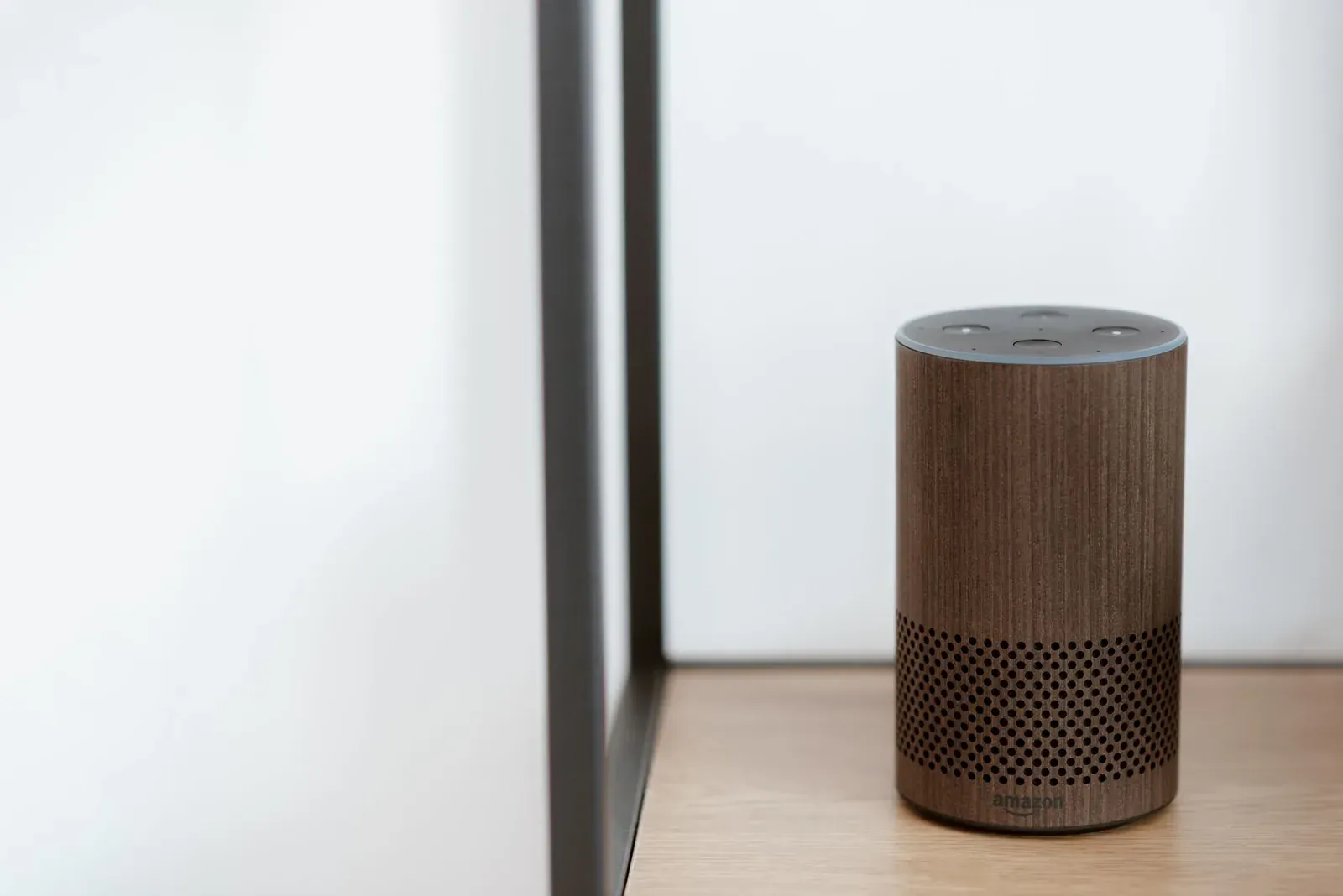
- Thread border routers and Zigbee/Z-Wave hubs first. Many speakers, displays, and hubs double as a Thread border router. If that device is offline, every Thread accessory behind it looks offline too. Restart the border router and confirm it's back before chasing the accessories.
- Wi-Fi plugs and bulbs next. Toggle power off and on at the outlet or switch. A smart bulb controlled by a wall switch that's now off simply has no power — check that first.
- Battery devices last. Sensors and locks usually ride out an outage on battery, but they may have marked their hub unreachable. Once the hub is back, they typically re-check in on their next scheduled wake; pressing the device's button can speed it up.
If a single device stays offline while its neighbors recover, the problem is local to that device — see the table below. If everything on one protocol is offline, suspect the hub or border router for that protocol.
Match the symptom to the cause
| What you see | Most likely cause | What to do |
|---|---|---|
| Everything offline, no internet on phones | Modem/router didn't recover | Restart the network in order (Step 1) |
| All Thread or Zigbee devices offline, Wi-Fi fine | Hub or border router stuck | Restart the hub/border router, then the accessories |
| One Wi-Fi device offline, others fine | Device cached old Wi-Fi settings or lost its IP | Power-cycle it; if no luck, reconnect it in its app |
| A bulb is offline and unresponsive | Wall switch cutting its power | Restore power at the switch; leave it on |
| Device online but routines don't run | Hub rebooted with no internet, automations paused | Restart the hub after internet is confirmed |
Step 3: Reconnect or re-add the holdouts
A device that won't return after power-cycling has usually lost its saved network credentials or its place in the hub's table. Reconnect it through the platform you set it up in:
- In the Alexa app or the Google Home app, open the device and look for an option to reconnect, refresh, or re-run setup. For Matter devices, you generally don't need a new pairing code to reconnect — that's only for first-time setup.
- If reconnecting fails, remove the device from the app and add it again. Keep the original Matter pairing code or QR label handy; it's printed on the device or its manual.
- If the device won't enter pairing mode, do its factory reset (the manufacturer's documented button sequence), then add it fresh. This clears any corrupted post-outage state.
If you find yourself re-adding the same device after every blip, the real issue may be an unstable network or a hub that keeps dropping. Our guides on a hub that keeps disconnecting and devices that keep going offline dig into the underlying causes.
Prevent the next outage from causing chaos
You can't stop blackouts, but you can make recovery automatic.
- Reserve IP addresses for your hub and bridges in the router (often called DHCP reservation). They'll keep the same local address across reboots, so accessories don't get lost.
- Lock your Wi-Fi to fixed channels on 2.4 GHz so devices reconnect to a known setting. Our smart-home Wi-Fi guide covers stable channel and band setup.
- Battery-back the core. A small UPS on the modem, router, and hub absorbs flickers that would otherwise trigger a full reconnection scramble.
- Keep a second Thread border router. Having more than one means a single device's reboot doesn't strand your Thread network.
Frequently asked questions
Why did only some of my devices come back after the outage?
The ones that recovered probably booted after the network was ready, or reconnect aggressively. The holdouts likely booted into a no-Wi-Fi state and stopped retrying, or they sit behind a hub or Thread border router that itself didn't fully recover. Restart that hub first, then power-cycle the individual stragglers.
Do I need to re-pair my Matter devices after a power outage?
Usually not. A power outage doesn't erase a device's commissioning, so a reconnect or a power-cycle is normally enough. You only need the original pairing code again if you remove the device entirely or factory-reset it. Keep those QR labels somewhere safe just in case.
Could the outage have damaged my devices?
It's possible but uncommon. Surges and brownouts can occasionally corrupt a device's saved settings (fixed by a factory reset and re-add) or, rarely, the hardware. If one device is dead while everything around it works, try it on a known-good outlet before assuming a network issue. A surge protector or UPS reduces this risk going forward.
Will my routines and automations work again on their own?
Once the devices and the hub are back online with internet, automations generally resume. If a hub booted without internet, it may have paused automations until restarted — so if schedules aren't firing even though devices respond, restart the hub after confirming the connection is solid.