Smart Home Security Best Practices: Lock It Down
The fastest way to lock down a smart home is to secure the three layers attackers and snoops actually reach: your platform account, your Wi-Fi network, and the devices themselves. Most real-world break-ins to smart homes aren't dramatic exploits — they're reused passwords, an unpatched camera, or a default PIN. The good news is that the highest-impact fixes are free and take an afternoon. This guide walks them in priority order, with the reasoning behind each step so you can decide what matters for your setup.
Start with your accounts — they control everything
A smart-home account is a master key. Whoever holds it can often unlock doors, view cameras, and trigger automations from anywhere. That makes account security more important than any single device setting.
- 1Turn on two-factor authentication for every platform account
- 2Replace reused passwords with unique ones stored in a password manager
- 3Review and remove old guest access, shared users, and stale linked services
- Enable two-factor authentication (2FA). In the Alexa app, Google Home app, the Apple ID settings, and the SmartThings app, turn on 2FA (sometimes shown as two-step verification). An authenticator app or passkey is stronger than SMS, which can be intercepted via SIM-swap attacks.
- Use a unique password per platform. Reuse is the number-one cause of account takeover: one leaked password from an unrelated site gets tried everywhere. A password manager removes the temptation to reuse.
- Audit shared access. Most platforms let you add household members or guests. Remove people who no longer need access, and revoke third-party integrations you don't recognize or no longer use.
Isolate your devices on the network
Cheap smart plugs and bulbs rarely receive long-term security updates, so treat them as untrusted. The fix is segmentation: put IoT gear on its own network so that if one device is compromised, it can't reach your laptop, phone, or network storage.
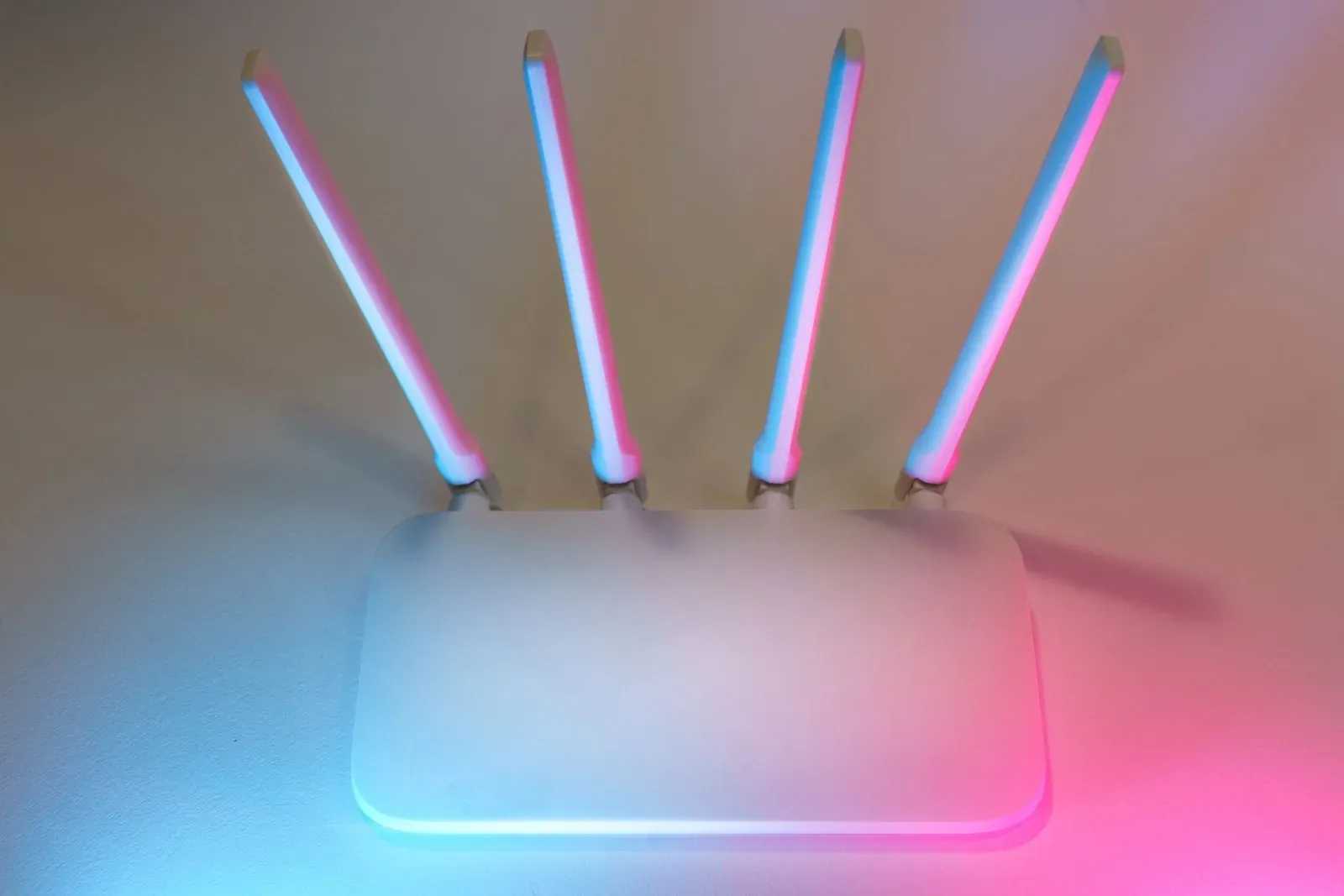
- Create a separate SSID or guest network for smart devices. Many routers also offer client isolation, which stops devices on that network from talking to each other.
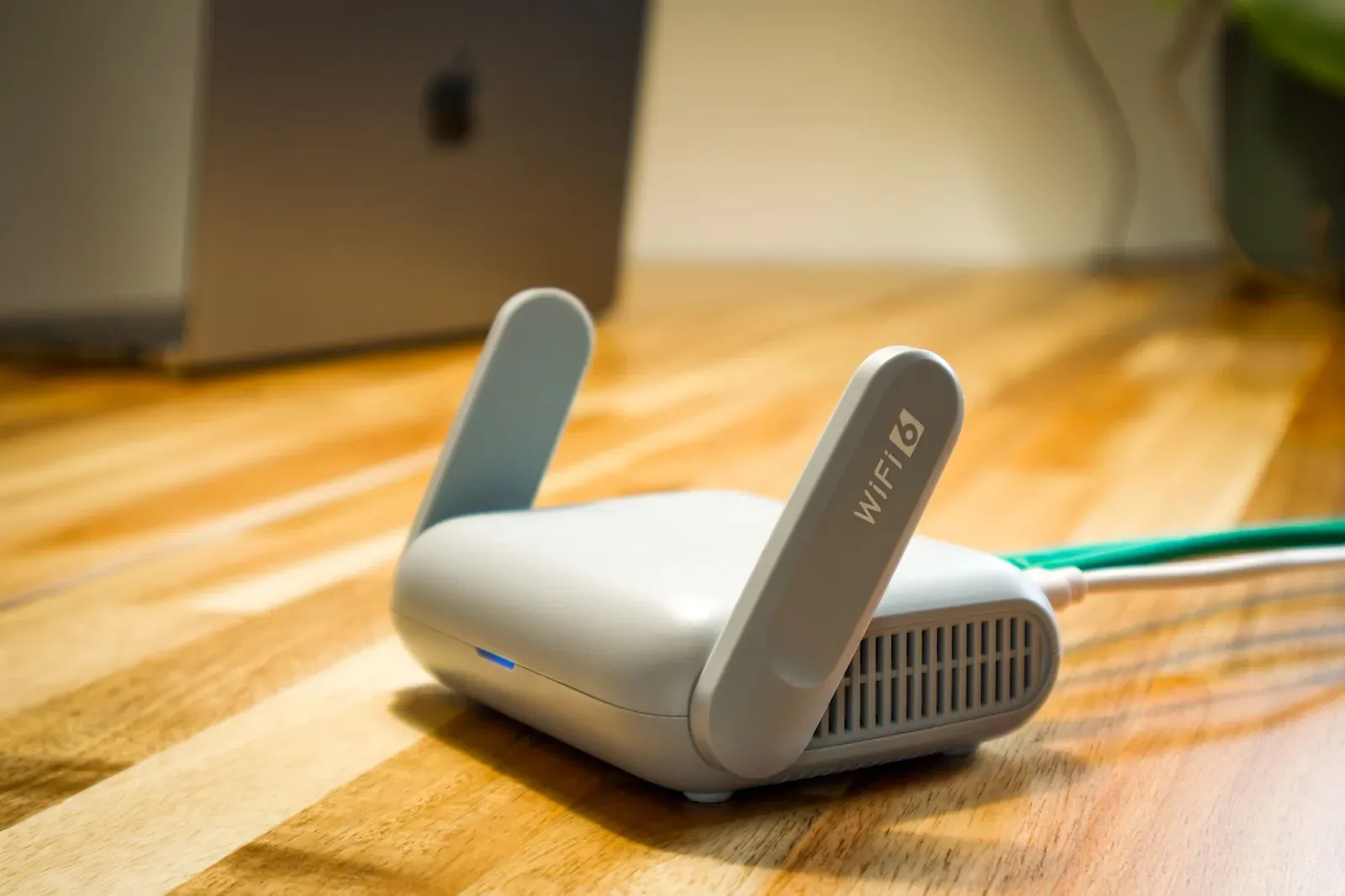
- Keep your router firmware current and change the default admin password — the router is the front door to everything behind it.
- Mind the 2.4 GHz requirement. Most smart devices use 2.4 GHz, which has longer range but is also where setup problems cluster.
For the network mechanics, see our guides on building a stable smart-home Wi-Fi network with a separate SSID and why 2.4 GHz vs 5 GHz matters. If devices keep dropping after you segment the network, our offline-device fix guide covers the usual causes.
Keep firmware and devices updated
Firmware updates are where manufacturers patch disclosed vulnerabilities. A device that hasn't been updated in a year is running known-bad code. Enable automatic updates where the platform offers it, and check manually for anything that controls a door, a camera, or mains power.
Smart locks and cameras: the highest-stakes devices
Locks and cameras deserve extra care because the consequences of compromise are physical and personal. A few platform-agnostic habits matter most:
- Locks: set a unique, non-obvious entry code; remove temporary codes after guests leave; and enable any auto-lock and tamper-alert features.
- Cameras: review where footage is stored (cloud vs. local), turn on encryption if offered, and disable features you don't use. Point cameras away from neighbors' property and private indoor spaces.
Hub vs. cloud: where your control lives
How your home is controlled affects your exposure. A local hub keeps automations running without the internet; a purely cloud-dependent setup is convenient but adds a remote attack surface and an outage dependency.
| Approach | Security trade-off | Best for |
|---|---|---|
| Local hub / Thread border router | Less cloud exposure; keeps working offline | Locks, lights, and core automations you can't afford to lose |
| Cloud-first platform | Convenient remote access, but a larger remote attack surface | Cameras and voice features that need cloud services anyway |
If you're weighing this choice, our guides on whether you still need a hub and the Thread border routers you may already own go deeper. An unstable hub is also a security issue — a controller that keeps dropping can leave locks unresponsive; see how to stabilize a disconnecting hub.
Frequently asked questions
What is the single most important smart-home security step?
Turning on two-factor authentication for your platform account. That account can unlock doors and view cameras, so protecting it blocks the most damaging form of remote access — and it takes two minutes.
Do I really need a separate Wi-Fi network for smart devices?
It's strongly recommended, not mandatory. Inexpensive IoT devices often stop getting updates, so isolating them limits how far a compromise can spread. A guest network with client isolation is the simplest way to get most of the benefit.
Are Matter and Thread devices more secure?
Matter requires per-device certificates and encrypted communication, which raises the baseline. Thread devices don't sit directly on your Wi-Fi, reducing exposure. Neither replaces good account and firmware hygiene, though — the standard secures the device, not your password.
Is it safe to keep a smart lock if the Wi-Fi goes down?
A well-designed smart lock still operates manually or by keypad/key during an outage, but you may lose remote control and notifications. Always keep a physical backup, and have mains-wired locks installed by a qualified electrician.