Echo Hub vs Nest Hub vs SmartThings Station Compared
If you want one device to run your smart home, the short version is this: pick the controller that matches the ecosystem you already use. The Amazon Echo Hub is a wall-mounted Alexa control panel built for people living in the Alexa app. The Google Nest Hub is a smart display that doubles as a Google Home controller and Thread border router. The Samsung SmartThings Station is a small hub-and-charger that leans on the SmartThings app and adds a Thread/Zigbee radio. They overlap on Matter, but they are not interchangeable, and choosing the wrong one usually means fighting your own devices later.
What each device actually is
These three products get grouped together because they all describe themselves as smart-home "hubs" or "controllers," but they solve the problem differently.
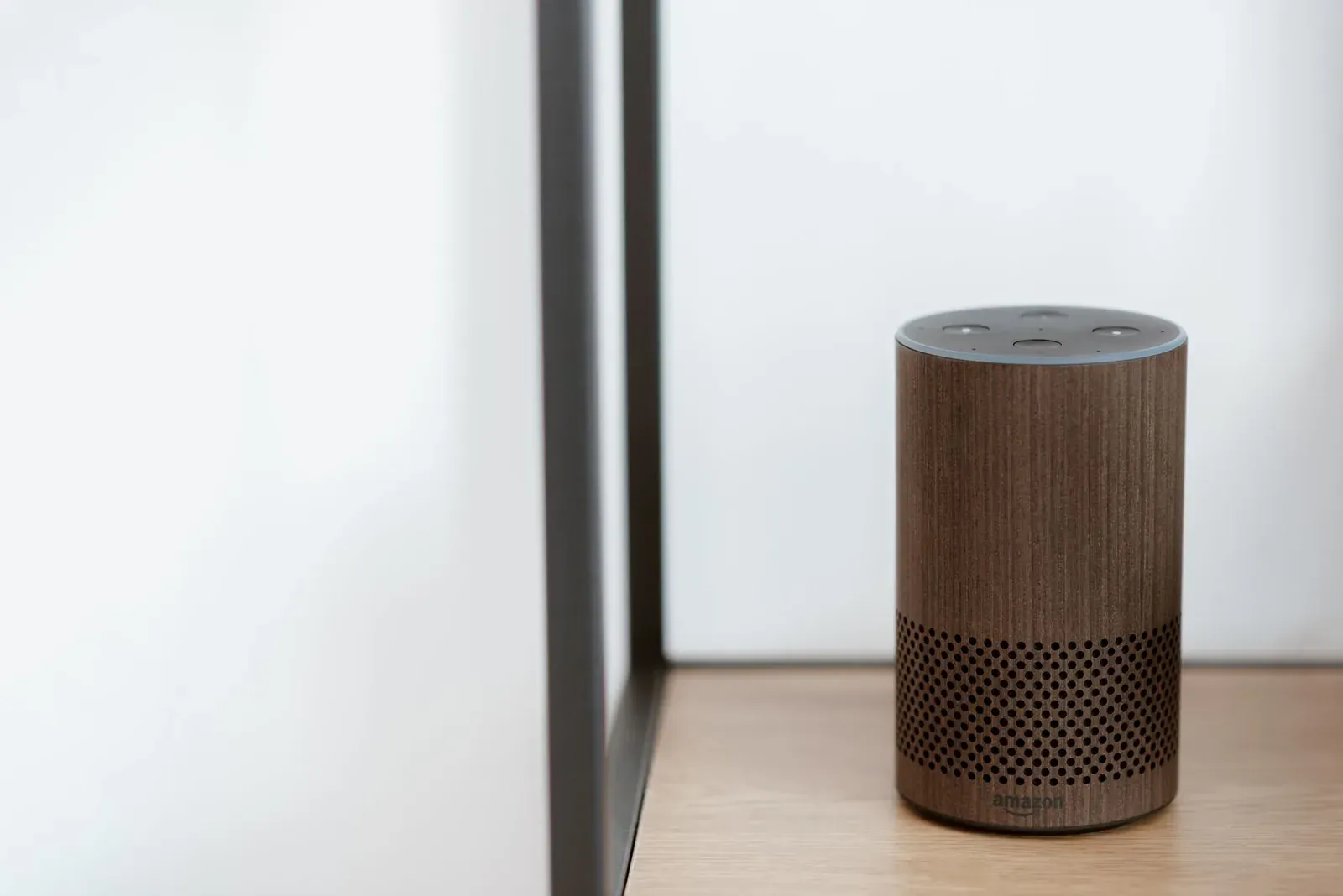
- Echo Hub is a dedicated 8-inch touch control panel, not a full smart speaker or media display. It is designed to mount on a wall and give you a dashboard of your Alexa-connected lights, locks, cameras, and routines. It acts as a Matter controller and, per Amazon's documentation, works as a Thread border router and connectivity hub for compatible devices.
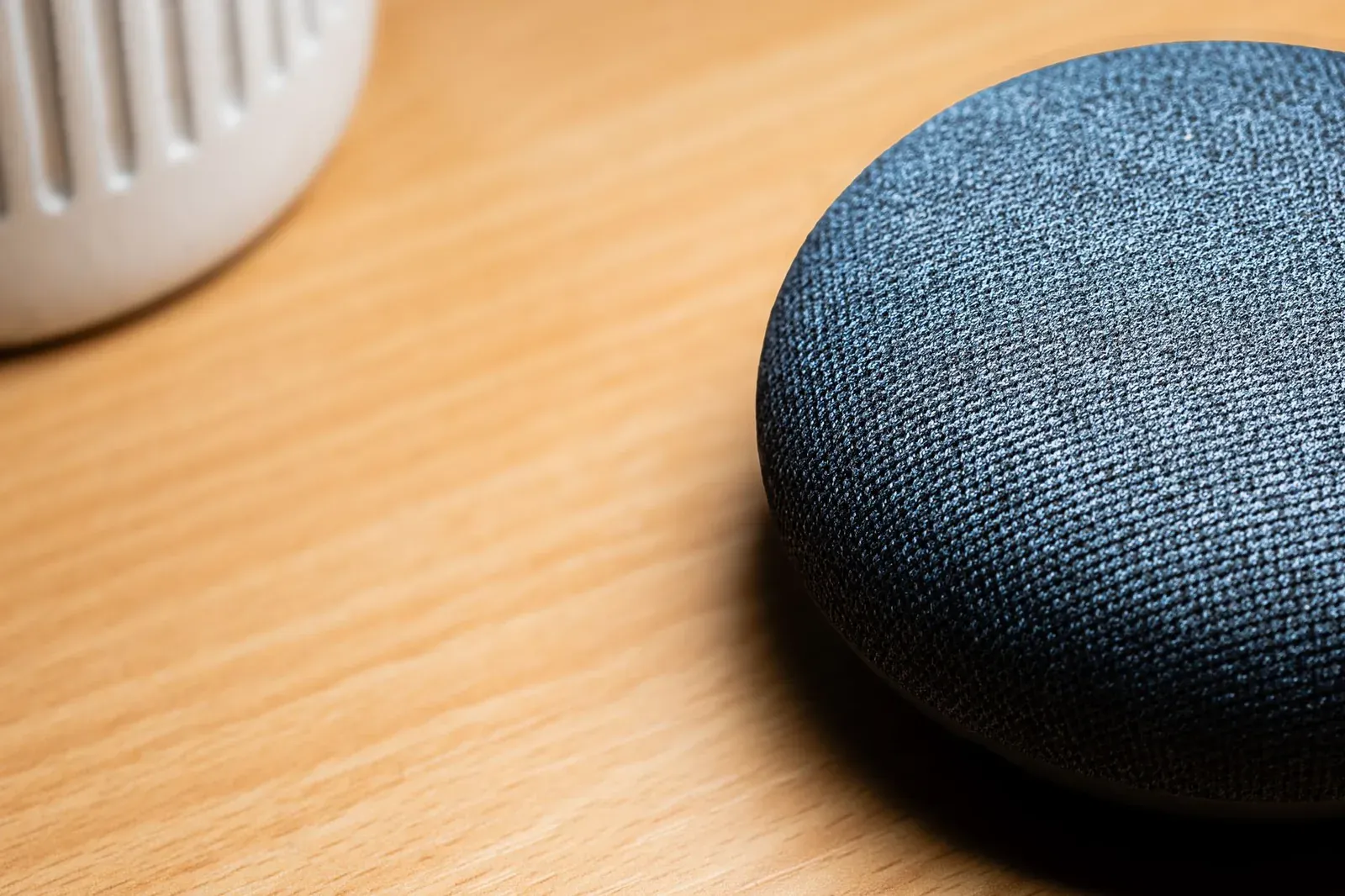
- Nest Hub (the 2nd-gen smart display) is a countertop screen running Google Assistant. It shows photos, plays media, and controls Google Home devices. It also functions as a Thread border router, so it can bring Thread-based Matter devices onto your network.
- SmartThings Station is the most "hub-like" of the three in the traditional sense: a small puck that also wirelessly charges a phone. It runs as a SmartThings hub with a built-in Zigbee radio and Thread support, so it can talk directly to older Zigbee sensors as well as newer Matter-over-Thread devices.
Comparison table
| Feature | Echo Hub | Nest Hub (2nd gen) | SmartThings Station |
|---|---|---|---|
| Primary app / assistant | Alexa app / Alexa | Google Home / Google Assistant | SmartThings app / Bixby (Alexa & Google linkable) |
| Form factor | Wall-mounted control panel | Countertop smart display | Compact puck + wireless charger |
| Built-in screen | Yes (touch dashboard) | Yes (media + control) | No |
| Matter controller | Yes | Yes | Yes |
| Thread border router | Yes | Yes | Yes |
| Zigbee radio | No | No | Yes |
| Best-fit household | Alexa users wanting a wall panel | Google users wanting a display | Samsung / SmartThings + Zigbee users |
Specifications and included radios change between hardware revisions, so confirm the current spec on the manufacturer's product page before buying — especially the Thread and Zigbee details, which vary by model and firmware.
The ecosystem question is the real decision
Because all three are Matter controllers, it is tempting to think you can mix and match freely. In practice, the controller you choose decides which app holds your routines, automations, voice commands, and device names. Matter lets a device be shared across ecosystems, but each platform still stores its own automations separately. If your lights are automated in Alexa Routines, moving to a Nest Hub does not carry those routines over — you would rebuild them in Google Home.
So the honest starting point is not "which hub is best," but "which app do you already live in?" If you are unsure whether you even need a dedicated controller versus letting a phone app and a Thread border router do the work, our guide on whether you still need a smart-home hub walks through that trade-off.
- Best for Alexa homes and wall-mounted control panels
- No media playback focus — it is a controller, not a speaker/display for entertainment
- Best for Google Assistant users who also want a countertop screen
- Doubles as a photo frame and media display, not just control
Radios matter more than you think
The biggest practical difference is what each hub can talk to directly. Many popular sensors, buttons, and older bulbs still use Zigbee. Only the SmartThings Station has a Zigbee radio, so it can onboard those devices without a separate bridge. Echo Hub and Nest Hub focus on Wi-Fi and Thread (via Matter), which is fine for newer gear but leaves legacy Zigbee devices needing their own hub.
Thread is where all three converge. Each can act as a Thread border router, letting low-power Matter devices reach your network reliably. That is genuinely useful — Thread devices mesh together and tend to be more stable than Wi-Fi bulbs and plugs. If you have battery sensors dropping off, a nearby border router often helps.
Zigbee reliability is its own topic; if you already run Zigbee gear and see it drop, our piece on Zigbee devices going unavailable covers the usual causes. And whichever hub you pick, a stable network underneath it matters — see improving Wi-Fi for smart-home devices.
Which should you choose?
Match the hub to your existing life, not to a feature checklist.
- Choose the Echo Hub if your voice assistant is already Alexa and you want a fixed, wall-mounted dashboard by the door to arm cameras, lock doors, and trigger routines with a tap. It is the purest "control panel," not an entertainment device.
- Choose the Nest Hub if you use Google Assistant and want a screen that earns its counter space — photos, timers, video, plus Google Home control. It is the most well-rounded everyday device if you are Google-first.
- Choose the SmartThings Station if you own Samsung devices, prefer the SmartThings app, or need a Zigbee radio in one small unit. It is also the cheapest way into a real hub with a Zigbee + Thread combo, and the phone-charging trick is a genuine bonus.
If you are still adding devices and hit pairing trouble, that is normal across all three platforms — our fixes for a Matter device that won't pair apply regardless of which hub you land on.
Frequently asked questions
Can I use one hub to control devices from all three ecosystems?
Partly. Matter lets a single device be shared across multiple platforms at once, so a Matter light could appear in Alexa, Google Home, and SmartThings simultaneously. But your automations and routines stay inside whichever app created them — there is no universal automation layer, so you will still pick a "home" app.
Do any of these replace a dedicated Zigbee or Z-Wave hub?
Only the SmartThings Station handles Zigbee directly. None of the three includes a Z-Wave radio, so Z-Wave locks and sensors still need their own hub or bridge. Echo Hub and Nest Hub cover Wi-Fi and Thread/Matter devices but not Zigbee.
Why does my Matter device keep going offline after setup?
Usually it is a network or border-router issue, not the hub itself. Router changes, weak Wi-Fi, or too few Thread routers are common culprits. See our guides on Matter devices going offline after a router change and a hub that keeps disconnecting.
Is a wall-mounted control panel better than a smart display?
It depends on the job. A control panel like the Echo Hub is optimized for quick, glanceable control in a fixed spot. A smart display like the Nest Hub adds media and video calling but is meant to sit on a counter. Neither is objectively better — pick by where and how you will use it.