Matter Device Offline After a Router Change? How to Fix It
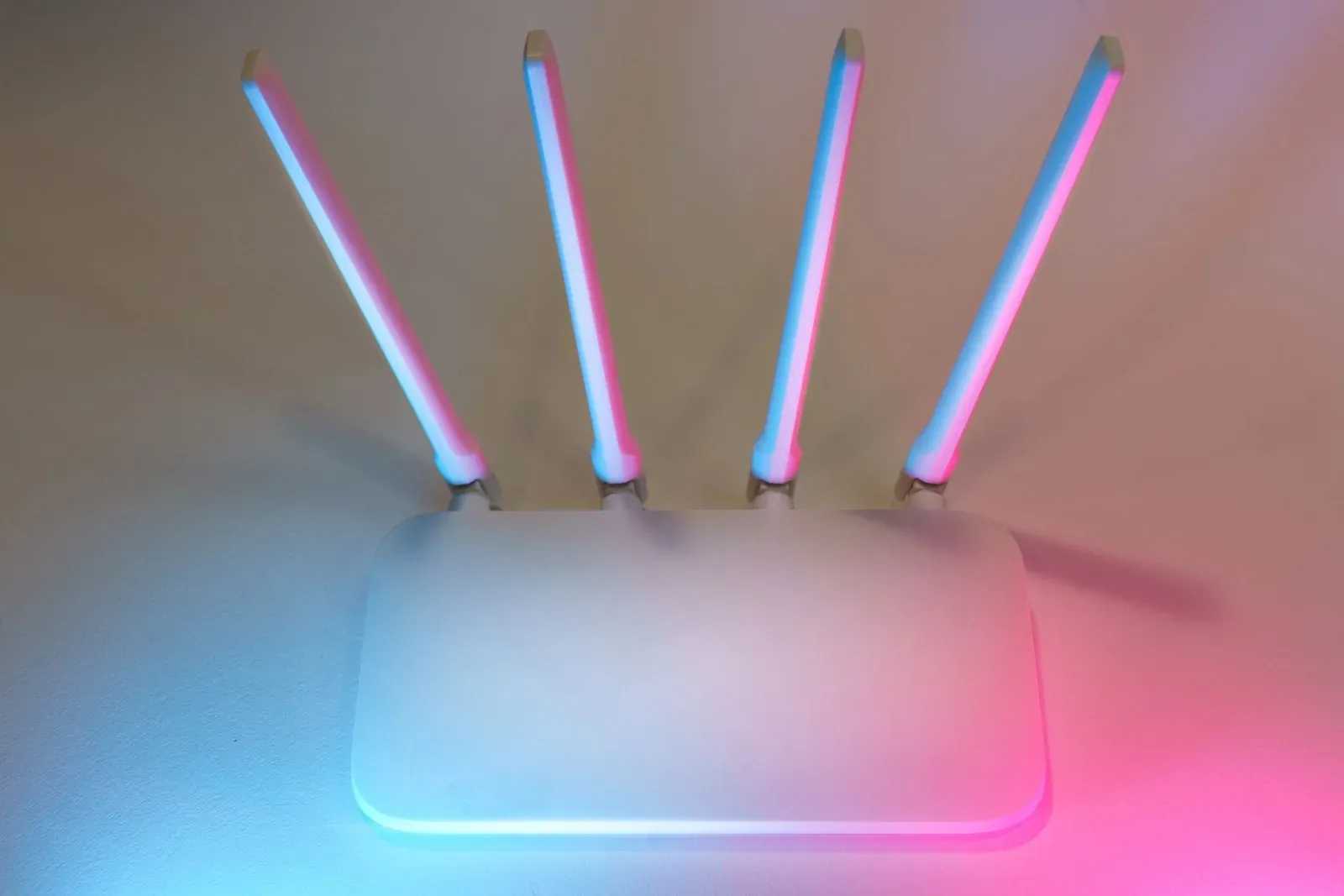
When you swap routers, rename your Wi-Fi, or change its password, a Matter device that was working perfectly can suddenly show as offline. The reason is simple: that device stored the exact name and password of your old network, and it has no idea the new one exists. It keeps trying to reach a Wi-Fi that's no longer there. The fix is usually to give the device the new network credentials, either by reconnecting it in your controller app or, if that fails, by factory-resetting and re-adding it. Thread-based Matter devices behave a little differently because they don't join Wi-Fi directly, but a router change can still knock them offline by disrupting their border router. Below is exactly how to diagnose and fix both cases.
First, figure out what kind of Matter device you have
Matter is the application layer—the common language—but a Matter device reaches your home in one of two ways underneath it, and the difference decides your fix.
- Matter over Wi-Fi: The device joins your 2.4 GHz Wi-Fi directly, like a traditional smart plug or bulb. It stores your network name (SSID) and password. Change either one and it's stranded.
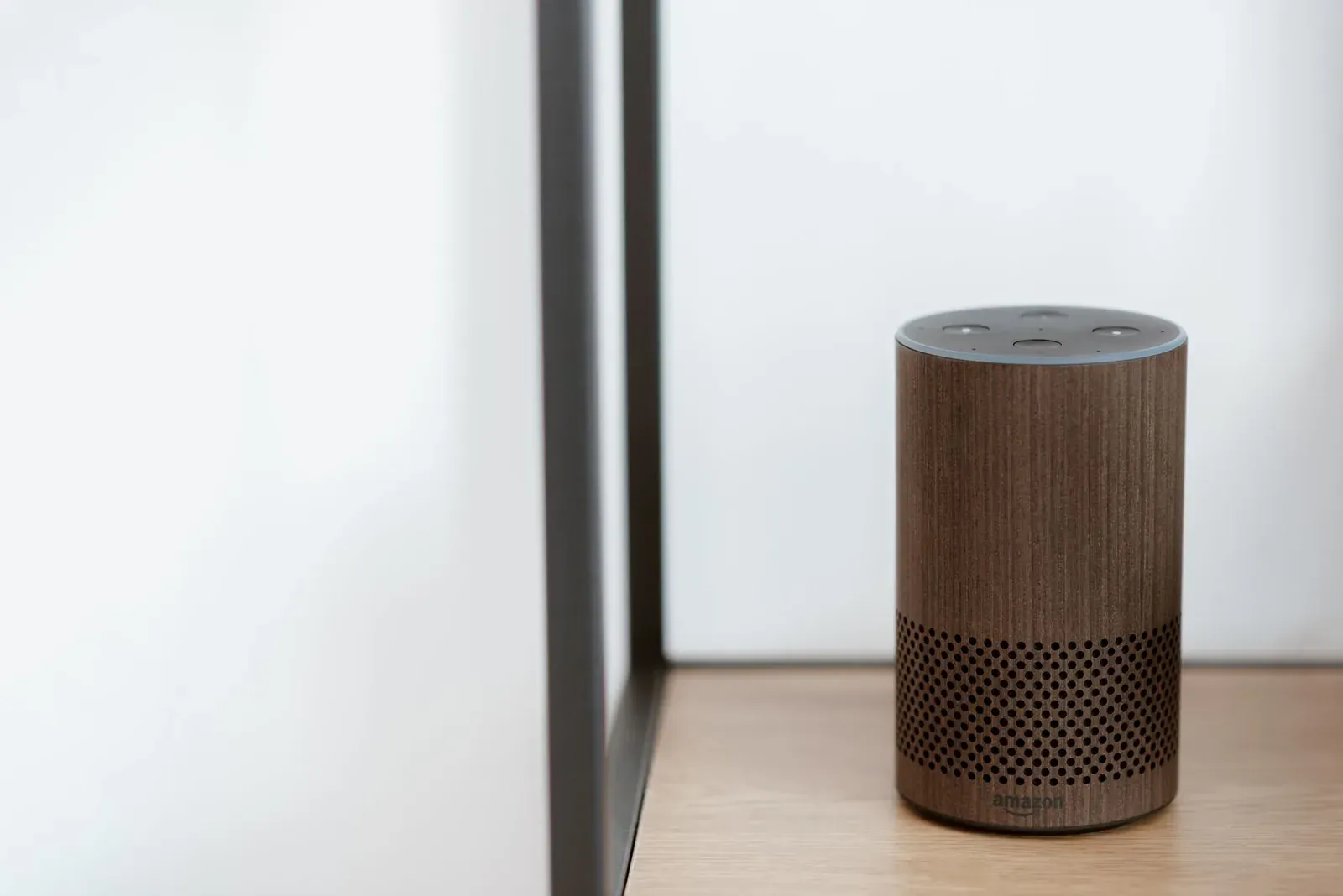
- Matter over Thread: The device joins a low-power Thread mesh and reaches the internet through a Thread border router—often built into a smart speaker, hub, or display (for example, certain Echo, Nest, or Apple HomePod and Apple TV models). The device itself never touched your Wi-Fi password, but if the border router loses its connection during a router swap, everything behind it goes dark.
If you're not sure which you have, check the product page or setup guide. Devices advertised as needing no separate hub and joining Wi-Fi directly are Wi-Fi; devices that required a compatible hub or speaker to set up are usually Thread.
The single best preventative move: keep your network name and password
Before you do anything else, know this—if you're switching to a new router and you set the new network's SSID and password to match the old one exactly, most Wi-Fi Matter devices will simply reconnect on their own. They're looking for a specific network name and key; give them the same one and they can't tell the difference.
This is the cleanest path and avoids re-commissioning dozens of devices one by one. If you've already changed the name or password, you can often change it back temporarily, let everything reconnect, and only then decide whether the rename was worth the trouble. For a deeper look at structuring your network for smart-home stability, see our guide on smart-home Wi-Fi channels, bands, and a stable network.
Step-by-step: reconnect a Wi-Fi Matter device to a new network
If the names don't match—or you genuinely changed networks—work through these in order. Each step is less disruptive than the one after it, so stop as soon as the device comes back.
- 1Confirm the device has power and the new 2.4 GHz network is broadcasting
- 2Open your controller app and look for a “reconnect” or Wi-Fi update option
- 3If none exists, remove the device and re-add it with the new credentials
- 4As a last resort, factory-reset the device and re-commission it from scratch
- Confirm the basics. Make sure the device has power and that your new router is broadcasting a 2.4 GHz network. Many Matter Wi-Fi devices can't see 5 GHz or 6 GHz at all, and a combined-band network that only hands out 5 GHz during setup will block them. Our guide on diagnosing Wi-Fi interference on 2.4 GHz covers band issues in detail.
- Check the controller app for a reconnect option. In the Apple Home, Google Home, Amazon Alexa, or SmartThings app—whichever you commissioned the device with—open the device's settings. Some manufacturers expose a "change Wi-Fi network" or "reconnect" flow that pushes new credentials without a full reset. Availability varies by brand, so look before you reset.
- Remove and re-add the device. If there's no reconnect flow, delete the device from your controller app and add it again as a new Matter device. You'll scan its Matter code (the 11-digit numeric code or QR) and the app will hand over the new Wi-Fi details. Keep that code handy—it's usually on the device, its packaging, or in the original setup guide.
- Factory-reset as a last resort. When the app won't remove or re-add the device cleanly, do a hardware factory reset (the button sequence is in the manufacturer's guide), then commission it fresh. This clears the stale credential entirely.
Step-by-step: fix a Thread Matter device that's offline
For Thread devices, the device's own credentials are rarely the problem—the border router is. Focus there.
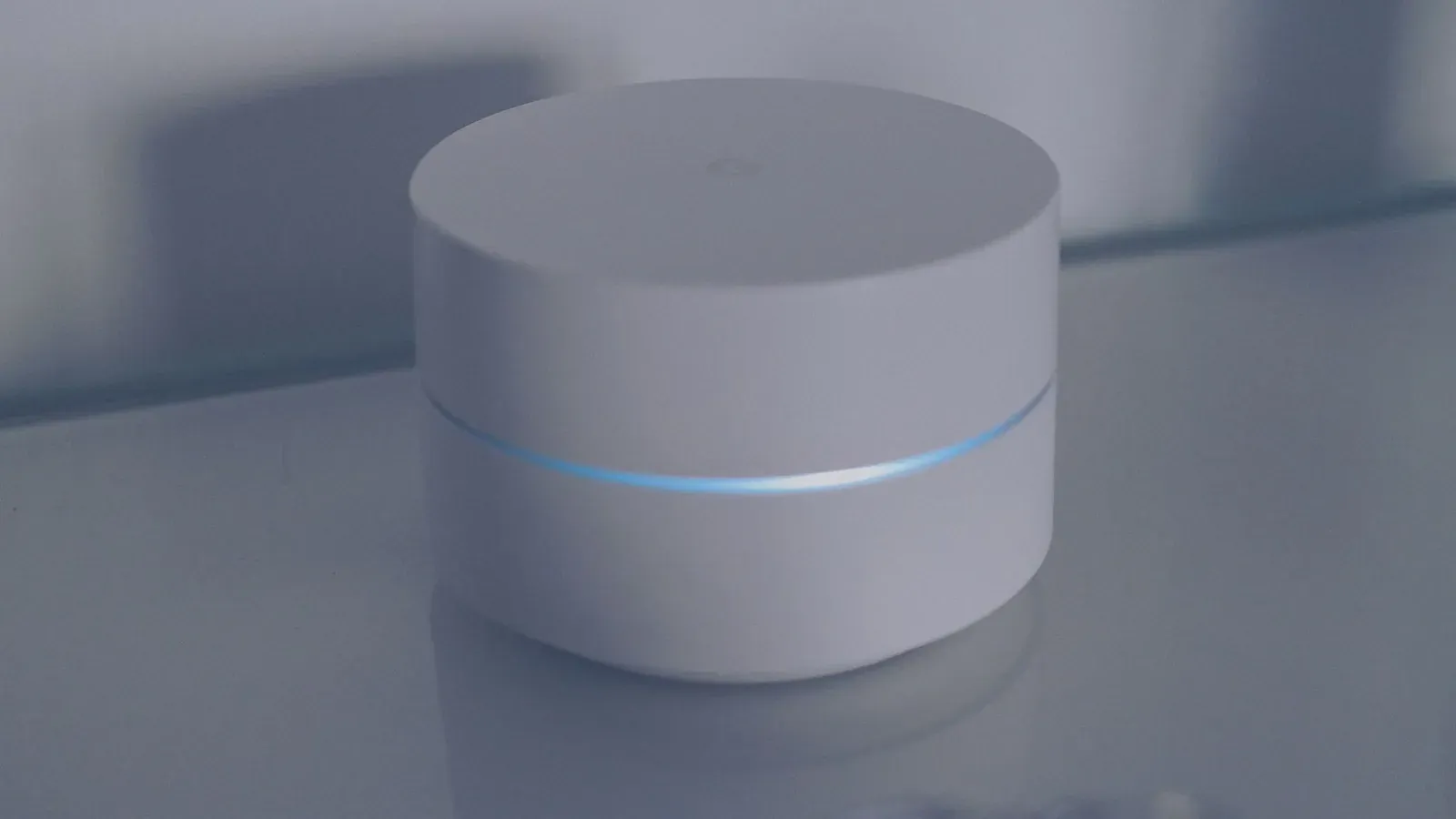
- Check the border router's connection. The hub, speaker, or display acting as your Thread border router needs a working internet connection. After a router swap it may have lost Wi-Fi or pulled a new IP address. Confirm it's online in its own app first.
- Power-cycle the border router. Unplug it for about 30 seconds and plug it back in so it rejoins the new network and rebuilds the Thread mesh. If you have several border routers, restart the one nearest the offline device.
- Give it time to re-form the mesh. Thread devices can take several minutes to re-establish routes after their border router restarts. Wait before assuming a device is truly dead.
- Re-commission only if needed. If a Thread device still won't appear after the border router is healthy, remove and re-add it like a Wi-Fi device. This is uncommon—usually fixing the border router is enough.
If your hub itself is the thing that keeps dropping, our guide on stabilizing a smart-home hub that keeps disconnecting goes deeper.
Wi-Fi vs. Thread: how a router change affects each
| Factor | Matter over Wi-Fi | Matter over Thread |
|---|---|---|
| What stores credentials | The device itself | The Thread border router |
| What breaks on a router change | The device's saved SSID/password | The border router's connection |
| Fastest fix | Match old SSID/password, or re-add | Reconnect and restart the border router |
| Full reset usually needed? | Sometimes | Rarely |
Reduce the chance it happens again
A few habits keep router and Wi-Fi changes from cascading into offline devices:
- Reuse your SSID and password whenever you replace hardware. It's the difference between zero re-setup and an evening of re-commissioning.
- Assign fixed addresses to hubs and border routers so they're predictable after a reboot—see our walkthrough on DHCP reservations and static IPs for smart-home devices.
- Keep a record of Matter codes. Photograph each device's setup code before you stick it on a wall or ceiling. Re-commissioning is painless when you have the code and impossible when you don't.
- Maintain a strong 2.4 GHz signal where your devices live. Our guide on improving Wi-Fi for smart-home devices covers placement and coverage.
Frequently asked questions
Will a Matter device reconnect automatically after I change my router?
Only if the new network's name and password match the old ones exactly. A Wi-Fi Matter device stores those specific credentials and has no way to discover a renamed network on its own, so a changed SSID or password leaves it offline until you re-add it.
Do I have to factory-reset every device after a Wi-Fi change?
No—try the gentlest options first. If you matched the old SSID and password, most reconnect with no action. If not, check your controller app for a reconnect option, then a remove-and-re-add. A full factory reset is only the last resort because it wipes the device's automations and room assignments.
My Thread device is offline but I never changed its settings. Why?
Because it depends on a Thread border router—often a hub, speaker, or display—to reach the internet. If that border router lost connection or changed IP during your router swap, every Thread device behind it goes offline even though their own settings are untouched. Fix the border router first.
Could this be a power issue instead of a network one?
It can look identical. If a device dropped after an outage rather than a deliberate Wi-Fi change, see our guide on smart devices offline after a power outage, which covers reconnection quirks specific to power loss.