Thread Device Keeps Going Unavailable? Diagnose & Fix
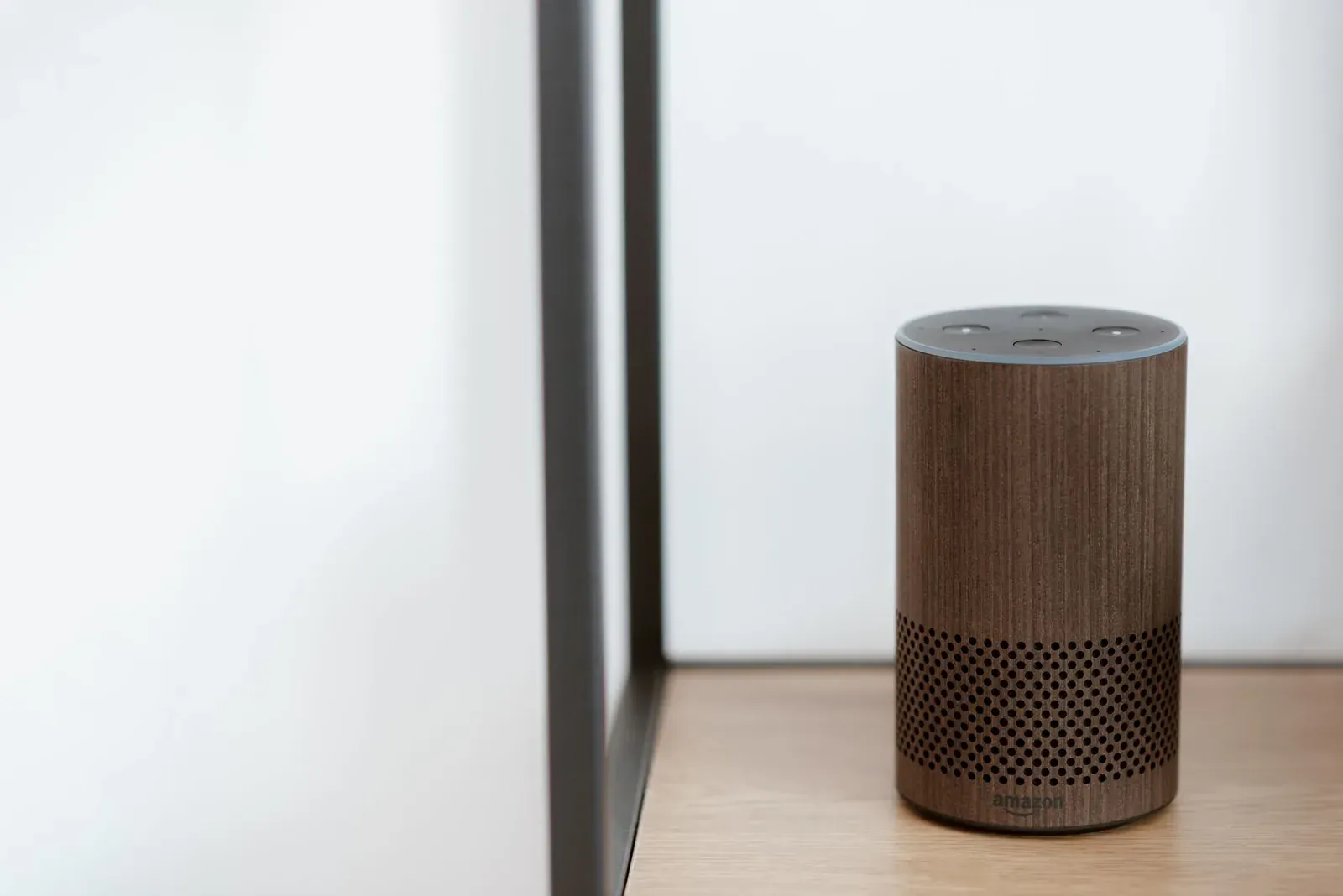
If a Thread device keeps going unavailable, the cause is almost always the network path between the device and your controller, not the device itself. Thread runs a low-power wireless mesh that reaches your smart-home platform through a Thread Border Router (a HomePod, Apple TV, newer Echo, Nest Hub, or SmartThings hub). When a device drops out and comes back, it usually means a weak mesh link, a border router that lost its place on the network, or an IPv6 routing problem between the border router and your controller. The good news: most cases resolve by adding a mains-powered Thread router near the device and stabilizing the border router's connection to your router.
Work through the steps below in order. Each one narrows down the layer that's actually failing, so you're not resetting a perfectly good sensor when the real problem is upstream.
How Thread actually works (and why devices "disappear")
Understanding the layers makes the fix obvious. A Thread network has three roles that matter here:
- Router devices — mains-powered Thread products (many smart plugs, bulbs, and border routers) that stay awake and relay traffic for others.
- End devices — battery-powered sensors and locks that sleep to save power and rely on a nearby router to reach the mesh.
- Border Router — the bridge that connects the Thread mesh to your Wi-Fi/Ethernet LAN and, through it, to your platform's cloud or local controller.
A device shows as "unavailable" when the controller can no longer reach it over IPv6. That can happen because the device lost its mesh route, because the border router lost contact with the controller, or because your home router stopped passing the local IPv6/multicast traffic Thread depends on. Each has a different fix.
Step-by-step: diagnose and fix a flaky Thread device
- 1Confirm the border router is online and reachable
- 2Add a mains-powered Thread router near the flaky device
- 3Rule out duplicate or competing Thread networks
- 4Fix IPv6 and multicast on your home router
- 5Re-add the device only as a last resort
1. Confirm the border router is healthy first
Before touching the device, check its bridge to the network. In the Apple Home, Google Home, Alexa, or SmartThings app, verify the hub/speaker acting as your Thread Border Router is online. Then:
- Make sure the border router itself hasn't dropped off Wi-Fi. If it's on Wi-Fi, a weak signal there cascades into every Thread device behind it.
- Prefer wiring the border router to Ethernet if the model supports it — a stable backhaul removes a whole category of intermittent failures.
- Power-cycle the border router once and give it a few minutes to re-establish the mesh and its IPv6 routes.
If your border router is a hub that keeps dropping on its own, that's a separate root cause — see our guide on stabilizing a hub that keeps disconnecting.
2. Add a mains-powered Thread router near the device
This single change fixes the majority of "keeps going unavailable" complaints on community forums. Battery-powered Thread devices are end devices — they don't extend the mesh, and if the only router in range is a distant border router, their link is fragile. Placing an always-on Thread router (a Thread-capable smart plug or bulb, or a second border router) within a room or two of the device gives it a strong, reliable next hop.
The mesh logic here mirrors Zigbee closely. If you've dealt with that before, the same instincts apply — see fixing an unstable Zigbee mesh for the density-and-distance reasoning.
3. Rule out duplicate or competing Thread networks
A common hidden cause is having several Thread Border Routers that never merged into one network. Apple, Google, and SmartThings ecosystems can share a Thread network when configured correctly, but a device commissioned onto one network can't be reached by a border router serving a different one. Symptoms include a device that works only when a specific speaker is powered on.
- Where your platform shows Thread network details, check whether multiple networks exist and consolidate onto one where the app allows it.
- Avoid unplugging and relocating border routers repeatedly — churn forces the mesh to keep re-forming.
- If you recently added a new hub or speaker, treat it as a suspect and test with it powered off.
4. Fix IPv6 and multicast on your home router
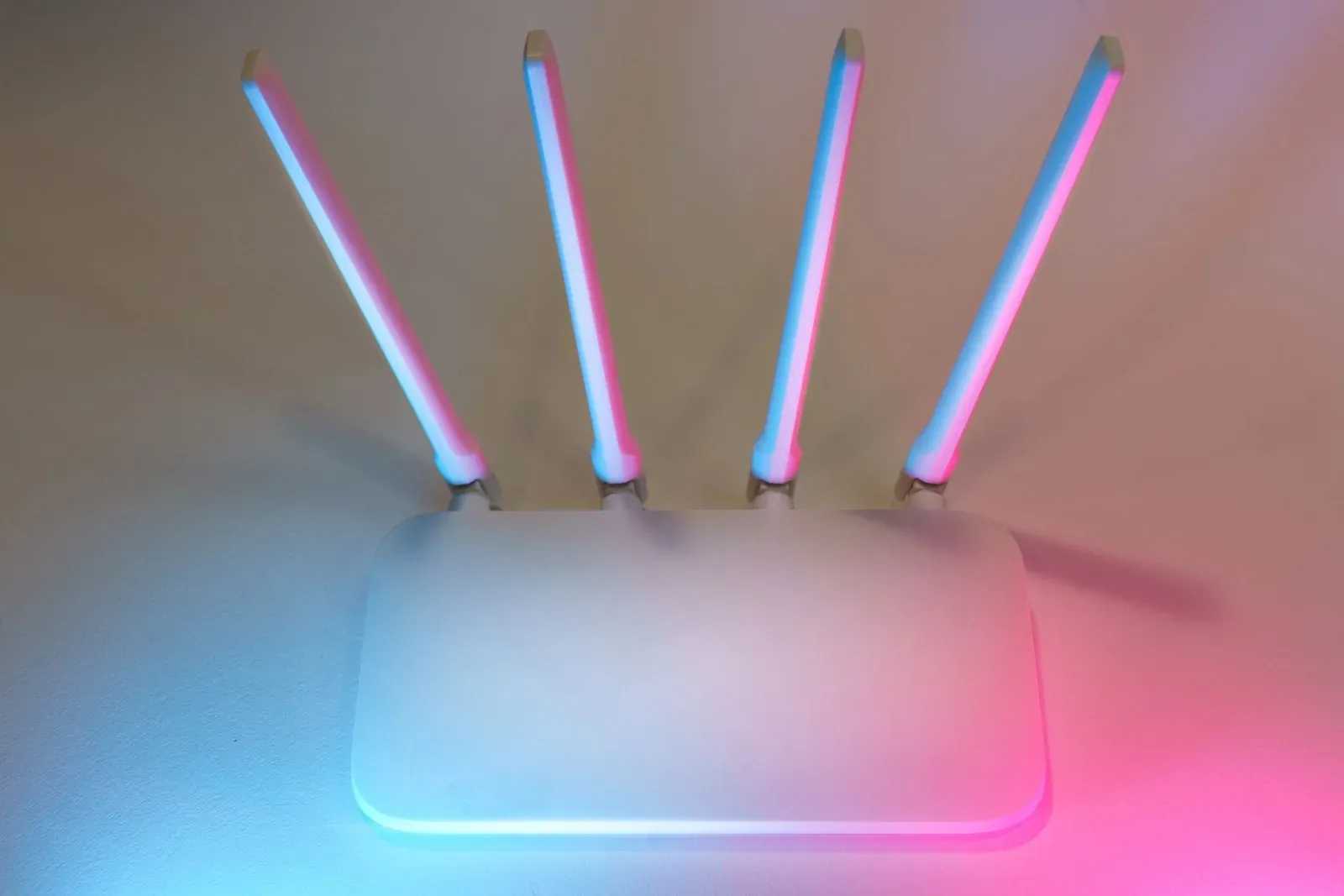
Thread reaches your controller over IPv6, and devices are discovered using mDNS/multicast on your LAN. Routers that disable IPv6, block multicast, or aggressively isolate clients will make Thread devices appear and vanish unpredictably — even though the mesh itself is fine.
- Ensure IPv6 is enabled on your router (many Thread setups depend on it for local routing).
- Disable "AP/client isolation" or "guest" restrictions on the network your border router and controller share.
- Keep the border router and the controlling app's device on the same LAN/subnet. Segmenting them across VLANs can break local discovery unless you deliberately allow mDNS across them.
If you're planning that kind of segmentation, our walkthrough on putting smart-home devices on their own IoT VLAN covers the mDNS caveats. Router changes are a frequent trigger too — a swapped router that drops IPv6 or multicast is a classic culprit, as covered in fixing a Matter device that went offline after a router change.
5. Re-add the device only as a last resort
Removing and re-commissioning a Thread device is disruptive and should come last, because it rarely fixes a network-layer problem — it just re-attaches the device to the same flawed path. Do it only after the border router, mesh density, and IPv6/multicast checks are clean. If re-pairing itself fails, that's a different problem; see why a Matter device won't pair, since most Thread products are commissioned through Matter.
Quick reference: symptom to likely cause
| Symptom | Most likely cause | First fix to try |
|---|---|---|
| One battery device drops, others fine | Weak mesh path / no nearby router | Add a mains-powered Thread router nearby |
| Many devices drop together | Border router lost network connection | Wire border router to Ethernet; power-cycle |
| Device works only when one speaker is on | Duplicate/competing Thread networks | Consolidate onto one Thread network |
| All Thread devices flaky after router swap | IPv6 or multicast disabled/blocked | Enable IPv6; disable client isolation |
What's different about Thread vs. Zigbee troubleshooting
Thread and Zigbee are both low-power meshes, so the density-and-distance instincts carry over. The key difference is that Thread is IP-based, so it also depends on your router's IPv6 and multicast behavior in a way Zigbee doesn't. If your instincts come from Zigbee, add "check IPv6/mDNS" to your usual mesh checklist. Our Zigbee unavailability guide covers the shared mesh fundamentals.
Frequently asked questions
Do I need a Thread Border Router for every device?
No — you need at least one border router, and it serves the whole mesh. What you often need more of are mains-powered Thread router devices to relay traffic for battery-powered end devices. One border router with a sparse mesh is a common reason devices keep going unavailable.
Can I mix border routers from Apple, Google, and SmartThings?
They can coexist and, when properly configured, share a single Thread network so devices roam between them. Problems arise when they form separate networks instead of merging. Check your platform's Thread network view and consolidate where the app allows it, rather than running several isolated networks side by side.
Why did my Thread devices break after changing routers?
New routers often ship with IPv6 off, multicast filtering on, or client isolation enabled — all of which quietly break Thread's local discovery and routing. Re-enable IPv6, allow mDNS/multicast, and keep the border router on the same subnet as your controller. This is the same class of failure that takes Matter devices offline after a router swap.
Is Wi-Fi interference to blame?
It can contribute. Thread uses 2.4 GHz, so a congested 2.4 GHz Wi-Fi environment can degrade nearby links. Improving your Wi-Fi setup — channel choice and band steering — helps indirectly. See improving Wi-Fi for smart-home devices for the practical steps.