How to Put Smart-Home Devices on Their Own IoT VLAN
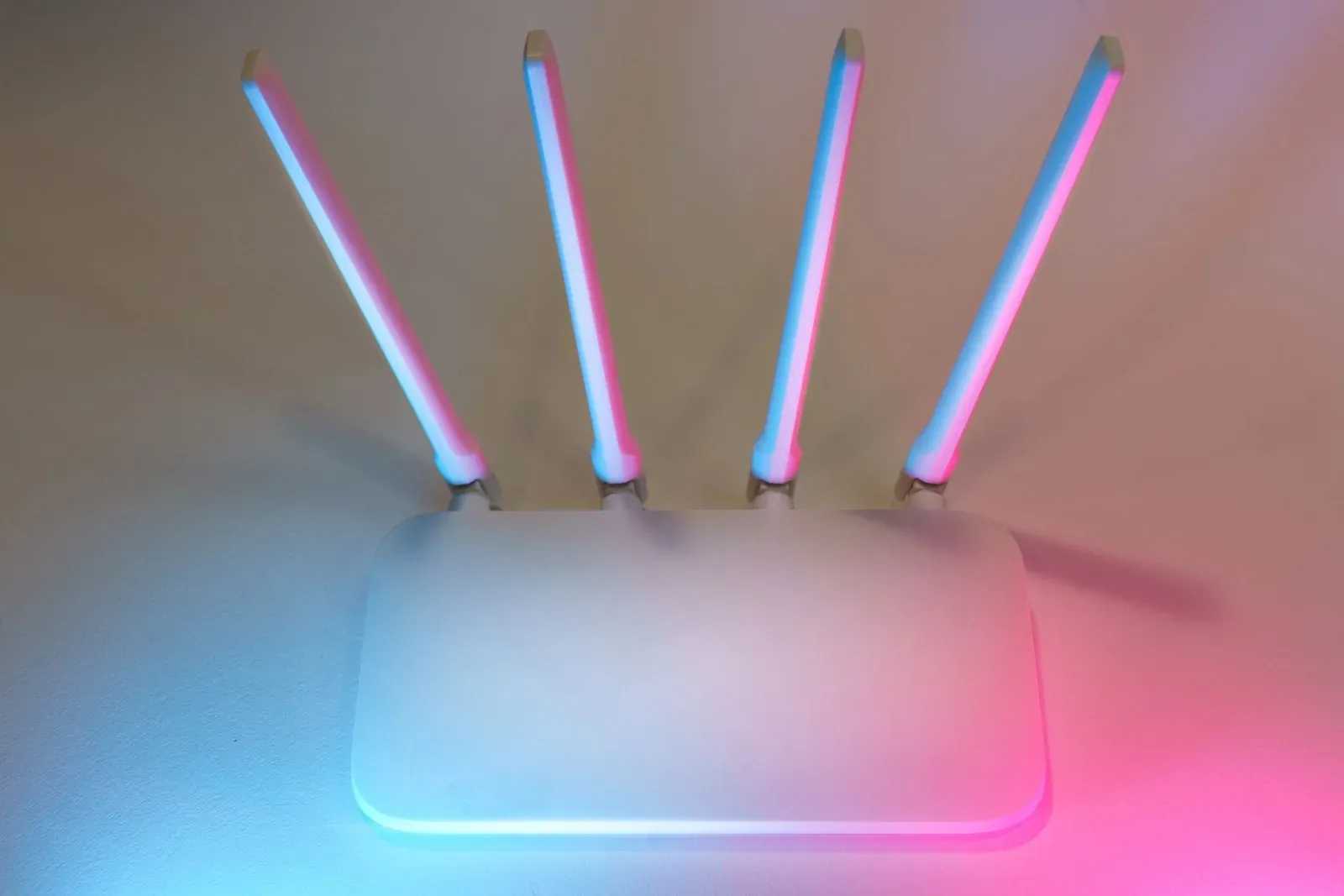
To put your smart-home devices on their own network, create a separate Wi-Fi network or VLAN (a "virtual LAN") on your router, move your IoT gadgets onto it, and then allow the specific traffic your phone and voice assistants need to reach that network. The goal is to keep chatty, rarely-updated devices — plugs, bulbs, cameras, doorbells — walled off from your laptops, phones, and file storage, so a compromised gadget can't easily reach your personal data. The catch: total isolation breaks discovery and casting, so the real work is selective separation, not a hard wall.
Why isolate smart-home devices at all?
Most IoT devices run stripped-down firmware that gets patched slowly, if ever. They phone home to cloud services constantly and often ship with weak defaults. Putting them on their own segment limits the "blast radius": if one device is compromised, it can talk to the internet and to other IoT devices, but not to your banking laptop or network-attached storage. This is a core recommendation in mainstream smart-home security best practices, and it's endorsed by U.S. agencies like CISA for exactly this reason.
Two ways to separate your devices
You have two realistic options depending on your gear. A separate SSID (guest network) is simpler and works on almost any modern router. A dedicated VLAN gives you firewall-level control but requires a router or system that supports VLANs and inter-VLAN rules.
- Works on most consumer routers with a few taps
- Client isolation is on/off, less granular
- Easiest to keep casting and Matter working
- Firewall rules control exactly what crosses segments
- Needs a VLAN-capable router, APs, and switches
- Stronger separation, but more setup and upkeep
If you're shopping for hardware that can do this cleanly, our guide to the best Wi-Fi router for a smart home covers which features to look for. If your devices already drop off frequently, fix that first using how to improve Wi-Fi for smart home devices before adding a network boundary on top of an unstable signal.
Step-by-step: set up an IoT network
- 1Create the IoT SSID or VLAN on your router
- 2Enable the right isolation setting
- 3Move devices over one at a time
- 4Allow mDNS and control traffic to cross
- 5Re-pair Matter and re-add voice assistants
- Create the segment. In your router's admin app or web interface, add a new Wi-Fi network (many routers label this "Guest network") or a new VLAN with its own SSID. Give it a distinct name like Home-IoT and a strong, unique password. Use the 2.4 GHz band or a combined SSID — many plugs and bulbs are 2.4 GHz only and won't see a 5 GHz-only network.
- Set the isolation level. On a guest network, look for a "client isolation" or "allow devices to see each other" toggle. Counterintuitively, you often want intra-network communication on so your hub and its devices can talk, while the guest network as a whole stays walled off from your main LAN.
- Move devices over. Re-connect each smart device to the new SSID. Most Wi-Fi devices need to be reset or re-added in their app to switch networks — this is the same friction you hit in a router change. Do it in small batches so you can spot anything that misbehaves.
- Allow discovery traffic to cross. This is the step people skip. Discovery protocols like mDNS (Bonjour) don't cross network boundaries by default. Enable mDNS reflection/repeater (sometimes called "Bonjour forwarding" or "IGMP snooping/proxy") so your phone on the main network can still find casting targets and Matter devices on the IoT segment.
- Re-pair and reconnect. Add Matter devices again in the Alexa, Google Home, or SmartThings app, and make sure your voice hubs sit where they can reach the IoT segment.
What breaks — and how to avoid it
Isolation is where most people's automations quietly stop working. Watch for these:
- Casting and AirPlay: Chromecast, Google Cast, and AirPlay rely on mDNS. Without cross-segment discovery, your phone won't see the speaker or TV even though both have internet.
- Matter over Wi-Fi: Matter controllers discover devices on the local network. Put the controller and device where they can reach each other, or your device may get stuck on "Connecting".
- Hubs and bridges: A Zigbee or Z-Wave hub only needs the network for cloud and app access, but if it's isolated from your phone you'll lose local control. Unstable placement can also mimic the symptoms in our hub keeps disconnecting guide.
Requirements at a glance
Frequently asked questions
Will putting devices on a separate network break Matter or Thread?
Not if you allow local discovery to cross. Thread devices talk over their own low-power mesh via a border router, so what matters is that the border router and your controller can reach each other. Matter-over-Wi-Fi devices need mDNS to cross between segments — enable mDNS reflection and both usually work fine.
Is a guest network as good as a real VLAN?
For most homes, a guest SSID with client isolation gets you the majority of the security benefit with far less setup. A true VLAN adds firewall-level control over exactly what traffic crosses — worth it if you run cameras or want granular rules, but overkill for a handful of plugs and bulbs.
My devices went offline after moving them. What happened?
Usually the device cached the old network or the new SSID is 5 GHz-only. Reset the device and re-add it in its app on the correct band. If it drops repeatedly afterward, the issue is signal, not segmentation — see our guides on bulbs going offline and Zigbee devices going unavailable.
Do I need to isolate a Zigbee or Z-Wave hub too?
The hub itself benefits from being on the IoT segment, but its Zigbee/Z-Wave devices don't touch your IP network at all — they mesh directly to the hub. You only need to make sure your phone and voice assistants can still reach the hub for control.