Smart Home Not Working After Router Change? Fix It
If your smart home stopped working after you swapped routers, the usual cause is simple: your devices are still looking for a Wi-Fi network that no longer exists. A new router almost always means a new network name (SSID), a new password, or a different way of broadcasting Wi-Fi — and most smart-home gear can only remember one network at a time. The good news is that you rarely have to re-buy or factory-reset everything. In most cases you can either make the new router look like the old one, or reconnect devices in batches. This guide walks through both paths and the order that saves the most time.
Why a router change breaks your smart home
Wi-Fi smart devices store the network name and password during setup and reconnect to that exact network on every power cycle. When the SSID or password changes, the device can't find "home" anymore and drops offline. A few specifics matter here:
- New SSID or password. The most common cause. The device is still searching for the old credentials.
- 2.4 GHz vs. 5 GHz. Almost all smart plugs, bulbs, sensors and cameras use 2.4 GHz only. If your new router merges both bands under one name (band steering) or hides the 2.4 GHz band, setup and reconnection can fail. See our guide on 2.4 GHz vs. 5 GHz for smart-home devices.
- New router IP range or DHCP. Hubs and bridges that had a reserved local IP may get a new one, breaking local control and automations until they re-register.
- The hub itself moved networks. Zigbee and Z-Wave devices don't use your Wi-Fi at all — but their hub does. If the hub can't reach the internet, every device behind it appears offline even though the radios are fine.
The fastest fix: clone your old network
Before reconnecting devices one by one, try the shortcut. If you set your new router's Wi-Fi name and password to match the old network exactly, most Wi-Fi devices reconnect on their own within a few minutes — no app, no re-pairing.
- 1Find the old SSID and password (check the old router label or your notes)
- 2In the new router’s admin app, set the Wi-Fi name and password to match exactly, including capitalization
- 3Make sure a 2.4 GHz network is broadcasting under that name
- 4Reboot smart devices by power-cycling them and wait 5–10 minutes
This works because the device only checks the credentials, not the hardware. It's the single biggest time-saver when you have dozens of devices. If your new router won't let you split the bands or you'd rather start clean, move to the manual path below.
If cloning isn't an option: reconnect by type
When you keep the new network name, you'll reconnect devices in a sensible order. Do hubs and bridges first — once a hub is back online, every device behind it usually returns without individual attention.
1. Reconnect hubs and bridges first
- Open the hub's own app (SmartThings, Hue, Aqara, etc.) and look for a Wi-Fi or network setting to point it at the new SSID.
- Many hubs connect by Ethernet — if so, just move the cable to the new router and reboot; no Wi-Fi change needed.
- If a hub won't update its network in-app, a factory reset and re-add may be required. Re-adding the hub usually does not unpair your Zigbee/Z-Wave devices, but confirm in the manufacturer's docs first.
If your hub keeps dropping even after this, our guide on stabilizing a hub that keeps disconnecting covers placement, power and interference. Not sure you even need one anymore? See whether you still need a smart-home hub.
2. Reconnect Wi-Fi devices in the manufacturer app
- Open the brand app (or the Alexa app / Google Home app where the device was added).
- Look for an option to change the device's Wi-Fi network. Some brands offer this without a reset; many require a quick re-add.
- Put the device in pairing mode and follow setup as if new. Keep your phone on the 2.4 GHz network during setup if the app asks.
Stuck during pairing? See why a smart device won't connect to Wi-Fi during setup.
3. Re-evaluate Matter and Thread devices
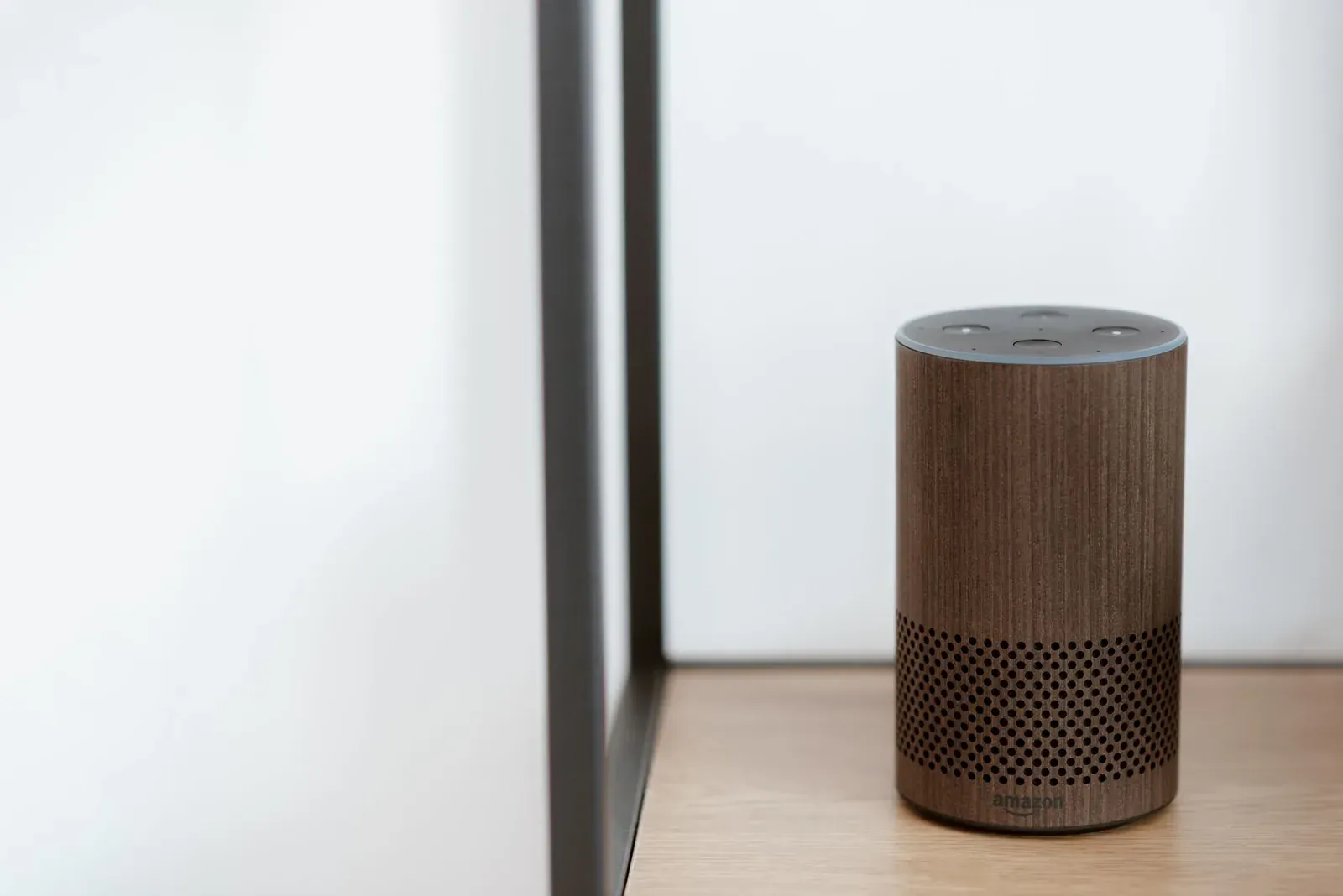
Matter-over-Wi-Fi devices follow the same rules as other Wi-Fi gear. Thread devices are different: they don't join your Wi-Fi directly — they reach the internet through a Thread border router (often a smart speaker or hub). If that border router lost connectivity, your Thread devices go quiet until it's back online.
Device types compared
| Device type | What broke | Typical fix |
|---|---|---|
| Wi-Fi (plugs, bulbs, cameras) | Lost the old SSID/password | Clone old network, or re-add to new Wi-Fi |
| Matter-over-Wi-Fi | Same as Wi-Fi devices | Re-add in the controlling app |
| Thread | Border router lost internet | Reconnect the border router; devices recover |
| Zigbee / Z-Wave | Hub lost internet | Reconnect the hub; no re-pairing needed |
Settings to get right on the new router
A few router settings prevent repeat outages. Adjust these before you reconnect everything:
- Keep 2.4 GHz reachable. If band steering causes trouble, temporarily give 2.4 GHz its own name for setup. A separate IoT SSID is a durable approach — see smart-home Wi-Fi best practices.
- Re-create IP reservations. Give hubs and bridges the same local IP they had before so local automations and integrations keep working.
- Check WPA settings. Older devices may not connect to WPA3-only networks; WPA2/WPA3 mixed mode is safer for compatibility.
If devices reconnect but then keep dropping, the problem has shifted from credentials to signal or load. Our guide on devices that keep going offline covers what to check next.
Frequently asked questions
Do I have to factory-reset every device after a router change?
No. If you recreate the old network name and password on the new router, most Wi-Fi devices reconnect automatically. Resets are only needed when you keep a new SSID and a device offers no in-app way to switch networks.
Why are my Zigbee or Z-Wave devices offline if they don't use Wi-Fi?
They connect to a hub, and the hub connects to your router. When the hub loses internet, everything behind it appears offline. Reconnect the hub — by Ethernet or by updating its Wi-Fi — and the devices return without re-pairing.
Should I keep the old network name or start fresh?
If you have many devices, cloning the old SSID and password is fastest. If you're rebuilding anyway or want better organization, a new dedicated IoT network is worthwhile — just expect to reconnect devices one time.
My phone connects to the new Wi-Fi but setup still fails. Why?
Setup often requires your phone to be on the 2.4 GHz band, the same band the device uses. If your router merges bands, temporarily split them or join the 2.4 GHz network during pairing, then switch back.