Smart Plug Not Responding? 8 Fixes to Try First
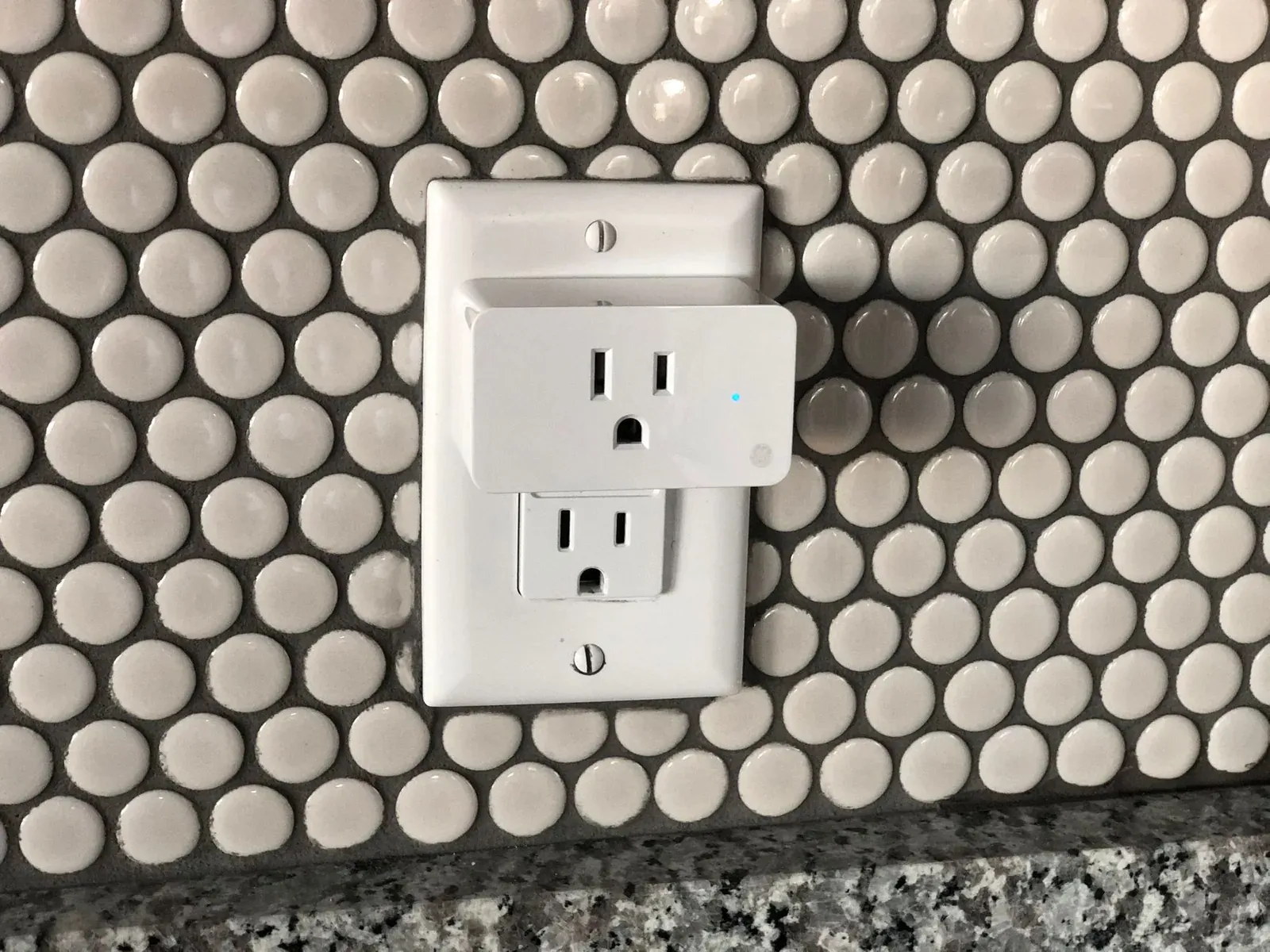
When a smart plug stops responding, the cause is almost always one of three things: the plug has dropped off your Wi-Fi, the app or voice assistant has lost its link to it, or the plug itself has locked up and needs power cycling. The good news is that you can usually restore control in a few minutes without resetting anything. Start with the quickest, least destructive fixes and only escalate to a full reset if nothing else works.
Start here: a 60-second triage
Before changing any settings, figure out where control is breaking. This tells you which fix to reach for instead of guessing.
- Does the physical button on the plug work? If pressing it toggles the connected device, the plug's relay and power are fine — your problem is network or app-side.
- Is just this one plug down, or several devices? Multiple devices offline points to your router or hub, not the plug. See our guide on smart-home devices that keep going offline.
- Does the status LED show anything? A slow blink usually means "trying to connect to Wi-Fi"; a steady light usually means "connected." Check your manufacturer's LED key — patterns vary by brand.
- 1Test the plug’s physical button
- 2Power-cycle the plug at the wall
- 3Reboot your router and check 2.4 GHz Wi-Fi
- 4Re-link or re-add the plug in your app
- 5Factory reset only if all else fails
1. Power-cycle the plug itself
Smart plugs run tiny embedded firmware that can hang, especially after a power blip or a firmware update. The fix is a true power cycle: unplug it from the wall, wait about 10 seconds so the capacitors fully discharge, then plug it back in. This forces the radio and microcontroller to reinitialize and rejoin Wi-Fi — something a soft "off" from the app can't do. Give it 30–60 seconds to reconnect before testing again.
2. Reboot your router (not just the plug)
If several smart devices went quiet at once, the plug is the symptom, not the cause. Routers occasionally exhaust their DHCP lease table or wedge their 2.4 GHz radio, which silently drops low-bandwidth IoT devices first. Power-cycle the router, wait for it to fully come back, then re-test. If your hub is the thing dropping out, our piece on stabilizing a hub that keeps disconnecting goes deeper.
3. Confirm the plug is on 2.4 GHz Wi-Fi
This is the single most common cause of a Wi-Fi smart plug that "won't respond" — especially right after you change routers or mesh systems. Nearly all Wi-Fi smart plugs use 2.4 GHz only, because it reaches farther and uses less power. If your router broadcasts a single SSID that steers devices to 5 GHz, the plug can get pushed onto a band it can't use and fall offline.
If your network uses band steering, the most reliable fix is a dedicated 2.4 GHz SSID for IoT. Our smart-home Wi-Fi guide walks through setting that up, and 2.4 GHz vs 5 GHz for smart-home devices explains why the slower band is actually better here.
4. Re-link the plug in your assistant app
Sometimes the plug is online and the manufacturer's own app controls it fine, but Alexa or Google Home reports it as unresponsive. That's a broken link in the account-linking chain, not a plug fault. The voice platform talks to the plug's cloud through a linked account; if that token expires or the brand's cloud has an outage, commands fail.
- Open the manufacturer's own app first. If it controls the plug, the hardware and Wi-Fi are fine.
- In the Alexa app or the Google Home app, remove and re-add the device, or unlink and re-link the brand's skill/service.
- Run a device discovery afterward so the assistant re-syncs the plug's state.
For Google users, how to add a device to Google Home covers the re-add flow step by step.
5. Update the plug's firmware
Outdated firmware causes intermittent unresponsiveness, dropped schedules, and failed reconnects after a router reboot. Manufacturers push fixes regularly. Open the plug's native app, find the device's settings or info screen, and check for a firmware update. Keep the plug powered and on Wi-Fi until it finishes — interrupting a firmware flash can brick the device.
6. Check for a cloud or platform outage
If every plug from one brand stops responding simultaneously, suspect the manufacturer's cloud rather than your home. Most Wi-Fi plugs route commands through the vendor's servers, so an outage there takes voice and app control down even though your Wi-Fi is perfect. Check the brand's status page or community forum. This cloud dependency is one reason many people prefer local-control standards — see Matter vs Zigbee vs Z-Wave for how those compare.
7. Move it closer or reduce interference
2.4 GHz is crowded — it shares space with microwaves, Bluetooth, and baby monitors. A plug that pairs at close range but drops once installed is usually a range or interference problem. Temporarily move the plug near the router and re-test. If it becomes reliable, the original spot has weak coverage. A sluggish-but-working plug points to network congestion; our guide on why smart-home devices respond slowly covers reducing lag.
8. Factory reset and re-pair
If nothing above works, factory reset the plug. This is last because it wipes the plug's Wi-Fi credentials, automations, and pairing — you'll set it up fresh. Most plugs reset by holding the button for 5–10 seconds until the LED blinks rapidly; check your model's manual for the exact pattern. Then re-add it through the manufacturer's app. If the plug won't reconnect during setup, our setup connection troubleshooting guide has 10 more fixes.
Wi-Fi plug vs hub-based plug: where to look
| Symptom | Wi-Fi smart plug | Zigbee / Thread / Z-Wave plug |
|---|---|---|
| One plug unresponsive | Power-cycle, check 2.4 GHz signal | Check distance to nearest mesh repeater |
| All plugs unresponsive | Router or vendor cloud outage | Hub or border router offline |
| Works in native app, not voice | Re-link account in assistant app | Re-link hub integration |
| Depends on internet? | Usually yes (cloud control) | Often no (local control via hub) |
If you keep fighting Wi-Fi plug dropouts, a hub-based ecosystem may be steadier. Do you still need a smart-home hub? weighs the trade-offs.
Frequently asked questions
Why does my smart plug keep going offline by itself?
Recurring dropouts usually trace to weak 2.4 GHz signal, band steering pushing the plug onto 5 GHz, or a router that periodically resets its device table. Put IoT devices on a dedicated 2.4 GHz SSID and confirm the plug has a strong signal where it's installed.
Will resetting my smart plug delete my schedules and automations?
Yes. A factory reset clears the plug's Wi-Fi credentials, on-device schedules, and pairing. You'll re-add it in the app and rebuild any routines, so treat reset as a last resort after power-cycling and re-linking fail.
The plug works in its own app but not with Alexa or Google — why?
That's a broken account link, not a hardware fault. The assistant talks to the plug through a linked cloud account; if the token expires or the brand's service hiccups, control fails. Unlink and re-link the brand in the Alexa or Google Home app, then re-run discovery.
Do smart plugs need the internet to work?
Most Wi-Fi smart plugs route commands through the manufacturer's cloud, so they lose app and voice control during an internet or cloud outage — though the physical button still works. Plugs using local standards like Zigbee, Thread, or Matter can often be controlled by a local hub without internet.