How to Set Up Alexa Voice Profiles (Voice Recognition)
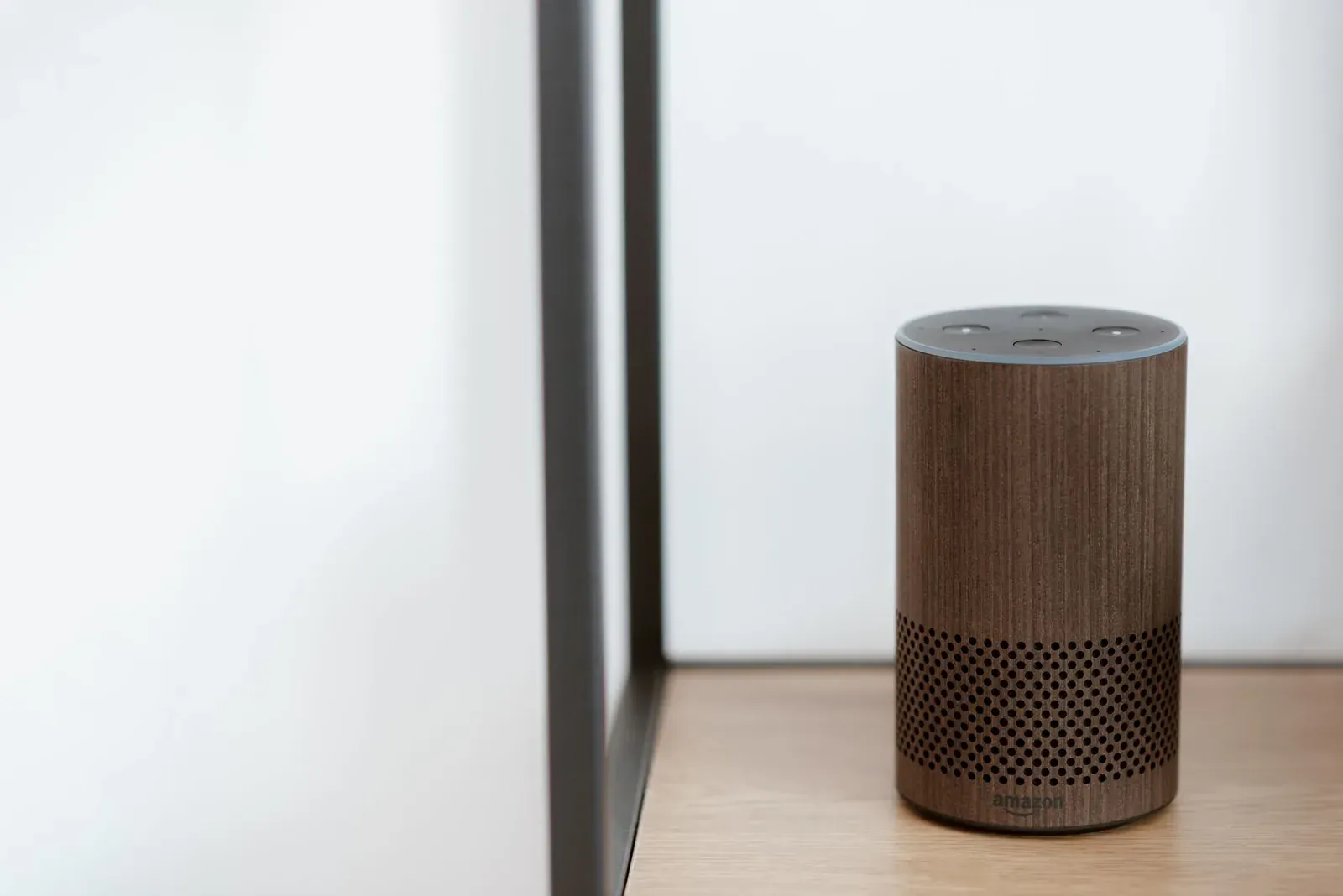
To set up an Alexa voice profile, open the Alexa app, go to your account settings, find Your Profile & Family (sometimes shown as Voice ID), and follow the prompt to read a short set of phrases aloud so Alexa can learn how you sound. Once your profile is trained, Alexa can tell your voice apart from others in the home and personalize results — your calendar, your music, your reminders, and your name in flash briefings. Everyone who wants personalized responses needs their own profile on the same Amazon household.
Voice profiles are what turn a shared Echo from a single generic assistant into something that responds differently depending on who is speaking. Below is how to create one, what it actually changes, and how to fix recognition when Alexa keeps guessing wrong.
What an Alexa voice profile actually does
A voice profile (Amazon has also branded this feature "Voice ID") stores a model of how your voice sounds and ties it to your Amazon account. When you speak to an Echo that has multiple profiles, Alexa tries to match your speech to a known voice and then serves results for that person. In practice, that means:
- Personal information — your calendar, commute, and reminders instead of someone else's.
- Communication — calls and messages go from and to the right person. This matters if you use Announcements, Drop In, and Broadcast across the household.
- Music and content — your playlists, your "my music," and your recommendations.
- Personalized greetings — Alexa can address you by name in routines and briefings.
What it is not is a hard security barrier. Voice recognition is designed for convenience and personalization, not authentication. Similar-sounding family members can be confused, so you should not rely on it alone to gate sensitive actions like purchases — use a separate voice purchasing PIN for that.
Before you start: what you need
- The Alexa app installed and signed in on each person's phone.
- A separate Amazon account for each person who wants personal results. You can link accounts together in an Amazon Household so they share the same Echo devices.
- An Echo device that's set up and online. If yours isn't yet, see our guides on setting up an Amazon Echo for the first time and connecting Alexa to a new Wi-Fi network if it dropped off.
- A reasonably quiet room for training, so Alexa learns your voice and not the background.
How to create your Alexa voice profile
The exact wording moves around as the app updates, so look for the concept rather than an exact screen name. In the Alexa app, open your account or settings area and look for Your Profile & Family, then your own profile, then the voice option (labeled Voice ID or Recognize voices).
- 1Open the Alexa app and go to More or Settings, then Your Profile & Family
- 2Select your own profile, then choose Voice ID or Add your voice
- 3Stand near your Echo in a quiet room and tap to begin
- 4Read the short phrases aloud in your normal speaking voice
- 5Wait for the confirmation that your voice profile is ready
- Open the Alexa app and go to the menu (often More) then Settings, or tap your account area.
- Find Your Profile & Family and tap your own name.
- Choose the voice option — shown as Voice ID, Add your voice, or Recognize voices.
- Follow the training prompt. Stand near the Echo you use most and read each phrase Alexa shows you, in your normal voice at a normal distance.
- Confirm it's done. Alexa will tell you the profile is ready. From then on, it will try to recognize you on any Echo tied to your household.
Adding other people (and the household piece)
Alexa recognizes multiple people only when each has their own profile. There are two common setups:
| Setup | How it works | Best for |
|---|---|---|
| Amazon Household | Two adult accounts (and kid profiles) linked together, sharing the same Echo devices and content where allowed. | Couples and families who want each person's own results. |
| Individual voice profiles | Each person trains their voice from their own signed-in Alexa app. | Anyone who wants personalized responses on a shared Echo. |
Have each additional person install the Alexa app, sign into their own Amazon account, join the household if you're using one, then create a voice profile using the same steps above from their phone. There's no way to record another adult's voice from your device.
Troubleshooting: Alexa recognizes the wrong person
If Alexa greets you with someone else's name, pulls the wrong calendar, or plays the wrong "my music," work through these in order:
- Confirm your profile exists. In the Alexa app, check that your Voice ID shows as trained under your profile. If it's missing, create it.
- Retrain your voice. Voices change and early training samples can be noisy. Delete the existing voice profile and set it up again in a quiet room — this is the single most effective fix.
- Check similar voices. Family members with similar pitch and accent are the most common cause of misidentification. Retraining both people separately usually improves the match.
- Ask Alexa directly. Say "Alexa, who am I?" to see which profile it currently thinks is speaking. This quickly confirms whether recognition is the problem.
- Verify the household link. If a person's personal results never appear, they may not be part of the Amazon Household on that device.
- Restart or re-check the device. If the whole thing is behaving oddly, see Alexa not responding to smart home devices. A full factory reset is a last resort and isn't needed just to fix a voice profile.
Once recognition is solid, voice profiles make features like personalized Alexa reminders and routines genuinely useful, because Alexa knows whose reminder and whose routine it's running.
Frequently asked questions
Do I need a voice profile to use Alexa?
No. Alexa works fully without one. A voice profile only adds personalization — your calendar, your name, your music — on shared devices. If one person uses the Echo, you may not need it at all.
Can Alexa tell the difference between two similar voices?
Usually, but not perfectly. Recognition is convenience-grade, and people with similar pitch, accent, or speech patterns can be confused. Retraining each person separately in the room where the Echo lives improves accuracy more than anything else.
How do I delete an Alexa voice profile?
Open the Alexa app, go to your profile under Your Profile & Family, open the Voice ID option, and choose to delete or forget the voice. You can then retrain from scratch if you want a fresh, cleaner sample.
Does a voice profile work across all my Echo devices?
Yes. Once trained, your profile applies to the Echo devices on your Amazon household, including an Echo Show, so Alexa recognizes you throughout the home rather than on just one speaker.