How to Set Up Alexa Reminders (Step-by-Step Guide)
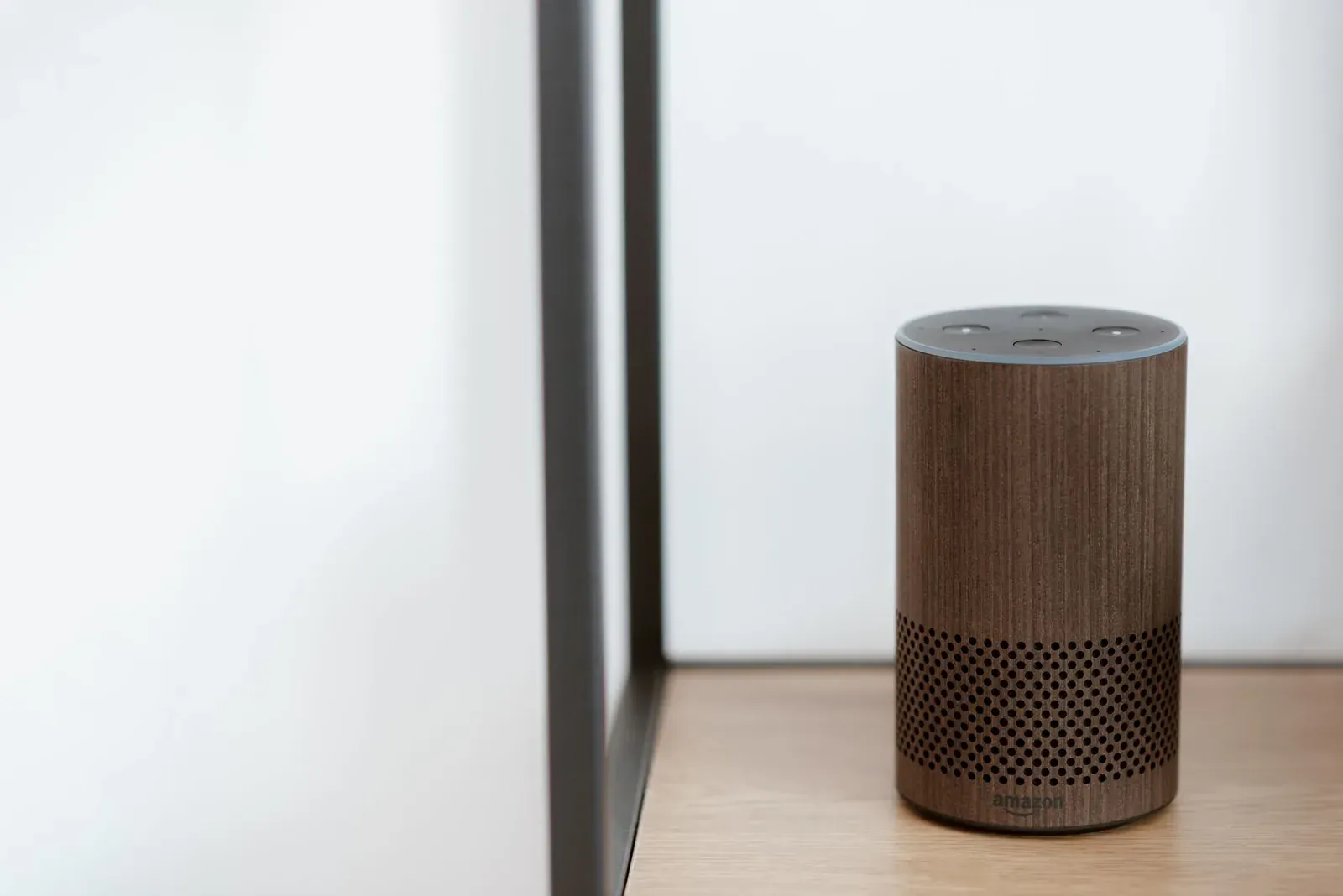
To set up an Alexa reminder, the fastest way is to say "Alexa, remind me to take out the trash at 8 PM" — Alexa confirms the time and stores it. For anything recurring, shared with another person, or routed to a specific Echo, it's easier to open the Alexa app, go to More → Reminders, and create it there. Both methods feed the same reminders list, so you can start a reminder by voice and fine-tune it in the app later.
Reminders are one of Alexa's most reliable everyday features, but a few details trip people up: the difference between a reminder and an alarm, how reminders announce on multiple devices, and why a reminder sometimes only chimes on the Echo nearest you. This guide walks through setup by voice and in the app, then covers the fixes for the problems that show up most often in Amazon's help threads and community forums.
Reminders vs. alarms vs. timers: pick the right tool
Alexa has three time-based features that people mix up. Choosing the right one is the first step, because they behave differently and live in different parts of the app.
| Feature | Best for | What it does |
|---|---|---|
| Reminder | Tasks tied to a specific time ("call the dentist at 3 PM") | Announces the task out loud and shows a card; can repeat and target a person or device |
| Alarm | Waking up or a hard cutoff | Plays a tone or music until dismissed; no spoken task |
| Timer | Counting down a known duration ("15-minute timer") | Rings when the countdown ends; no clock time involved |
The key distinction: a reminder speaks the task at a set clock time and repeats the announcement a few times if you don't acknowledge it. That makes it the right choice for to-dos, medication, and appointments rather than wake-up duty.
Method 1: Set a reminder by voice
Voice is the quickest path and works on any Echo or the Alexa app's voice button. Natural phrasing is fine — Alexa parses the time and task from a single sentence.
- 1Say “Alexa, remind me to [task] at [time]”
- 2Listen for Alexa’s spoken confirmation of the task and time
- 3If the time was wrong, say “Alexa, change my reminder” or fix it in the app
- Specific time: "Alexa, remind me to take my medication at 9 PM."
- Relative time: "Alexa, remind me to check the oven in 20 minutes."
- A date: "Alexa, remind me about Sam's birthday on July 12th."
When you give a task without a time, Alexa will ask "For when?" and wait for you to answer. The reminder fires on whichever device you spoke to, plus any devices you've set it to announce on (more on that below).
Method 2: Set and manage reminders in the Alexa app
The app is where reminders become powerful: recurring schedules, assigning a reminder to a household member, and choosing exactly which Echo announces it. Menu labels shift between app updates, so navigate by name rather than memorizing a screen position.
- Open the Alexa app and tap More (usually bottom-right), then Reminders & Alarms or Reminders.
- Tap Add Reminder.
- Enter the reminder text — this is exactly what Alexa will say aloud.
- Set the date and time, and choose a repeat option (daily, weekly, weekdays, etc.) if you want it recurring.
- Under the person or device option, pick who the reminder is for and which device announces it.
- Save. The reminder now appears in your list and syncs across your account.
Creating recurring reminders in the app is far more precise than by voice — useful for medication schedules, weekly trash day, or a standing work reminder.
Choosing where a reminder announces
By default, a reminder announces on the device you created it on. You can change this so it speaks on a specific Echo (say, the kitchen one) or on all of them. This is the single most common source of "my reminder didn't go off" confusion — it did fire, just not on the device you were standing near.
- One device: Good for location-based tasks — a "start the laundry" reminder on the Echo near the laundry room.
- All devices / announce everywhere: Best for things you can't miss, like medication, so it follows you around the house.
Reminders that announce on every device behave a bit like a household notification. If you want true household-wide messaging rather than scheduled reminders, that's a different feature set — see Alexa Announcements vs Drop In vs Broadcast for how those compare.
Editing, snoozing, and deleting reminders
Once a reminder exists, you can manage it by voice or in the app.
- Hear what's pending: "Alexa, what are my reminders?"
- Snooze a firing reminder: "Alexa, snooze" — she'll typically push it out a few minutes, or you can say a specific delay like "snooze for 10 minutes."
- Cancel one: "Alexa, cancel my 3 PM reminder," or delete it in the app's reminders list.
- Change the time or text: Easiest in the app — tap the reminder and edit the fields directly.
If you find yourself stacking several reminders and announcements around the same moment (a morning wake-up flow, for instance), a Routine is often the better tool, since it can chain a reminder-style announcement with lights, news, and music in one trigger. Browse useful Alexa routine ideas for examples.
Troubleshooting reminders that don't fire
When a reminder doesn't announce, it's almost always one of a handful of causes. Work through these in order.
- Check the announce-on device. Open the reminder in the app and confirm which device it targets. If it's set to one Echo and you were in another room, that's the cause — switch it to all devices.
- Check Do Not Disturb. If the target Echo has Do Not Disturb on, reminders are suppressed. A glowing or scheduled DND window silently swallows them.
- Check the volume. Reminders use the device's alarm/notification volume. If that's at zero, the reminder fires silently.
- Confirm the device is online. An Echo that dropped off Wi-Fi can't announce. If it's offline, see reconnecting Alexa to Wi-Fi.
- Verify the right account. Reminders are tied to the Amazon account and profile that created them. If your household has multiple profiles, a reminder may have landed on the wrong one.
If reminders fail alongside other Alexa misbehavior — smart home commands ignored, slow responses — the problem is likely the device or account, not reminders specifically. Our guide on Alexa not responding to smart home devices covers those broader fixes.
Frequently asked questions
Can Alexa send a reminder to my phone?
Reminders show in the Activity/notifications area of the Alexa app, and the app can push a notification to your phone if you've allowed Alexa app notifications in your phone's settings. The primary delivery, though, is the spoken announcement on your Echo devices — the phone notification is a secondary nudge, not a replacement.
Why does Alexa only remind me on one device?
Because every reminder has a target device, and by default that's whatever you created it on. Open the reminder in the Alexa app and change it to announce on all devices, or pick a different specific Echo. This is the most common reminder complaint and almost always a setting, not a bug.
Can I set a reminder for someone else in my household?
Yes, if that person has a voice profile and a profile in your Alexa household. In the app, assign the reminder to their name when you create it; it will announce on their devices and appear in their reminders. Without voice profiles set up, Alexa can't reliably tell who's who.
What's the difference between a reminder and a Routine?
A reminder simply speaks a task at a set time and can repeat. A Routine is an automation that can trigger multiple actions at once — announcements, lights, music, smart-home commands — on a schedule or by phrase. Use a reminder for a single nudge; use a Routine when you want several things to happen together.