How to Delete Alexa Voice Recordings and Manage Privacy
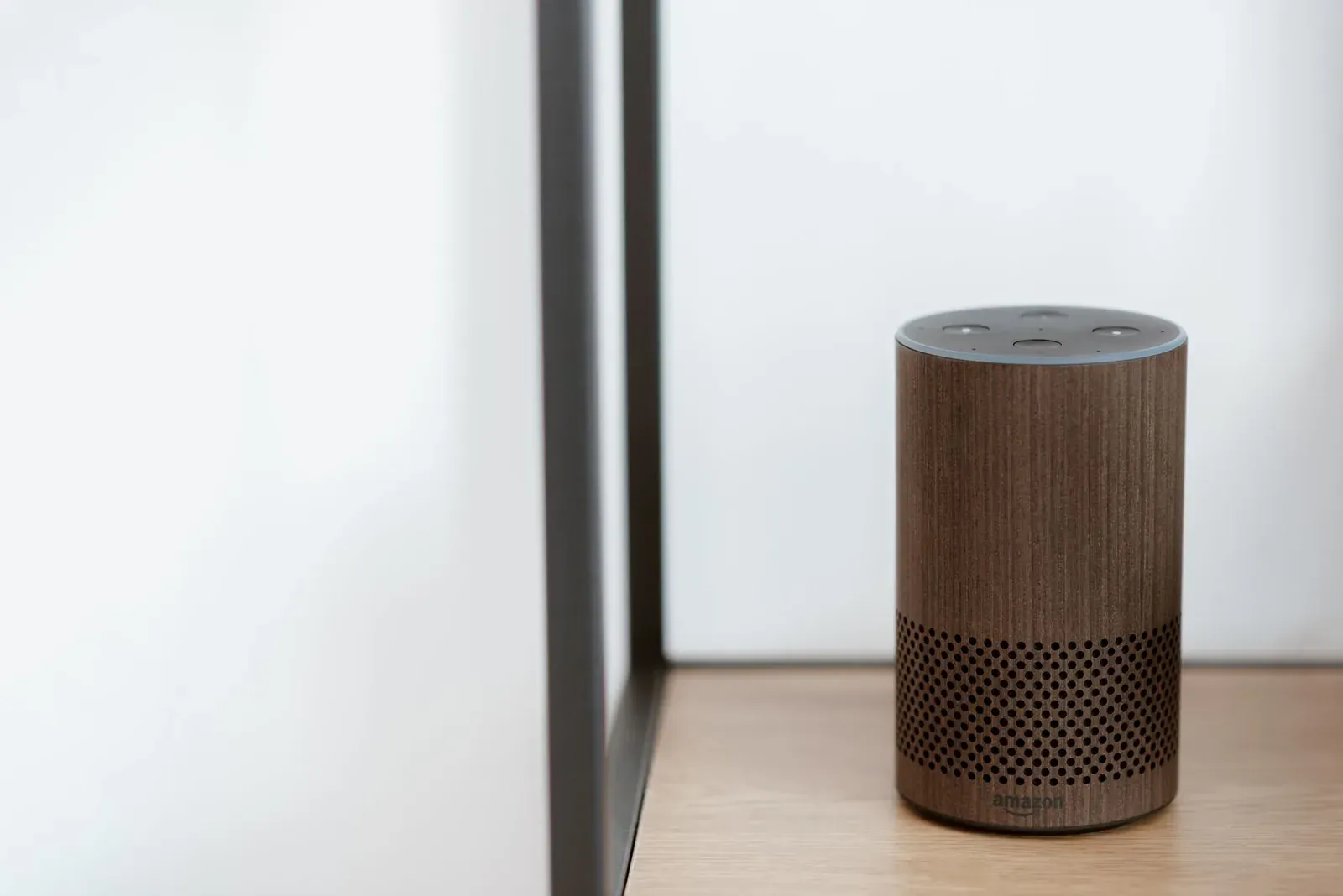
To delete Alexa voice recordings, the fastest route is a voice command — say "Alexa, delete everything I said today" or "Alexa, delete what I just said" — but for a full cleanup you'll want the Alexa app or Amazon's Privacy hub, where you can erase your entire voice history and change what Alexa saves going forward. Amazon stores these clips to improve speech recognition and let you review your own requests, but you can remove them and set your account to auto-delete or stop saving audio entirely. This guide walks through every method and the privacy settings worth knowing.
Why Alexa keeps recordings in the first place
When you speak to an Echo after the wake word, a short audio clip is sent to Amazon's servers to interpret your request. By default, Amazon retains those clips tied to your account. The stated reasons are practical: the audio helps train speech models to understand accents and phrasing, and it lets you review exactly what you asked for if a command misfires. The trade-off is a running archive of your voice in the cloud — which is what most privacy-conscious users want to control.
It's worth separating two things Alexa stores. Voice recordings are the audio clips themselves. Transcripts and history are the text interpretations and the list of interactions. Deleting recordings removes the audio; you may still see or want to clear the associated history entries, and the settings below cover both.
Method 1: Delete recordings by voice (fastest)
The quickest way to erase recent audio is to ask Alexa directly. These commands work on any Echo tied to your account:
- "Alexa, delete what I just said" — removes your most recent request.
- "Alexa, delete everything I said today" — clears the current day's recordings.
There's a catch: voice deletion only works if you've enabled it. In the Alexa app's privacy settings, look for the option to manage how recordings are reviewed and deleted, and turn on deletion by voice. Note that the "delete everything I said" wildcard command generally needs to be switched on separately from the single-request command, and Alexa will tell you if it isn't enabled.
Method 2: Delete your voice history in the Alexa app
For a thorough cleanup with a visible record of what you're erasing, use the app. Because Amazon periodically reorganizes menus, we'll describe the path rather than a fixed screen name; look under the app's Settings for Alexa Privacy (sometimes shown as "Alexa Privacy" or "Privacy").
- 1Open the Alexa app and go to Settings, then Alexa Privacy
- 2Choose Review Voice History
- 3Filter by date range or by a specific device, or search a keyword
- 4Play clips to confirm, then delete individual entries or all filtered recordings at once
The history view is genuinely useful beyond deletion. You can see when Alexa woke up unexpectedly — a false wake from the TV or a similar-sounding word — and hear exactly what was captured. If you notice frequent accidental activations, changing your device's trigger can help; see our guide on how to change the Alexa wake word. Reviewing history is also how you'd confirm whether a feature like a proactive suggestion was triggered by something you said, which we cover in Alexa Hunches explained.
Method 3: Use Amazon's Privacy hub and set auto-delete
Everything in the app is mirrored on the web at amazon.com/alexaprivacy (sign in with your Amazon account), which some people find easier on a larger screen. This hub is also where you set the option that does the most long-term good: automatic deletion.
In the section that manages how long Amazon keeps your recordings, you can choose to not save recordings, or to auto-delete after 3 months or after 18 months. Auto-delete is the "set it and forget it" privacy control — you keep short-term history for reviewing recent commands, but nothing lingers for years.
| Setting | What it does | Best for |
|---|---|---|
| Don't save recordings | Audio is processed then not retained on your account | Maximum privacy; accept weaker personalization |
| Auto-delete after 3 months | Rolling deletion of anything older than 3 months | A balance of privacy and short-term review |
| Auto-delete after 18 months | Rolling deletion of anything older than 18 months | Users who reference older activity |
| Keep until I delete | Retains everything until you remove it manually | People who prefer full manual control |
Trim what else Alexa collects
Recordings are one slice of the picture. While you're in the Privacy hub, two more controls are worth a look:
- Manage how your data improves Alexa: toggles that govern whether your recordings and messages can be used to develop and improve Amazon services, including human review of a small sample of clips. Turning these off keeps your audio out of that pool.
- Manage skill permissions: controls what third-party skills can access, such as your name, address, or device location.
If you share an Echo, remember that history is tied to the account profile in use. On a shared or family device — like the one in our Echo Show setup guide — each voice profile has its own history, so check the right profile before assuming a recording is missing.
The mute button is your instant hardware control
Every Echo has a physical microphone off button. Pressing it electronically disconnects the mics — the ring turns red — and while it's on, the device can't hear or record anything, wake word included. This is the surest privacy control for moments you don't want any listening at all, such as a sensitive conversation. It's independent of any app setting and doesn't require an internet connection to trust. If you rely on features like Alexa Guard for sound detection, note that muting the mic disables that too, so re-enable it when you're done.
Frequently asked questions
Does deleting recordings hurt how well Alexa understands me?
It can, modestly. Amazon says a saved voice history helps tailor recognition to your speech patterns, so choosing "Don't save recordings" may make some personalization and voice-history-dependent features less accurate. Deleting past clips occasionally has little practical effect for most users; disabling saving entirely is the setting with a noticeable trade-off.
Can I delete recordings for just one Echo?
Yes. In Review Voice History, filter by a specific device before deleting, so you can clear the kitchen Echo without touching the bedroom one. This is handy after a guest visit or when one device keeps waking accidentally.
Does turning off recordings stop Alexa from listening?
No. The Echo still listens locally for the wake word so it can respond — that never leaves the device until it hears the wake word. To physically stop all listening, press the microphone off button. Privacy settings govern what's saved, not whether the device is powered and waiting.
What about Drop In and messaging privacy?
Those are separate permissions. Drop In lets approved contacts open an audio (or video) line to your Echo, which is a different concern from stored recordings. We break down who can reach your device in Alexa Announcements vs Drop In vs Broadcast.