Alexa Guard Explained: Home & Away Modes and Sound Detection
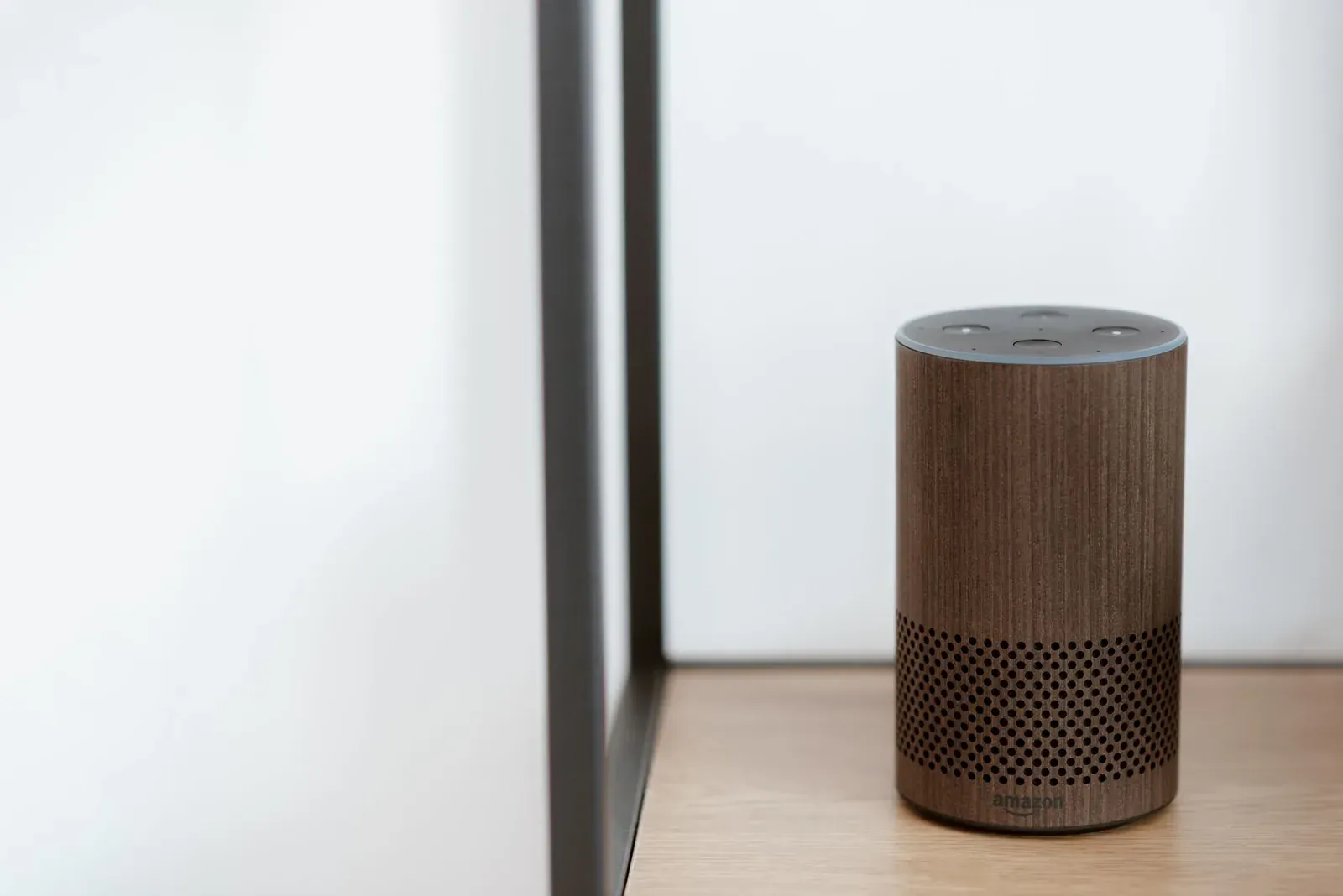
Alexa Guard is a free feature that turns a compatible Echo speaker into a basic home-monitoring helper: when you switch it to Away mode, the Echo listens for a few specific sounds—most notably a smoke or carbon monoxide alarm and the sound of glass breaking—and sends a Smart Alert to your phone if it hears one. In Home mode, that listening is paused so your everyday life doesn't trigger notifications. It is not a replacement for a monitored security system; think of it as a lightweight extra set of ears on the Echo you already own.
Home mode vs. Away mode: what each one does
The whole feature revolves around a single toggle between two modes. Understanding the split is the key to using Guard without either missing alerts or being buried in false ones.
| Mode | What Alexa does | When to use it |
|---|---|---|
| Home | Guard sound detection is paused. Your Echo works normally—music, timers, questions—without listening for alarm or glass sounds. | Whenever people are home and moving around. |
| Away | Compatible Echo devices listen for the sounds you've enabled and send a Smart Alert (notification, and optionally an audio clip) if one is detected. | When you leave the house and want the extra monitoring. |
You can switch modes several ways: say “Alexa, I'm leaving” to arm Away and “Alexa, I'm home” to return to Home, tap the mode in the Alexa app, or trigger it automatically as part of an Alexa Routine. A common setup is a routine that arms Away mode on a schedule or when your phone's location shows you've left, so you don't have to remember the voice command.
What sounds can Alexa detect?
Guard doesn't try to recognize everything—it listens for a short list of acoustic “fingerprints” that are distinctive enough to flag reliably. On the free tier, that means two things:
- Smoke and carbon monoxide alarms. Echo listens for the standardized beep pattern that certified smoke/CO detectors emit, not for smoke itself. Your existing alarms keep doing the sensing; Guard just relays the fact that they went off while you were out.
- Glass breaking. The sharp, broadband signature of shattering glass—a possible sign of a break-in—triggers an alert.
When Away mode catches one of these, you get a push notification, and you can often listen to a short recorded clip in the Alexa app to judge for yourself whether it's a real event or a false positive (a dropped glass, a TV, a similar-sounding beep from a microwave). Because detection is acoustic, placement matters: an Echo tucked in a closed room far from your kitchen alarm or a street-facing window won't hear as well as one in an open central space.
Free Guard vs. Guard Plus
Amazon offers Guard in two tiers. The free version covers the core safety-and-security sounds; the paid Guard Plus subscription layers on active response features. Availability and pricing of Guard Plus have changed over time and by region, so confirm what's offered in your Alexa app rather than assuming.
- Smart Alerts for smoke/CO alarms and breaking glass
- Away Lighting to make lights look occupied
- No recurring cost
- Adds detection of other activity sounds (footsteps, doors)
- Ask Alexa to sound a siren as a deterrent
- Hands-free access to an emergency helpline
The most meaningful upgrades in Guard Plus are the response tools. You can say “Alexa, call for help” to reach a 24/7 emergency helpline hands-free, or ask Alexa to play a loud siren to scare off an intruder. Guard Plus also widens sound detection to include general activity noises. For most people, the free tier's smoke/CO and glass alerts are the reason to turn Guard on at all; Guard Plus makes sense mainly if you want the siren and helpline.
Away Lighting and security-system links
Guard can do more than listen. Away Lighting turns compatible smart lights on and off in a somewhat random pattern while you're in Away mode, so the house looks occupied—a simple deterrent that works with bulbs and plugs you already control through Alexa. Guard can also forward its Smart Alerts to certain partner security systems (such as Ring or ADT) if you connect them, letting those services fold Echo's sound detection into their own monitoring. None of this happens automatically; you enable each piece in the Alexa app.
How to set up Alexa Guard
Setup lives in the Alexa app's settings. Because Amazon periodically reorganizes those menus, look for the Guard entry rather than a fixed screen name.
- 1Open the Alexa app and go to Settings, then find Guard
- 2Choose which sounds to detect (smoke/CO alarm, glass breaking) and confirm your Echo devices
- 3Optionally set up Away Lighting and link a security system
- 4Arm it by saying “Alexa, I’m leaving” or via a Routine when you head out
If you rely on voice to arm and disarm Guard, it's worth knowing how Alexa's other voice behaviors interact with it—see our explainer on Announcements vs. Drop In vs. Broadcast so you don't confuse a Guard alert with a household message. Guard is also distinct from the proactive suggestions covered in Alexa Hunches, which act on smart-home patterns rather than listen for emergency sounds.
Frequently asked questions
Does Alexa Guard record everything I say?
No. In Away mode, Guard listens locally for its specific target sounds and only captures and sends a short audio clip when it detects one of them, so you can verify the alert. It is not streaming continuous audio to you or storing your conversations. You can review and manage Guard notifications and clips in the Alexa app.
Which Echo devices work with Alexa Guard?
Guard runs on many standard Echo speakers with microphones. Some very small or specialized devices may not support it, and it's a US-only, English-language feature at time of writing. The Alexa app will show which of your devices can participate when you set Guard up. If a device isn't listening as expected, confirm it's mic-enabled and check our guide on when Alexa stops responding to smart-home devices.
Why didn't Guard alert me when my alarm went off?
The most common reasons are that Guard was in Home mode (not armed), the Echo was too far from the alarm or window to hear it clearly, the specific sound wasn't enabled, or notifications were muted on your phone. Placement and mode are the two things to double-check first. Remember Guard listens for the alarm's beep pattern, so a non-standard or very quiet alarm may not register.
Is Guard Plus worth the subscription?
It depends on what you want. The free tier already covers the safety-critical smoke/CO and glass alerts. Guard Plus adds the siren deterrent, the hands-free emergency helpline, and broader activity-sound detection—useful if you want a more active response, less essential if you just want to be notified when something happens. Since availability and pricing shift, check the current offer in the Alexa app before subscribing.