Alexa Skills vs Smart Home Skills: The Difference
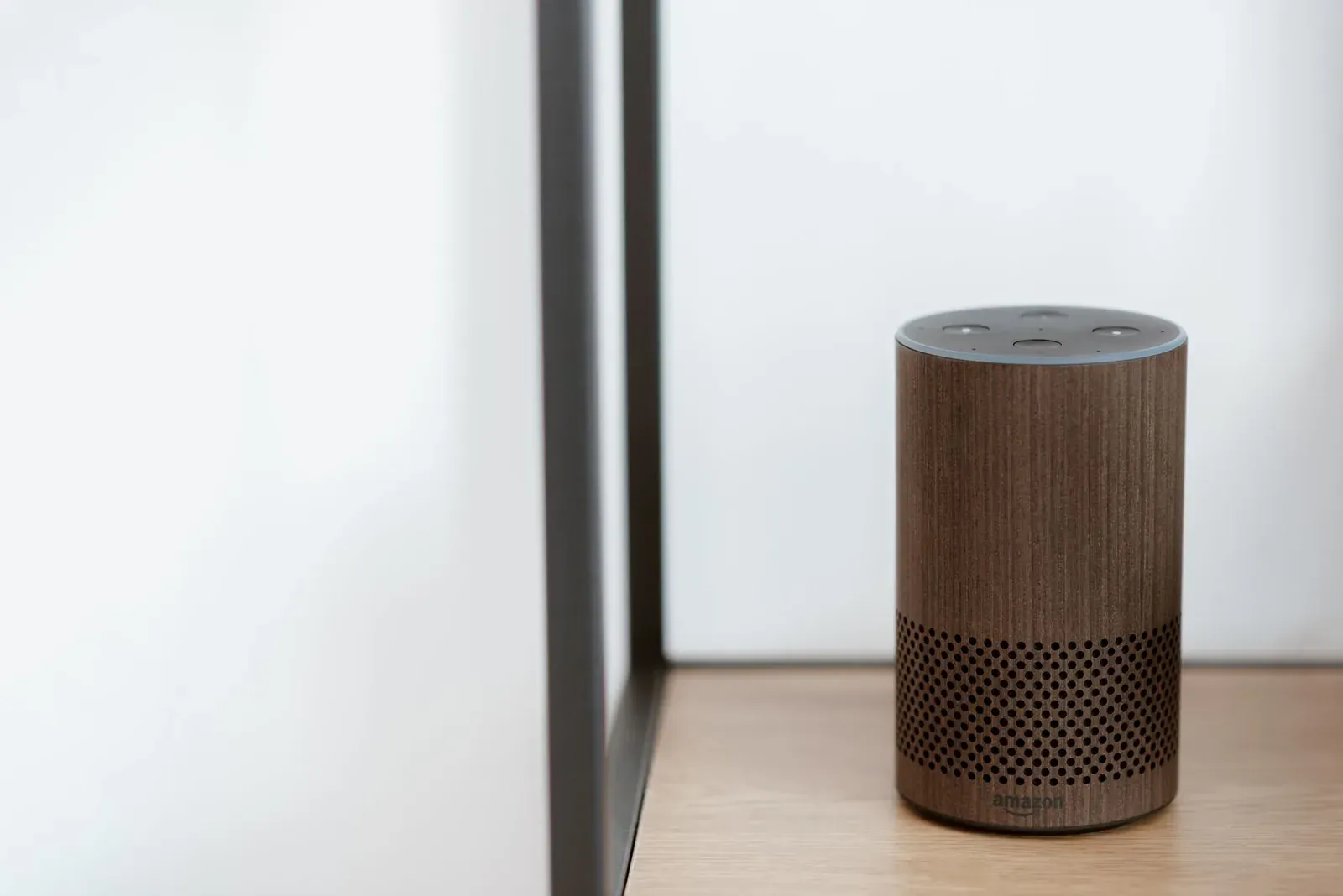
The short version: a Smart Home Skill is a specific type of Alexa Skill. “Alexa Skills” is the broad category for everything you can add to Alexa — games, news briefings, recipe helpers, and more — and each one is launched by name (“Alexa, open Jeopardy”). A Smart Home Skill is the narrow subset that connects physical devices — lights, plugs, thermostats, cameras, locks — and lets you control them with natural commands like “Alexa, turn off the kitchen lights,” without opening or naming the skill first. So they aren’t rivals; one is a family and the other is a member of it that follows different rules.
What “Alexa Skills” actually means
Think of Alexa Skills the way you’d think of apps on a phone: they extend what the assistant can do beyond its built-in features. Amazon groups them into several categories, and the two that cause the most confusion are Custom Skills and Smart Home Skills.
A Custom Skill is the classic “app” experience. You enable it, then invoke it by name using an invocation phrase. For example, “Alexa, open Sleep Sounds,” “Alexa, ask AccuWeather about tomorrow,” or “Alexa, start Song Quiz.” The developer defines the invocation name and the phrases (called intents) the skill understands. Once you’re “inside” a Custom Skill, Alexa routes most of what you say to that skill until you exit.
That “inside a skill” model is exactly what you don’t want when you’re standing in a dark room asking for the lights. Which is why device control uses a different mechanism entirely.
What a Smart Home Skill does differently
A Smart Home Skill is built around Amazon’s Smart Home Skill API, a structured framework for physical devices. Instead of the developer inventing free-form phrases, the device is registered against standard capability interfaces — power on/off, brightness, color, temperature, lock/unlock, and so on. Alexa already knows the grammar for those actions, so you never name the skill:
- “Alexa, turn on the porch light.”
- “Alexa, set the thermostat to 70.”
- “Alexa, is the front door locked?”
Because the phrasing is standardized, Alexa can also fold devices into Groups (rooms), Routines, and features like Hunches. When you enable, say, the Philips Hue or Kasa skill and link your account, Alexa runs device discovery and pulls in every compatible device with the names you set in the manufacturer’s app. From then on, those devices live in your Alexa app’s Devices area, not buried inside a skill you have to launch.
Discovery and device names are the key tell
The clearest practical difference is discovery. After you link a Smart Home Skill, you either say “Alexa, discover my devices” or use the add-device flow in the Alexa app, and the devices appear as controllable entities. Custom Skills never do this — they have no devices to register. If enabling a skill added lights or plugs you can now group and automate, you’ve used a Smart Home Skill.
Side-by-side comparison
| Aspect | Custom Skill (typical Alexa Skill) | Smart Home Skill |
|---|---|---|
| How you use it | Launch by name: “Alexa, open… / ask…” | Natural command: “Alexa, turn off…” |
| Invocation name | Required | None |
| Understood phrases | Defined by the developer | Standardized by Amazon’s device interfaces |
| Registers devices | No | Yes, via device discovery |
| Works in Groups & Routines | Limited | Yes, as first-class devices |
| Account linking | Sometimes | Almost always (to reach your devices) |
| Typical examples | Trivia, news, meditation, recipes | Lights, plugs, thermostats, locks, cameras |
- Launched by name every time you use it
- Great for content, games, and info
- Responds to plain device commands, no launch phrase
- Adds real devices to your Alexa Groups and Routines
Where Matter and the future fit in
Historically, almost every smart-home brand shipped its own Smart Home Skill so Alexa could talk to its cloud. That still works and remains common. But Matter, the cross-industry standard from the Connectivity Standards Alliance, is shifting some of that plumbing. A Matter-certified device can be added to Alexa directly through the Alexa app’s device setup — often by scanning a code — without enabling a brand-specific skill at all, because the capability model is built into the standard itself.
The takeaway isn’t that skills are going away; plenty of devices still rely on them for cloud features and firmware quirks. It’s that “which Smart Home Skill do I need?” is slowly becoming “is this device Matter-certified?” for a growing share of gear. Either path lands the device in the same place: your Alexa app’s Devices list, controllable by voice.
How to tell which one you’re dealing with
- 1If you have to say “open” or “ask” followed by a name, it’s a Custom Skill
- 2If plain commands like “turn on…” control it and it shows up under Devices, it’s a Smart Home Skill
- 3If you added it by scanning a code with no skill enabled, it’s likely Matter
When you’re shopping for a device and the box or listing says “Works with Alexa,” that almost always means there’s a Smart Home Skill (or Matter support) behind it — you’ll get natural voice control, not a launch-by-name app. When a company promotes a fun “Alexa Skill” for tips, sounds, or a companion experience, that’s typically a Custom Skill.
If your devices suddenly stop responding to voice, the fix path differs from a Custom Skill glitch — it usually involves re-linking the Smart Home Skill or re-running discovery. Our guide on when Alexa stops responding to smart home devices walks through that. And if a Wi-Fi change is the culprit, see connecting Alexa to a new Wi-Fi network.
Why the distinction matters in practice
Getting this right saves real frustration. People often try to control a light by “opening” a skill, or they enable a Custom Skill expecting it to add a device that never appears. Knowing the two categories tells you what to expect: whether you’ll be launching something by name or just speaking naturally, whether a device should show up in your Devices list, and whether account linking or discovery is part of setup.
It also shapes what you can automate. Only devices brought in by a Smart Home Skill (or Matter) become building blocks for Hunches and adaptive features, room Groups, and Routines. Custom Skills can sometimes be triggered inside a Routine, but they don’t give Alexa the device-level awareness that powers those smarter behaviors. If you’re still setting things up, our first-time Echo setup guide covers the groundwork before you start adding either kind of skill.
Frequently asked questions
Is a Smart Home Skill just an Alexa Skill with a different name?
It’s a distinct category within Alexa Skills. Both are enabled from the Skills area of the Alexa app, but a Smart Home Skill uses Amazon’s device-focused framework, registers physical devices through discovery, and responds to natural commands with no invocation name. A regular (Custom) skill is launched by name and doesn’t add devices.
Do I need to enable a Smart Home Skill for every brand I own?
Traditionally, yes — one skill per brand, each linked to your account. That’s changing for Matter-certified devices, which can be added directly in the Alexa app without a brand-specific skill. Many households end up with a mix of both approaches depending on device age and certification.
Can a Custom Skill control my smart lights?
Generally no, not in the natural way you’d expect. Device control relies on the Smart Home Skill API (or Matter). A Custom Skill might offer a companion experience, but it won’t let you group the device, add it to Routines, or say “turn off the lights” without naming the skill first.
Why won’t Alexa find my device after I enabled the skill?
Enabling and linking the skill is step one; discovery is step two. Say “Alexa, discover my devices” or use the add-device flow in the Alexa app. If it still fails, confirm the device is online in the manufacturer’s own app and that the linked account matches — those are the two most common causes in community forums.