How to Factory Reset Any Amazon Echo (Every Model)
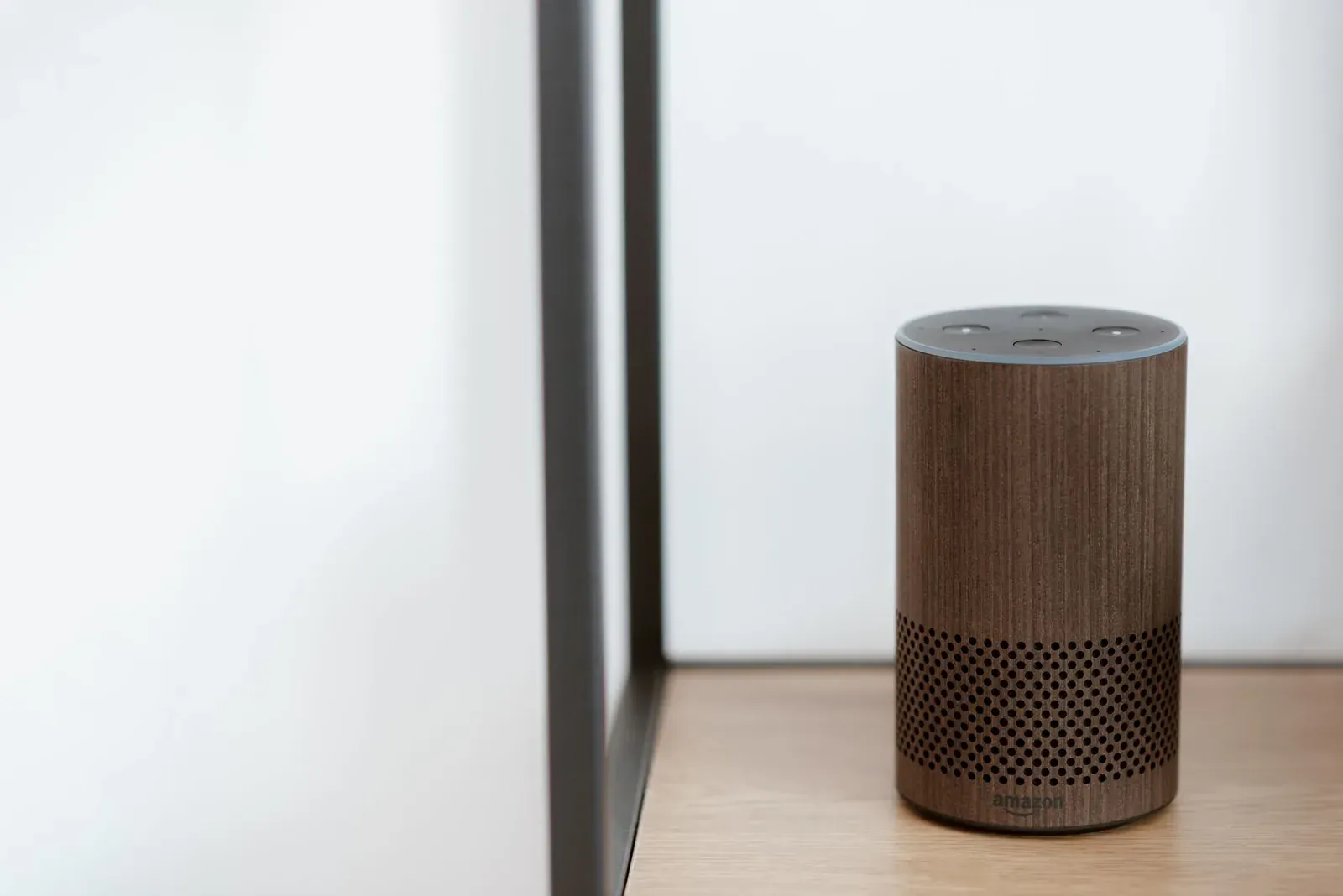
To factory reset most Amazon Echo speakers, press and hold the Action button (the one with a single dot) for about 20–25 seconds until the light ring turns orange, then blue, then settles back to orange to show the device is in setup mode. The exact button and timing vary by model and generation, and Echo Show touchscreens reset through their on-screen settings instead. Below you'll find the method for every common Echo, what a reset actually erases, and how to avoid the most common mistake—resetting a device you no longer have access to in the app.
Before you reset: what a factory reset actually does
A factory reset wipes the Echo's local settings and returns it to out-of-box state. That means it forgets your Wi-Fi credentials, unlinks it from your Amazon account on the device itself, clears any paired Bluetooth connections, and removes locally stored preferences. It does not delete your Alexa account, your routines, your purchase history, or smart-home devices you've added—those live in the cloud and in the Alexa app, not on the speaker.
That distinction matters. If you're troubleshooting a glitchy speaker, a reset is a heavy hammer; a simple restart (unplug for 30 seconds, plug back in) often fixes the same symptoms without forcing you to set everything up again. Reach for a full reset when you're selling or giving away the device, switching it to a new Amazon account, moving it to a network it stubbornly won't join, or chasing a fault that survives a restart.
The fastest method: reset from the Alexa app
If the Echo is still on your account and you can see it in the app, this is the cleanest route because it deregisters and resets in one move—no stopwatch required.
- 1Open the Alexa app and go to the Devices tab
- 2Tap Echo & Alexa, then select the specific device
- 3Open its settings (the gear icon) and scroll to Factory Reset
- 4Confirm, then wait for the device to restart into setup mode
Menu labels move around as Amazon updates the app, so if you don't see “Factory Reset” immediately, look near the bottom of that device's settings page or under a “Deregister” option. Once it's done, the Echo behaves like new and you can re-add it the same way you would a fresh unit—see our walkthrough on setting up an Amazon Echo for the first time.
The hardware method: reset buttons by model
Use the physical method when the Echo won't connect, isn't on your account, or you've bought one secondhand. Amazon has changed the reset procedure several times across generations, so match your device to the table below. When in doubt, the universal fallback for speakers is “hold the Action button (single dot) until the ring cycles to orange.”
| Echo model | How to reset | What you'll see |
|---|---|---|
| Echo Dot (3rd, 4th, 5th gen) | Press and hold the Action button (dot icon) ~20–25 sec | Ring turns orange, then blue, then back to orange |
| Echo (4th gen, sphere) | Hold the Action button ~20–25 sec | Ring turns orange, device announces it's resetting |
| Echo (older / tall cylinder) | Use a paperclip to hold the recessed Reset hole on the base ~5 sec | Ring turns orange, then blue |
| Echo Pop / Echo Dot with clock | Hold the Action button ~20–25 sec | Ring/bar turns orange |
| Echo Show (5, 8, 10, 15) | Swipe down → Settings → Device Options → Factory Reset | On-screen confirmation, then reboot |
| Echo Show (button fallback) | Hold Mute + Volume Down together ~15–20 sec | Amazon logo appears, then reset screen |
| Echo Studio | Hold the Action button ~20 sec | Ring turns orange |
After the ring settles on orange, the Echo is in setup mode and broadcasting its own temporary Wi-Fi network. From there, open the Alexa app, tap to add a device, and follow the prompts to put it back on your network.
After the reset: getting back up and running
Once the device is reset, you'll reconnect it to Wi-Fi and, if needed, re-link any smart-home accounts. A reset is also the right moment to fix a network you've outgrown—if the whole reason you reset was a Wi-Fi change, our guide on connecting Alexa to a new Wi-Fi network covers doing that without a full reset next time.
Your cloud-stored setup mostly survives, but you may need to re-pair the Echo into the right room. If your Alexa device groups look off afterward, re-add the speaker to its group so multi-room audio and group voice commands work again. And if the reason you reset was that Alexa stopped responding to your smart-home devices, check that guide first—the cause is often a cloud or skill issue that a speaker reset won't touch.
Frequently asked questions
Will a factory reset delete my Alexa routines and smart-home devices?
No. Routines, device groups, linked skills, and your list of smart-home devices are stored in your Amazon account and the Alexa app, not on the speaker. The reset only clears what's saved locally on that Echo—Wi-Fi, the account link, and Bluetooth pairings. You can rebuild your automations any time using our guide to creating Alexa routines.
My Echo's light didn't turn orange. What now?
You may be holding the wrong button (use the single-dot Action button, not mute) or releasing too soon—give it a full 20–25 seconds. If nothing happens, unplug the Echo, wait 30 seconds, plug it back in, and try again once it's fully powered up. Older cylinder-style Echos use a recessed reset hole you press with a paperclip rather than a button.
How do I reset an Echo I bought secondhand and can't see in my app?
Use the hardware button method for its model from the table above—you don't need account access to do a physical reset. After it enters setup mode, add it to your account in the Alexa app. If it still shows as “registered to another account,” ask the previous owner to deregister it from their Amazon account online.
Is a reset the same as a restart?
No, and it's worth not confusing them. A restart just power-cycles the device and keeps all your settings—try it first for freezes or unresponsiveness. A factory reset erases the device's local configuration and is meant for ownership changes or stubborn faults a restart can't clear.