How to Pair Two Echo Speakers for Stereo Sound
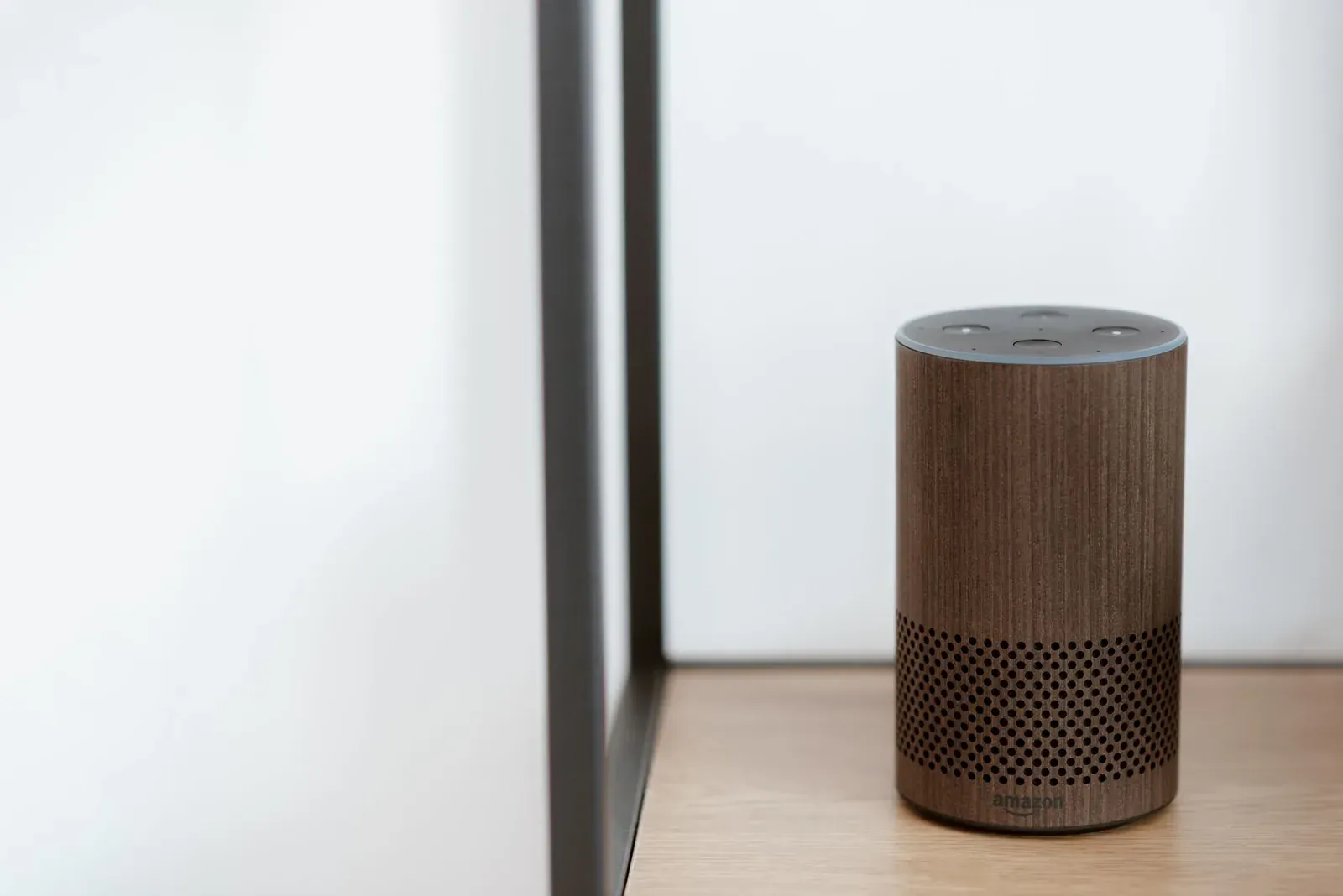
To pair two Echo speakers for stereo sound, you create a stereo pair in the Alexa app using two of the same Echo model. Open the Alexa app, go to the Devices tab, add a combined speaker or stereo pair, select your two speakers, and assign one as the left channel and the other as the right. Alexa then splits the audio so each speaker plays only its half of the stereo field, giving you real left/right separation instead of two mono speakers playing the same thing.
This is different from multi-room music, where several speakers across your home play the same track in sync. A stereo pair is two speakers in one room acting as a single left-and-right system. If whole-home audio is what you actually want, see our guide to Alexa multi-room music instead.
What you need before you start
Amazon's setup flow is strict about matching hardware, and this trips up more people than any other part of the process. A stereo pair requires two speakers of the same model and generation. You cannot pair a 4th-gen Echo with a 3rd-gen Echo, or an Echo Dot with a full-size Echo, because their drivers and tuning differ and Alexa won't offer them as a valid pair.
- Two identical Echo devices — same model, same generation (for example, two Echo Dot 5th Gen, or two Echo 4th Gen).
- Both already set up and registered to the same Amazon account. If either is brand new, run through first-time Echo setup first.
- The same Wi-Fi network for both speakers. Mismatched networks are the most common reason a pair drops audio or won't form.
- A current Alexa app on your phone or tablet.
How to create the stereo pair
The exact wording of menu items changes as Amazon updates the app, so focus on the flow rather than any single button label. You're looking for the option to combine or add speakers, usually reached from the Devices tab.
- 1Open the Alexa app and go to Devices
- 2Add a combined speaker or stereo pair
- 3Pick your two identical Echo models
- 4Assign one Left and one Right
- 5Name the pair and save
- Open the Alexa app and tap the Devices tab along the bottom.
- Tap the plus (+) icon, then choose the option to combine speakers (sometimes shown as "Set Up Multi-Room Music," "Stereo Pair / Subwoofer," or "Add Combined Speaker" depending on your app version).
- Select Stereo Pair when prompted for the type of setup.
- Choose the two matching Echo speakers from the list. Only eligible, identical devices appear here — if one is missing, that's usually a hint it's a different generation or on a different network.
- Assign left and right. The app plays a tone or asks you to confirm which physical speaker is which. Set the one on your left as the left channel and the other as the right. Getting this backward reverses your stereo image, so it's worth doing carefully.
- Name the pair (for example, "Living Room Stereo") and save. From now on, playing music to that name streams true stereo across both units.
Stereo pair vs. multi-room music
These two features get confused constantly, but they solve different problems. Choosing the wrong one is why some people feel "stereo" sounds no different from a single speaker.
- Two identical Echos in one room
- Splits audio into left and right channels
- Acts as one speaker with a single name
- Any mix of Echo models, any rooms
- Every speaker plays the same audio in sync
- Great for whole-home listening, not separation
Positioning your speakers for real stereo effect
Software pairing is only half the job. Because a stereo pair separates left and right channels, physical placement decides whether you actually hear a wider soundstage.
- Space them apart. Place the two speakers a few feet apart, not side by side. Too close and the channels blur back into near-mono.
- Aim at your listening spot. Put them at roughly equal distance from where you usually sit, ideally around ear level.
- Keep them out of corners where possible, since corner reflections muddy the separation the pair is designed to create.
Troubleshooting a stereo pair that won't work
Most stereo-pair problems trace back to hardware mismatch, network drift, or a channel assigned to the wrong side. Work through these in order.
- Only one speaker plays. Check that both are powered, online, and on the same Wi-Fi. If one recently joined a different network, walk it through reconnecting to Wi-Fi.
- Audio is out of sync or stutters. This is almost always a network issue — a weak signal to one speaker or a congested router. Move them closer to the router or reduce Wi-Fi load.
- The pair vanished after an update or move. Sometimes a firmware update or Wi-Fi change dissolves the pair. Delete it in the Devices tab and recreate it from step one.
- One speaker won't respond at all. If it's ignoring commands entirely, our guide on when Alexa stops responding covers deeper fixes, up to a factory reset as a last resort.
Frequently asked questions
Can I pair two different Echo models for stereo?
No. Amazon requires two speakers of the same model and generation for a stereo pair. Mismatched models won't appear together as an eligible pair in the app, because their audio hardware is tuned differently.
Does a stereo pair still respond to "Alexa"?
Yes. Both speakers keep listening, and Alexa's echo-location feature decides which one answers so you don't hear a doubled response. Voice control, routines, and skills all keep working normally.
Can I use a stereo pair in multi-room music?
Yes. Once created, the pair behaves as a single speaker, so you can add it to a multi-room group and it will play its stereo audio in sync with your other rooms.
How do I undo a stereo pair?
Open the Devices tab, select the stereo pair, and choose to remove or dissolve it. Both speakers return to working independently as regular Echos.