Alexa Multi-Room Music: Set Up Speaker Groups (Guide)
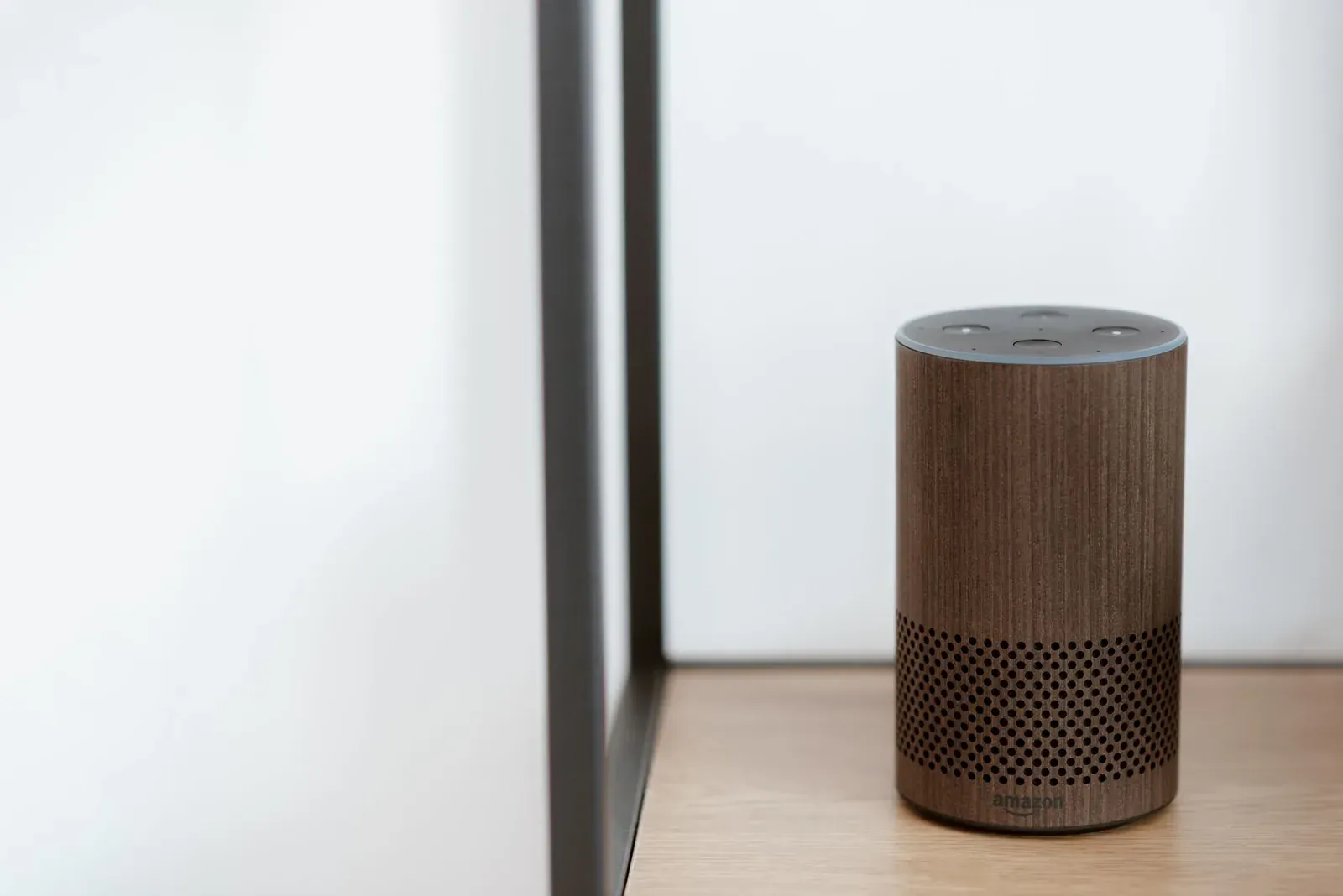
To set up multi-room music on Alexa, you create a speaker group in the Alexa app, add two or more compatible Echo devices to it, give the group a spoken name (like "Downstairs"), and then say "Alexa, play jazz on Downstairs." Alexa streams the same audio to every speaker in that group in sync. The group is just a saved label pointing at a set of devices — you build it once and reuse it forever.
What a speaker group actually is
It helps to understand what you're building before you build it. An Alexa speaker group is a named collection of Echo devices that play the same audio stream at the same time. When you name a group "Whole Home" and say "play music on Whole Home," Alexa sends one synchronized stream to every member. This is different from stereo pairing, where two identical Echoes split into dedicated left and right channels for one room. A group can hold many speakers across many rooms; a stereo pair is two speakers acting as one.
Because the group is only a label, editing it later is painless — you can add a new Echo, remove one, or rename the whole thing without re-doing anything. This is also why we cover the mechanics here separately from our broader walkthrough of how to set up Alexa multi-room music: the group is the reusable building block that everything else sits on top of.
Before you start: requirements
Multi-room music has a few firm requirements that trip people up. Checking these first saves a lot of "why won't it group" frustration.
- Same account and network. Every Echo you want to group must be registered to one Amazon account and connected to the same Wi-Fi. If one Echo is on a guest network or a different account, it won't appear as an option. If a device recently moved networks, our guide on connecting Alexa to a new Wi-Fi network covers that fix.
- Echo devices only. A Bluetooth speaker paired to an Echo, a Fire TV, or a non-Echo smart speaker cannot join a multi-room music group. Groups are Echo-to-Echo.
- A supported music service. Amazon Music, Spotify, Apple Music, and most major services work with groups. If playback fails on the group but works on a single speaker, your default service may be the issue — see how to change Alexa's default music service.
How to create a speaker group
The exact wording of buttons shifts as Amazon updates the app, so follow the intent of each step rather than looking for one precise label.
- 1Open the Alexa app and go to the Devices tab
- 2Tap the add (+) control and choose to combine speakers or set up a speaker group
- 3Select Multi-Room Music (not a stereo/home theater pair)
- 4Check the Echo devices you want in the group
- 5Pick or type a clear group name and save
- Open the Alexa app and go to Devices. This is the tab where all your speakers, groups, and smart-home devices live.
- Start a new combination. Use the add control (usually a + in a corner) and look for the option to combine speakers or create a speaker group.
- Choose Multi-Room Music. You'll typically be offered two paths: a stereo/home theater pairing or a multi-room music group. Pick multi-room music. The stereo option is only for two matching Echoes in the same room.
- Select your speakers. Check every Echo you want included. You can mix models — an Echo Dot and a standard Echo can share a group, though their sound quality will differ.
- Name the group and save. Choose a preset name or type your own. Keep it short and speakable.
Playing and controlling music on a group
Once the group exists, you address it by name. Any of these work:
- "Alexa, play [artist/playlist/station] on [group name]."
- "Alexa, play [group name]." after music is already queued.
- Start playback in the app and cast it to the group from the playback screen.
Volume is where groups behave a little differently. Saying "Alexa, turn it up" to the speaker you're standing near adjusts that one device, not the whole group. To change everyone at once, say "Alexa, set the volume to 5 on [group name]." This per-device control is intentional — it lets you keep the kitchen loud and the bedroom quiet within the same synced stream.
Groups vs. stereo pairs vs. announcements
These three features get mixed up constantly because they all involve multiple speakers. Here's how they differ.
| Feature | What it does | Best for |
|---|---|---|
| Speaker group (multi-room music) | Same audio, synced across many Echoes in many rooms | Whole-home background music |
| Stereo pair | Two matching Echoes split into left/right channels in one room | Richer sound in a single space |
| Announcements / Broadcast | Sends a short voice message to speakers, not continuous audio | Calling everyone to dinner |
If your goal is a quick spoken message rather than music, groups aren't the tool — see Alexa Announcements vs Drop In vs Broadcast. And if you want fuller sound in one room instead of coverage across the house, our guide on pairing two Echo speakers for stereo sound is the better path.
Troubleshooting common problems
Most group issues come down to network sync, naming collisions, or an unsupported member. Work through these in order.
- Speakers play out of sync or echo. This is almost always Wi-Fi. Speakers far from the router, or on a congested 2.4 GHz band, drift out of step. Moving an Echo closer to the router or reducing network load usually resolves it.
- A speaker won't join the group. Confirm it's on the same account and Wi-Fi, and that it's an Echo (not a Bluetooth speaker). Restarting the reluctant device often clears a stale connection.
- Alexa plays on one speaker instead of the group. Usually a naming collision — the group name is too close to a device or room name. Rename the group to something distinct.
- Music won't start at all. Try the same command on a single Echo. If that fails too, the problem is the music service or account link, not the group. If your smart-home commands are also misbehaving, this fix for Alexa not responding to smart-home devices may help.
Frequently asked questions
Can I include a Bluetooth speaker in an Alexa speaker group?
No. Multi-room music groups only synchronize Echo devices. A Bluetooth speaker paired to a single Echo will play only through that one Echo, not across the group. For whole-home audio you need Echo speakers throughout.
How many Echo devices can be in one group?
Amazon doesn't publish a hard cap for typical home use, and most households group anywhere from two to a dozen speakers without trouble. Sync reliability depends far more on your Wi-Fi quality than on the number of speakers.
Can one Echo belong to more than one group?
Yes. A single Echo can be a member of several groups — for example, both "Upstairs" and "Whole Home." Just avoid asking two overlapping groups to play different things at the same time on a shared speaker.
Why does my group name conflict with a routine?
Alexa matches spoken names across devices, groups, and routines. If a group and a routine share a name, Alexa may trigger the wrong one. Keep every name unique. For more on how Alexa interprets ambiguous requests, see Alexa Hunches explained.