How to Change Your Alexa Wake Word (Ziggy, Computer & More)
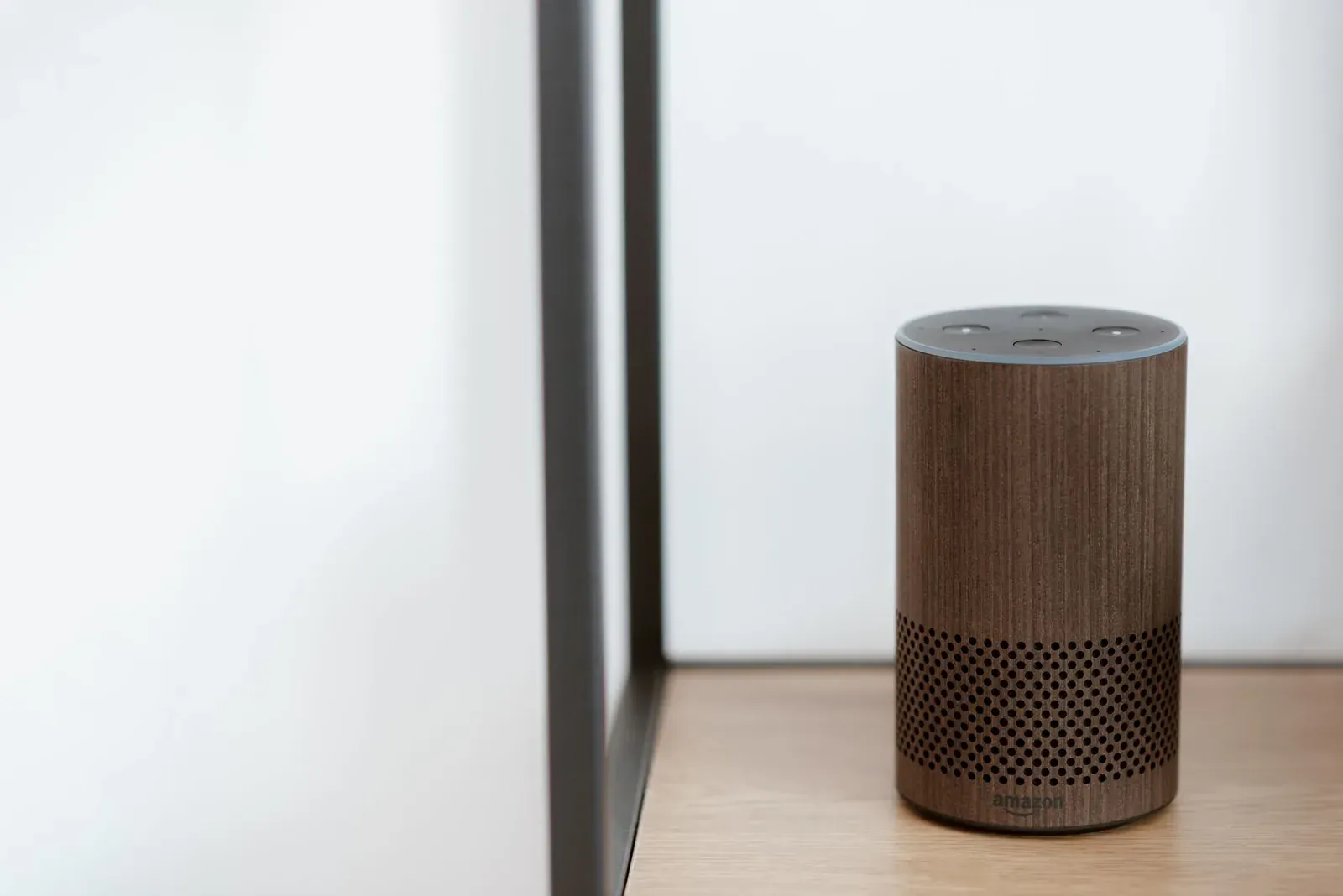
To change your Alexa wake word, open the Alexa app, go to your device's settings, find the Wake Word option, and pick from the four supported choices: Alexa, Amazon, Echo, Computer, or (on many newer Echo devices) Ziggy. The change is set per device, takes effect within a minute or two, and can also be done hands-free by saying, “Alexa, change the wake word.” This guide walks through both methods, explains why you can't use a fully custom word, and covers the quirks that trip people up.
Why Alexa only offers a few wake words
Alexa detects its wake word using an on-device model that constantly listens for one specific sound pattern before any audio is sent to Amazon's servers. That local detection has to be accurate and low-power, so Amazon trains and ships a small set of pre-approved words rather than letting you type in anything you like. This is also why a truly custom wake word (your dog's name, say) isn't possible — the device simply has no model for it.
At the time of writing, the supported options are:
- Alexa — the default
- Amazon
- Echo
- Computer — popular with Star Trek fans
- Ziggy — added later, available on most newer Echo devices
The wake word is stored per device. If you have Echos in several rooms, each one keeps its own setting, which is genuinely useful — more on that below.
Method 1: Change the wake word in the Alexa app
This is the most reliable method because you can see exactly which options your device supports.
- 1Open the Alexa app and go to Devices
- 2Select the specific Echo you want to change
- 3Open that device’s settings (gear icon) and find Wake Word
- 4Pick a new word and confirm
- Open the Alexa app on your phone or tablet and make sure you're signed in to the account that owns the device.
- Go to the Devices area, then choose Echo & Alexa (or your list of speakers) and tap the specific Echo you want to change. The wake word is not a global account setting — you must pick a device first.
- Open that device's settings (usually a gear icon in the top corner). Scroll to Wake Word.
- Tap it, select your preferred word from the list, and confirm. The app will note that the change may take a short moment to apply.
The device typically needs a minute or two — and an active Wi-Fi connection — to download and switch to the new wake-word model. During that window it may still answer to the old word, which is normal.
Method 2: Change it with your voice
You can skip the app entirely. Just say to the device you want to change:
- “Alexa, change the wake word.”
Alexa will ask which word you'd like and read back the supported options. Confirm your choice out loud, and the speaker applies it. This only affects the device you're speaking to — you can't change every Echo in the house with a single voice command. If you have multiple Echos within earshot, the closest one usually responds, so stand near the one you mean to change.
Which wake word should you pick?
There's no “best” word, but a few practical trade-offs are worth knowing before you commit.
| Wake word | Good because | Watch out for |
|---|---|---|
| Alexa | Distinct sound, well-trained, rarely misfires | Awkward if someone in the home is named Alexa |
| Computer | Fun, natural to say | It's a common everyday word, so expect more accidental wake-ups from normal conversation and TV |
| Amazon / Echo | Simple alternatives if “Alexa” is taken in your household | “Amazon” can trigger during shopping talk or ads |
| Ziggy | Uncommon word, so fewer false triggers from normal speech | Not available on some older Echo models |
The pattern here is straightforward: the more your wake word resembles ordinary speech, the more often the device wakes up when you didn't mean it to. “Computer” is the classic example — delightful, but chatty rooms and TV dialogue set it off. If false wake-ups bother you, an unusual word like Ziggy is the safer pick. If you're seeing broader responsiveness problems rather than wake-word issues, our guide on Alexa not responding to smart home devices covers those separately.
Using different wake words in different rooms
Because the setting is per device, you can give each Echo its own word — for example, Computer in the office and Alexa in the kitchen. This is the cleanest fix when two speakers are close enough that a single command wakes both: give them different wake words and each only responds to its own.
It also pairs well with other multi-device features. If you're grouping speakers for audio, see how to set up Alexa multi-room music, and if you use Follow-Up Mode, remember that follow-up only chains commands on the device you first woke — so its wake word still matters.
If the change doesn't stick
A few common snags and how to clear them:
- The option is missing or grayed out. Confirm the device is online and the app is up to date. A device that's offline can't fetch the new wake-word model.
- It still answers to the old word. Give it a couple of minutes. If it persists, restart the Echo by unplugging it briefly.
- Only some words appear. That's a hardware/model limitation, not a bug — older Echos support fewer choices. Newer devices, such as those covered in our Echo Show setup guide, tend to list the full set including Ziggy.
- You changed the wrong speaker. Easy to do by voice in a multi-Echo room — just repeat the change on the correct device via the app, where you can see exactly which one you're editing.
Frequently asked questions
Can I set a completely custom Alexa wake word?
No. Amazon limits you to its trained list — currently Alexa, Amazon, Echo, Computer, and Ziggy on supported devices. Custom words aren't possible because wake-word detection relies on a model that has to be trained and shipped to the device in advance.
Does changing the wake word change anything else?
No. Your routines, smart-home devices, music, and settings all stay the same. Only the word that wakes the device changes. You'll still say the rest of your command normally — for example, “Ziggy, turn off the lights.”
Why does my Echo keep waking up on its own?
Usually because the current wake word (often “Computer” or “Amazon”) sounds like words used in conversation or on TV. Switching to a less common word like Ziggy typically reduces false triggers. This is different from Alexa acting proactively — that's covered in Alexa Hunches explained.
Do I have to change the wake word on every device separately?
Yes. There's no single account-wide setting — each Echo is configured on its own, either in that device's settings in the Alexa app or by speaking to it directly. That's what lets you run different wake words in different rooms.