Alexa Follow-Up Mode Explained: Two Commands, One Wake Word
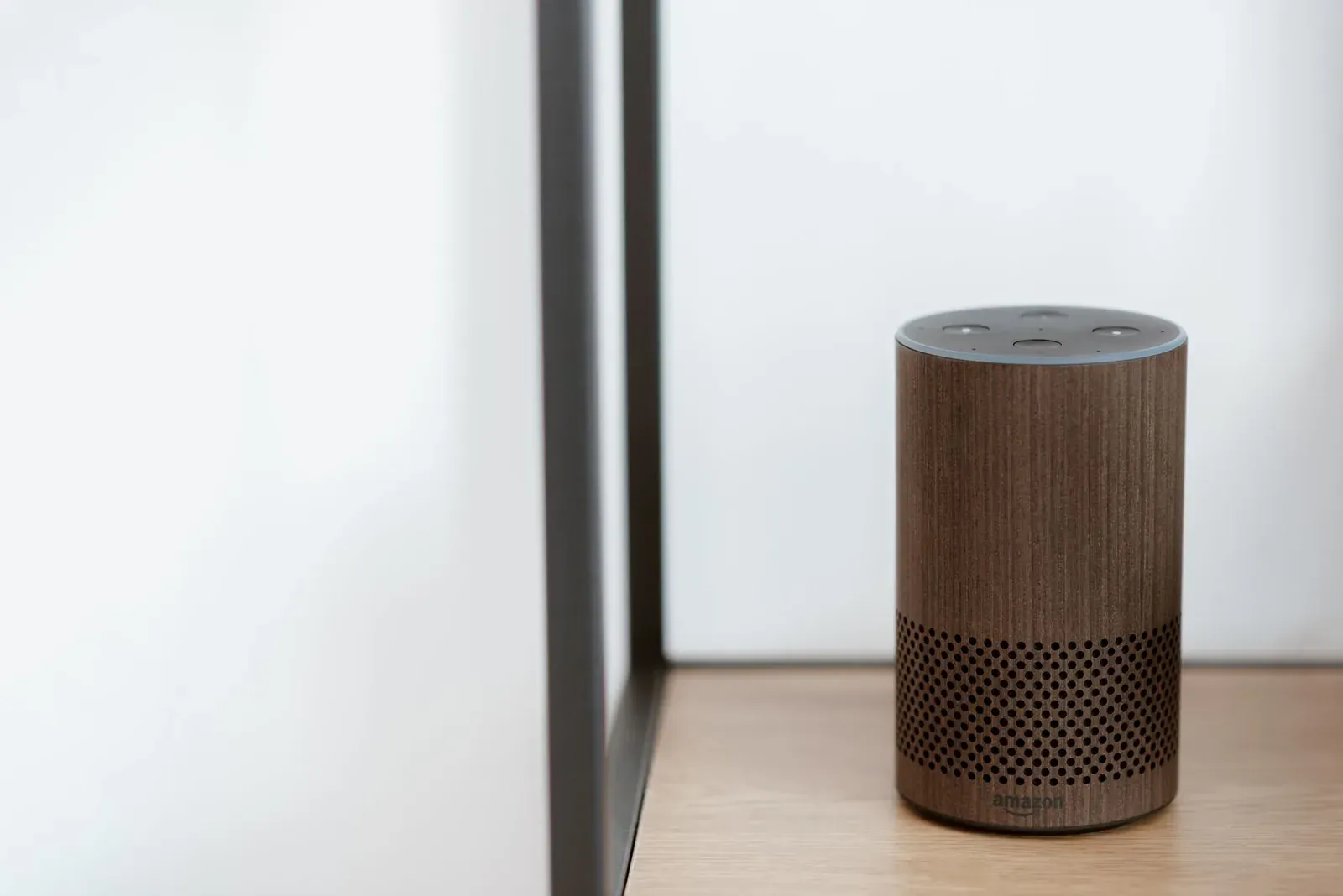
Alexa Follow-Up Mode is a setting that keeps your Echo listening for a few extra seconds after it finishes a response, so you can give a second (or third) command without saying the wake word "Alexa" again. When it's on, the device's light ring briefly stays active after Alexa replies, signaling that it's still waiting. Say your next request during that window and it processes normally. It's an opt-in feature you toggle per device in the Alexa app, and it's designed for back-to-back requests like turning off the lights and then setting an alarm.
What Follow-Up Mode actually does
Normally, every interaction with Alexa starts fresh: you say the wake word, the ring lights up blue, you give a command, Alexa acts, and the ring turns off. To do anything else, you say "Alexa" again. Follow-Up Mode changes only the last part of that cycle. Instead of switching the microphone off the instant it finishes speaking, the device holds the listening state open for roughly five seconds. If it hears speech directed at it during that pause, it treats it as a new command in the same session.
You can usually tell the mode is engaged because the blue light ring lingers or reappears briefly after Alexa responds, rather than fading immediately. If nothing is said, the window closes on its own and the device returns to passively waiting for the wake word. Understanding the ring behavior helps here — our guide to Alexa light ring colors explains what the blue and cyan indicators mean.
How to turn Follow-Up Mode on or off
Follow-Up Mode is set per device, so you can enable it on a kitchen Echo where you rattle off several requests while cooking and leave it off on a bedroom unit where you'd rather not have the mic linger. The controls live under your device settings in the Alexa app. Amazon occasionally reorganizes these menus, so navigate by the labels rather than memorizing an exact screen path.
- 1Open the Alexa app and go to Devices
- 2Select the specific Echo you want to change
- 3Open that device’s settings (the gear icon)
- 4Find “Follow-Up Mode” and toggle it on or off
The change takes effect immediately and stays tied to that one device. If you have several Echo speakers, repeat the steps on each one you want to configure. If you're still getting set up, our walkthroughs for setting up an Amazon Echo for the first time and setting up Alexa on an Echo Show cover the earlier steps.
What triggers — and closes — the follow-up window
The listening window isn't unconditional. Amazon built in a few behaviors to keep it from grabbing unrelated conversation:
- It won't reopen after certain responses. If your command was a stop request — say, "Alexa, stop" during music or a timer — the device generally doesn't keep listening, since "stop" usually means you're done.
- Background speech can end it early. If Alexa determines the follow-up audio wasn't directed at it, it closes the window rather than acting on stray conversation. This filtering isn't perfect, which is the main tradeoff discussed below.
- The timer is short. The extra listening period is only a few seconds. If you pause to think, the window usually closes and you'll need the wake word again.
- It stacks with your reply, not the wake word. You still start every session with "Alexa." Follow-Up Mode only removes the wake word from the second command onward.
When it helps and when to skip it
Follow-Up Mode shines for short bursts of related requests. Think of a morning routine at a kitchen counter: "Alexa, what's the weather?" … "Turn on the kitchen lights" … "Add coffee filters to my shopping list." Without the mode you'd prefix each one with the wake word; with it, you speak naturally. It pairs well with tasks like setting reminders and controlling smart-home devices, where you often issue several commands in a row.
It's less ideal in rooms with a lot of ambient talk or media playing, where the open window is more likely to pick up speech you didn't intend as a command. It's also worth thinking about alongside other listening-related features. For a broader picture of how Alexa initiates and manages spoken interactions, see our explainers on Alexa Hunches and adaptive features and Announcements, Drop In, and Broadcast.
- Chain multiple commands with one wake word
- Faster for routines and cooking
- Slightly higher chance of catching stray speech
- Every command needs “Alexa” first
- Mic returns to passive listening instantly
- Less likely to react to background talk
How it differs from wake-word listening and other features
It's easy to confuse Follow-Up Mode with the always-on wake-word detection that every Echo uses. The distinction matters for both convenience and privacy. Wake-word detection runs continuously and locally on the device, listening only for "Alexa" (or your chosen wake word) before it streams anything to the cloud. Follow-Up Mode is a brief, deliberate extension of an already active session — it doesn't make the device listen more overall; it just skips the re-triggering step for a few seconds after a genuine interaction you started.
| Behavior | Wake-word listening | Follow-Up Mode |
|---|---|---|
| When it's active | Always, in the background | ~5 seconds after a response |
| Needs "Alexa" first? | Yes, to start any session | Only for the first command |
| Set per device? | Always on by design | Yes, opt-in toggle |
| Main purpose | Start an interaction | Continue one without re-triggering |
Follow-Up Mode also isn't the same as Brief Mode or Whisper Mode, which change how Alexa responds rather than how long it listens. If you're tuning Alexa's conversational feel, our guide to Brief Mode and Whisper Mode is a useful companion.
Troubleshooting Follow-Up Mode
If the mode doesn't seem to work, a few common causes are usually behind it:
- The command ended the session. "Stop," "cancel," and similar closers intentionally don't keep listening.
- You paused too long. Speak your follow-up within a couple of seconds of Alexa finishing its reply.
- The toggle is off on that specific device. Because it's per-device, an Echo you recently added won't inherit the setting from another.
- Connectivity hiccups. If Alexa is generally slow or unresponsive, follow-ups suffer too. Our fixes for when Alexa stops responding to smart-home devices and for reconnecting Alexa to Wi-Fi can help.
Frequently asked questions
Does Follow-Up Mode make Alexa listen more?
Not meaningfully. The device already listens locally for the wake word all the time. Follow-Up Mode only holds an active session open for a few seconds after a response you initiated, so it extends an existing interaction rather than adding new background listening.
Why doesn't Alexa keep listening after I say "stop"?
Stop and cancel commands are treated as end-of-interaction signals. Amazon designed Follow-Up Mode to close the window after them, since you're usually finished when you tell Alexa to stop something.
Can I turn it on for all my Echo devices at once?
No. Follow-Up Mode is configured per device in the Alexa app, so you'll enable or disable it separately on each Echo you want to change. This lets you keep it on where it's convenient and off where it isn't.
Does Follow-Up Mode work on Echo Show and other Alexa devices?
It's available on Echo family devices that support the setting, including screen-based models like the Echo Show. If you don't see the toggle on a particular device, check that the device is up to date and look under that specific device's settings in the Alexa app.