How to Set Up Alexa Sunrise and Sunset Routines (Guide)
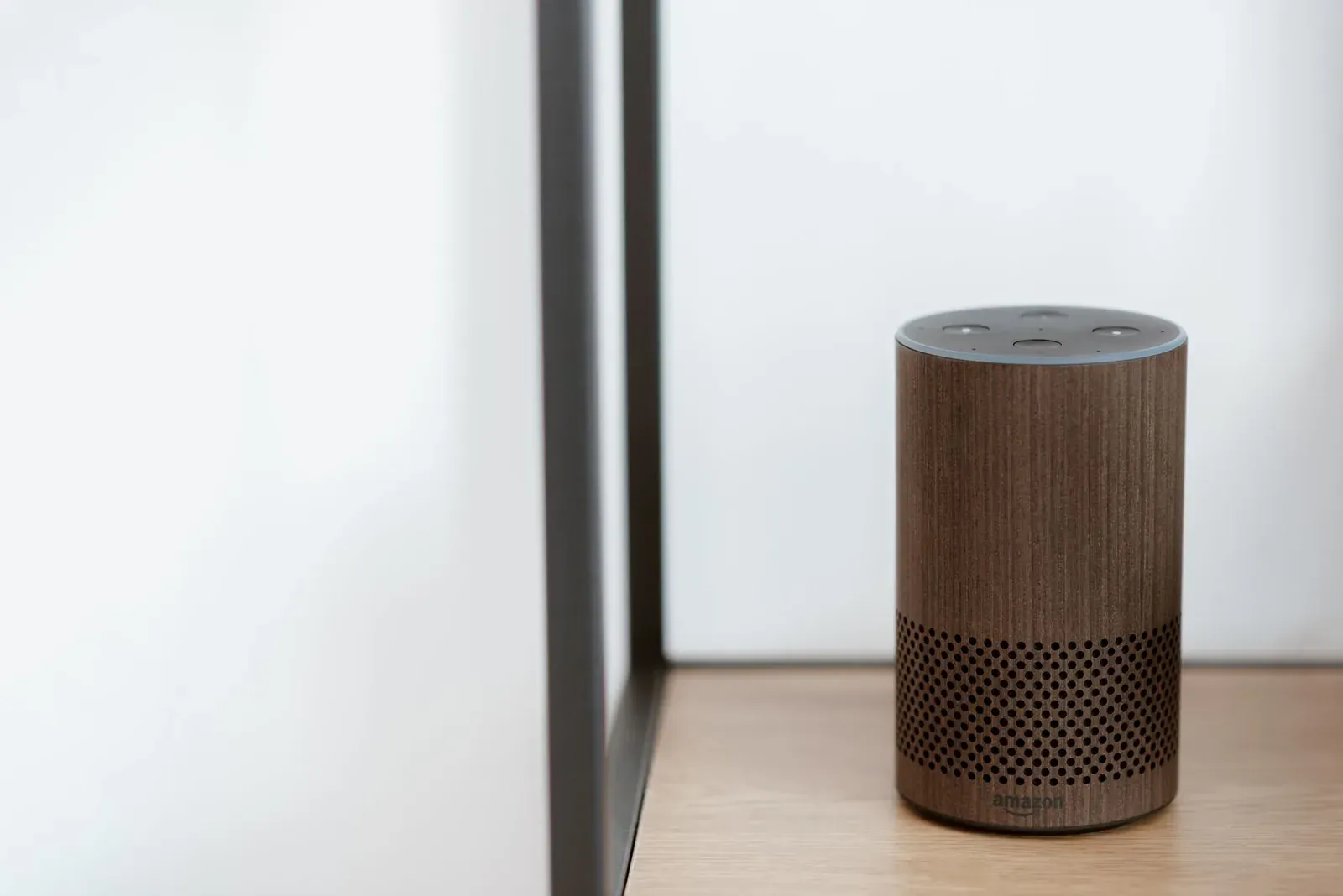
To set up sunrise and sunset routines in Alexa, open the Alexa app, go to More → Routines, create a new routine, and choose Sunrise or Sunset as the trigger under the schedule options. Because these triggers follow the actual sun times for your location, they automatically shift a little earlier or later every day — so lights that come on "at sunset" in June will fire much later than in December, with no manual editing. The key requirement is that your Echo (or the app) has an accurate location set, since that’s what Alexa uses to calculate the sun times.
Why sun-based routines beat fixed times
A routine set for a fixed clock time — say 6:00 p.m. — is only "right" for a couple of weeks a year. In summer your lamps switch on while it’s still bright outside; in winter you sit in the dark for an hour before they trigger. Sunrise and sunset triggers solve this by anchoring the routine to your local astronomical times, which Alexa recalculates daily from your location. That makes them ideal for outdoor lighting, porch lights, blinds, and "good morning" lighting that should track the seasons on its own.
This is different from Alexa’s Hunches and adaptive features, which act on inferred patterns rather than a fixed astronomical event. Sun triggers are predictable and repeatable — you always know roughly when they’ll fire.
Before you start: what you need
- The Alexa app signed in to your Amazon account.
- At least one Echo device, or the app itself, set up and online. If you’re starting fresh, see how to set up an Amazon Echo for the first time.
- Any smart devices or scenes you want to control already added to Alexa. If they’re unresponsive, fix that first — a routine can only run devices Alexa can actually reach.
- A correct address/location on the device, which is what powers the sun-time math.
How to create a sunset routine (step by step)
- 1Open More then Routines and tap the plus to add a routine
- 2Name it, then set the trigger to Schedule and choose Sunset
- 3Add an offset if you want (e.g. 15 minutes before)
- 4Add the actions: turn on lights, set a scene, or adjust a plug
- 5Pick the device to run any spoken part, then save
- In the Alexa app, open More, then Routines.
- Tap the + (add) button to create a new routine and give it a clear name like "Sunset Lights."
- Under When this happens, choose Schedule. Alongside the option to set a specific time, you’ll see Sunrise and Sunset. Select Sunset.
- Set the offset if you want the routine to run a set number of minutes before or after actual sunset. Many people choose 10–30 minutes before sunset so lights are already on as it gets dim.
- Choose which days it should repeat (every day, weekdays, etc.).
- Under Add action, pick what should happen — turn on lights, activate a lighting scene, close a blind, or run a smart plug. You can stack several actions in one routine.
- Save the routine. Repeat the process with Sunrise selected for a matching morning routine.
Setting a useful offset
The offset is what makes these routines feel polished. Sunset technically happens when the sun dips below the horizon, but it’s still fairly light for a while afterward, and it gets genuinely dark before that in shaded yards or on cloudy days. A negative offset (before the event) is usually more practical than firing exactly at the astronomical time.
| Goal | Trigger | Suggested offset |
|---|---|---|
| Porch light on before dusk | Sunset | 15–30 min before |
| Wake-up / morning lights | Sunrise | 0 to 15 min before |
| Turn outdoor lights off at dawn | Sunrise | At or shortly after |
| Evening "scene" for ambiance | Sunset | At sunset or slightly after |
Pairing sunrise and sunset routines
The most reliable setup is two separate routines: one on the sunset trigger that turns things on, and one that turns them off — either on sunrise or a fixed late-night time. Keeping "on" and "off" in different routines avoids the common mistake of expecting a single routine to both start and end an action. If your morning routine also plays news or announcements, you might combine it with other habits; our guides on Alexa reminders and announcements vs. Drop In vs. Broadcast explain how to layer spoken elements without them clashing.
When a sun routine doesn’t fire
Most failures trace back to location or device reachability rather than the trigger itself.
- Wrong or missing location. If the device address is blank or set to a default, the calculated sun times will be off — sometimes by hours. Confirm the device location in the app’s device settings.
- The device went offline. A sun trigger can’t run actions on gear Alexa can’t reach. If lights stopped responding generally, work through why Alexa stopped responding to smart home devices.
- Wi-Fi changed. If you moved or swapped routers, the Echo may be offline entirely. See how to connect Alexa to a new Wi-Fi network.
- Time zone mismatch. A device on the wrong time zone will compute sun times for the wrong place; check the time-zone setting alongside the address.
Frequently asked questions
Does Alexa know my exact sunrise and sunset times?
Alexa calculates them from the location saved on your device, so accuracy depends on that address being correct. It uses the astronomical sunrise/sunset for that spot, recalculated each day, which is why the trigger drifts naturally through the seasons.
Can I run a routine a set time before sunset?
Yes. When you pick the Sunrise or Sunset trigger, you can add an offset of minutes before or after the event. Choosing "before sunset" is a common way to have lights on while it’s still dimming rather than after full dark.
Do I need a smart home hub for this?
No hub is required for the trigger itself — any Echo or the Alexa app can run a scheduled routine. You only need whatever hub or bridge your specific lights or blinds require to connect to Alexa in the first place.
Why did my sunset routine stop after I moved?
Almost always a location or Wi-Fi issue. Update the device’s saved address and time zone so the sun times recalculate for the new area, and confirm the Echo reconnected to your network.