Zigbee vs Z-Wave vs Thread: Which Protocol to Use?
If you're choosing a low-power wireless protocol for new smart-home devices today, Thread is the safest long-term bet for most people, because it's the radio layer behind Matter and is increasingly built into hubs, speakers, and routers you may already own. Zigbee still makes sense if you want the widest, cheapest selection of devices right now and don't mind running a dedicated hub. Z-Wave is worth it mainly for whole-home reliability and dense mesh installs, especially where you want a separate radio band that won't fight with Wi-Fi. None of these are "better" in every situation — the right answer depends on what you already own and how you plan to expand.
What these three protocols actually are
All three are low-power, low-bandwidth mesh networking standards built for the small bursts of data that smart-home gear sends — "on," "off," "23°C," "motion detected." They are not meant to stream video or carry large files, which is why your camera and TV stay on Wi-Fi. In a mesh, mains-powered devices (smart plugs, bulbs, wired switches) relay messages for each other, so coverage grows as you add more devices.
- Zigbee is an open standard maintained by the Connectivity Standards Alliance (the same group behind Matter). It runs on 2.4 GHz and has the largest installed base of affordable devices.
- Z-Wave is managed by the Z-Wave Alliance and runs on sub-1 GHz frequencies (around 900 MHz in the US). Its certification has historically been stricter, which tends to make cross-brand behavior more predictable.
- Thread is a newer IP-based mesh from the Thread Group. It also runs on 2.4 GHz, but unlike the other two, every device gets its own IPv6 address — which is exactly what lets Matter ride on top of it.
For a standards-level view of how these stack up against Matter itself, see our companion piece on Matter vs Zigbee vs Z-Wave.
Side-by-side comparison
The table below summarizes the practical differences. Treat range and device-count figures as general guidance from the standards bodies and manufacturer documentation — real-world results vary with walls, interference, and hardware.
| Factor | Zigbee | Z-Wave | Thread |
|---|---|---|---|
| Frequency band | 2.4 GHz | Sub-1 GHz (~908 MHz in US) | 2.4 GHz |
| Wi-Fi interference risk | Higher (shares band) | Low (separate band) | Higher (shares band) |
| Range per hop | Shorter indoors | Longer through walls | Shorter indoors |
| Carries Matter natively? | No (needs a bridge) | No (needs a bridge) | Yes |
| Hub / coordinator needed? | Yes (Zigbee hub) | Yes (Z-Wave hub) | Border router (often built into devices you own) |
| Device selection today | Largest, cheapest | Strong, often pricier | Growing fast |
| Governing body | Connectivity Standards Alliance | Z-Wave Alliance | Thread Group |
The band question: why Z-Wave behaves differently
This is the most important technical distinction. Zigbee and Thread share the 2.4 GHz band with Wi-Fi, Bluetooth, microwaves, and your neighbors' networks. In a dense apartment building, that congestion can cause occasional dropped commands or sluggish responses — though good channel selection on your router and hub usually keeps it manageable.
Z-Wave's sub-1 GHz band is far less crowded, and lower frequencies generally pass through walls and floors more effectively. That's why Z-Wave has a reputation for steady, long-range reliability in larger or older homes. The trade-off is a smaller device catalog and typically higher prices.
- Huge, inexpensive device selection
- Shares the band with Wi-Fi, so congestion is possible in dense areas
- Quiet band with less interference
- Better wall penetration and per-hop range, but fewer and pricier devices
The hub question: who's the brain?
None of these protocols talk to your phone directly — each needs a coordinator that bridges the mesh to your home network and apps.
- Zigbee and Z-Wave require a dedicated hub or a hub-equipped device (for example, certain SmartThings or Aqara hubs include Zigbee, and some include Z-Wave). If that hub goes offline, the mesh stops responding to the outside world.
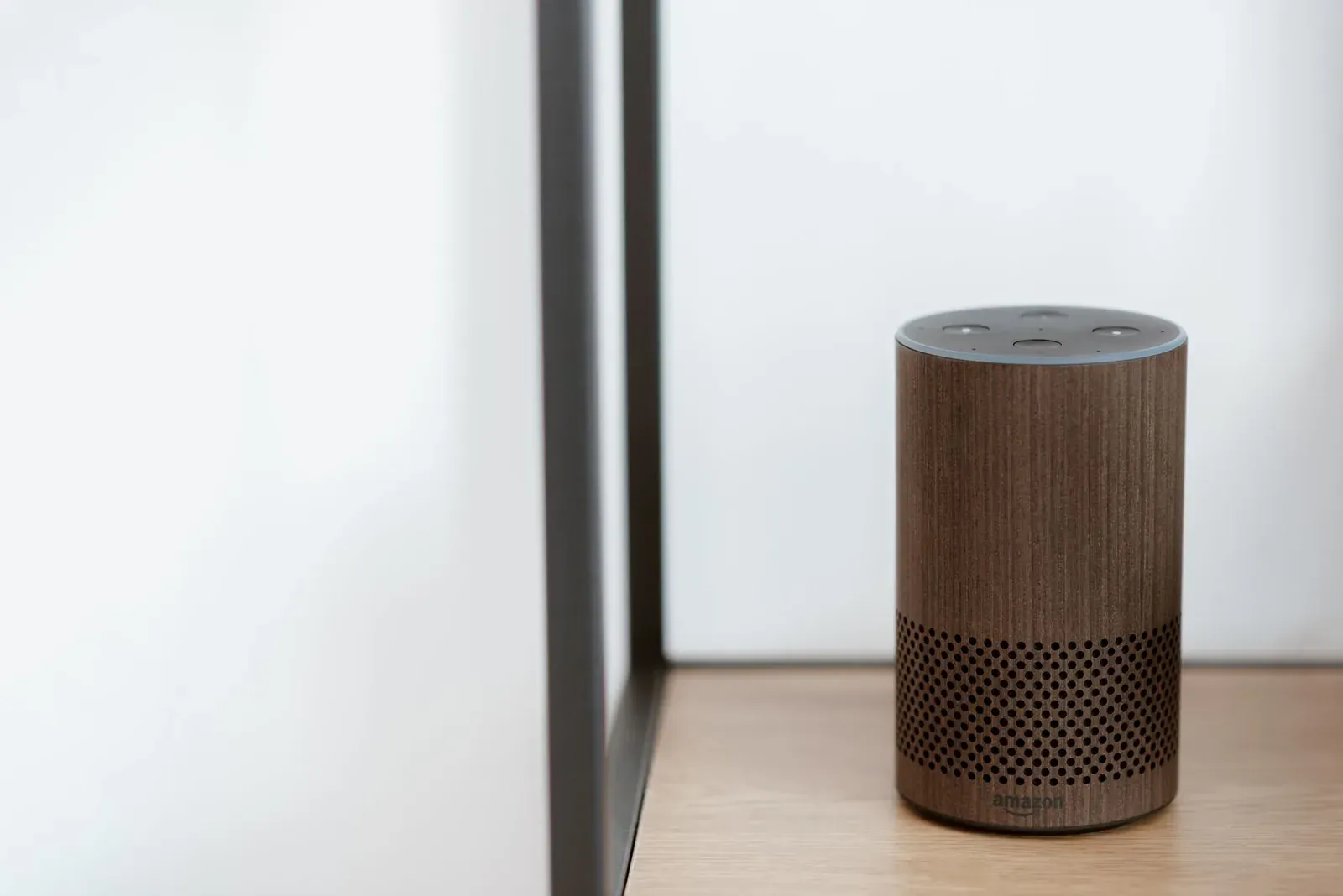
- Thread needs a Thread border router rather than a traditional hub. The key difference: border routers are already baked into many devices people own — recent Apple HomePods and Apple TVs, several Echo and Nest devices, and some Wi-Fi routers. Check our list of Thread border routers you may already own before buying anything new.
You can also bring older Zigbee or Z-Wave gear into a Matter setup using a Matter bridge, which translates those devices so Alexa, Google Home, and Apple Home can see them.
Where Matter and Thread change the calculation
Here's the strategic point. Matter is the cross-ecosystem application layer — the "language" that lets one device work in Alexa, Google, and Apple at once via multi-admin. Matter runs over Wi-Fi and over Thread. It does not run natively over Zigbee or Z-Wave.
That means a new Thread device can usually be a Matter device out of the box, joining your ecosystems directly. New Zigbee and Z-Wave devices can still participate, but only through a bridge that exposes them to Matter. Neither is wrong — but if you're buying for the long term and want minimal middlemen, Thread plus Matter is the cleaner path. For the nuances of that radio choice, see Matter over Wi-Fi vs Matter over Thread.
Which should you choose?
Match the protocol to your situation rather than chasing a single winner:
- Choose Thread if you're starting fresh, want devices that work across Alexa/Google/Apple, and value future-proofing. Confirm you have at least one border router first. This is our default recommendation for most new buyers.
- Choose Zigbee if you want the widest, cheapest selection today — bulbs, sensors, plugs — and you're comfortable running a dedicated hub. It's a proven, mature ecosystem, and a Matter bridge keeps it relevant.
- Choose Z-Wave if reliability across a large or multi-story home matters more than catalog size, and you want a band that won't compete with your Wi-Fi. It's especially popular for door locks and whole-home automation.
- Mix them. Many platforms (like Home Assistant and SmartThings) support more than one radio, so you don't have to commit to just one. Buy the best device for each job and let the hub sort it out.
If you're still weighing whether the broader Matter ecosystem is ready for you, our honest take on whether Matter is worth it in 2026 and what Matter still can't do are good next reads.
Frequently asked questions
Can Zigbee, Z-Wave, and Thread devices talk to each other?
Not directly — they're different radio protocols. They can work together in one home through a controller that speaks multiple protocols (such as Home Assistant or certain SmartThings hubs) or through Matter bridges that translate older devices into the Matter ecosystem.
Is Thread going to replace Zigbee and Z-Wave?
Not soon. Thread has momentum because of Matter, but Zigbee's enormous device library and Z-Wave's range advantages mean both will be sold and supported for years. Think of Thread as the forward-looking option, not an instant replacement. Our deeper Thread vs Zigbee comparison covers this trade-off in detail.
Do I need a separate hub for each protocol?
Often yes. Zigbee and Z-Wave each need a compatible coordinator, and Thread needs a border router. The good news is that single devices increasingly combine radios, and Thread border routers are commonly built into speakers, streaming boxes, and routers you may already own.
How do I know if a device is Thread or Matter before buying?
Check the packaging and product listing for the Matter and Thread logos, and confirm which ecosystems the manufacturer lists. Our guide on how to tell if a device is Matter-compatible walks through exactly what to look for.