What Is a Matter Bridge, and When Do You Need One?
A Matter bridge is a hub that takes devices which don't speak Matter on their own — Zigbee bulbs, Wi-Fi plugs, or a manufacturer's proprietary gear — and re-presents them to your smart-home platforms as if they were native Matter devices. The bridge does the translating: your existing accessories keep talking their original language to the hub, and the hub talks Matter to Alexa, Google Home, Apple Home, or SmartThings. You need one mainly when you want to use older or non-Matter devices inside a Matter ecosystem without replacing them.
How a Matter bridge actually works
Matter is a unifying application standard, but it doesn't replace every wireless protocol underneath it. Plenty of smart-home gear — especially Zigbee lighting and sensors, Z-Wave locks, and Wi-Fi devices built before Matter existed — has no way to speak Matter directly. A bridge solves that mismatch.
Under the hood, the bridge maintains its own network of accessories using whatever protocol they were designed for. It then publishes those accessories over Matter as a set of "bridged endpoints." To a Matter controller, the bridge looks like one device that happens to contain many child devices. When you tell Google Home to turn off a bridged bulb, the command travels as Matter to the bridge, and the bridge forwards it as a Zigbee (or Wi-Fi, or proprietary) command to the bulb.
The classic example is the Philips Hue Bridge. Hue bulbs are Zigbee, not Matter. Once you enable Matter on the Hue Bridge, every paired bulb shows up in your Matter platform through that single bridge connection — no per-bulb pairing required.
What a bridge is — and isn't
It's easy to confuse a Matter bridge with a Thread border router, because some products are both. They solve different problems:
- A Matter bridge translates non-Matter devices into Matter. It's about protocol conversion.
- A Thread border router routes traffic between a Thread mesh and your home network for devices that already speak Matter over Thread. It's about connectivity, not translation.
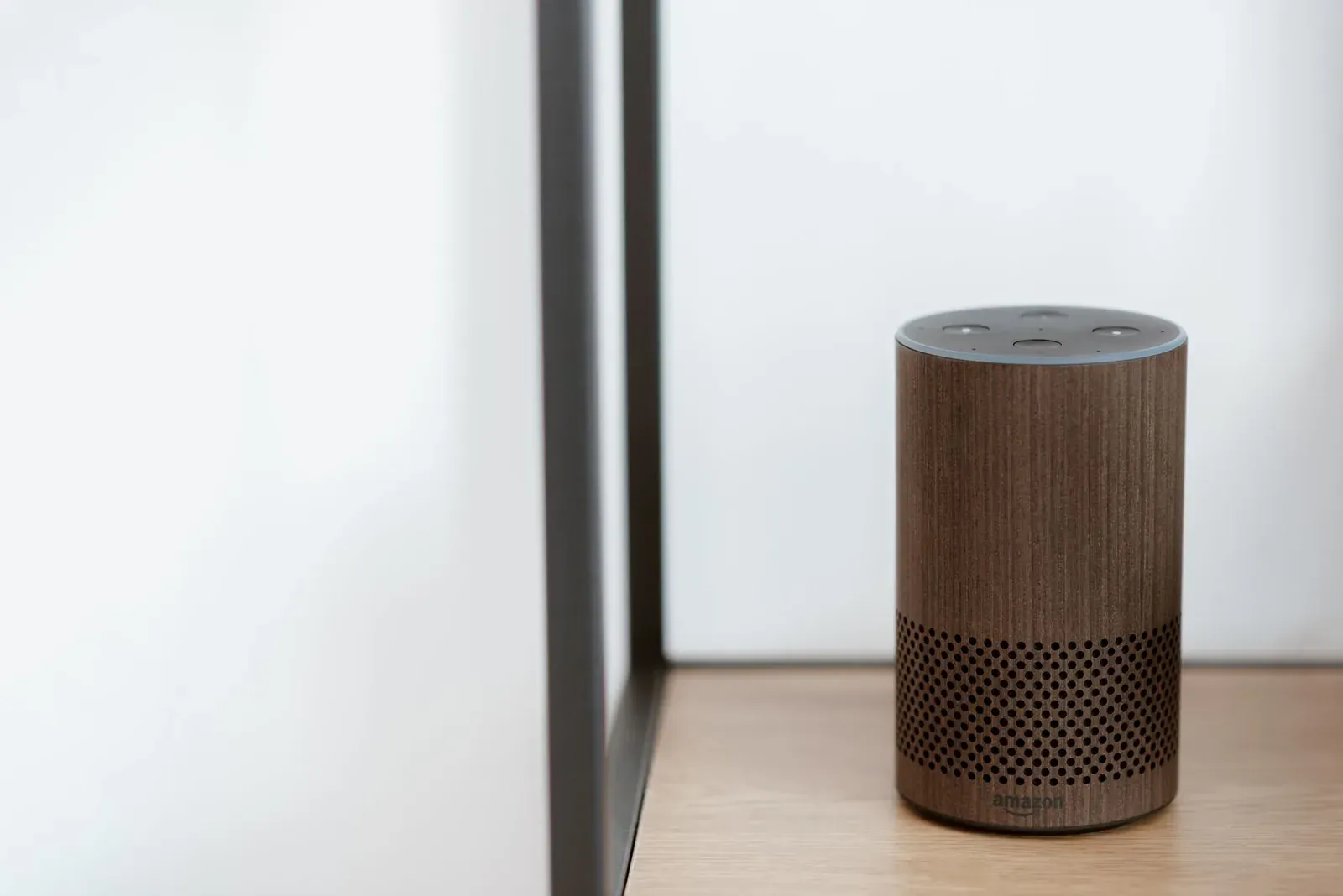
A device like Amazon's Echo or Apple's HomePod can act as a Thread border router. A Philips Hue Bridge acts as a Matter bridge. Some hubs (certain Aqara and SmartThings models) can do both jobs at once. If you're unsure which you need, our guides on what a Thread border router is and Matter vs Thread draw the line clearly.
When you actually need a Matter bridge
You need a bridge in these situations:
- You own non-Matter devices you don't want to replace. Zigbee bulbs, older Wi-Fi plugs, or Z-Wave sensors can join a Matter platform through a compatible bridge instead of being thrown out.
- You want a single app for everything. If half your home is Matter-native and half is locked in a manufacturer app, a bridge can pull the older half into the same Matter controller.
- You're mixing ecosystems. A bridge that exposes Matter lets the same devices appear in Alexa, Google, and Apple at once — the foundation for Matter multi-admin.
You probably don't need one when your devices are already Matter-certified. A Matter-native bulb or plug pairs directly with your platform — see how to add a Matter device — and adding a bridge in front of it would only add a point of failure.
- Pairs directly with each platform, no extra hub
- Updated by the device maker’s own firmware
- One fewer thing that can go offline
- Reaches Matter through a translating hub
- Lets you keep existing Zigbee/Wi-Fi gear
- Depends on the bridge staying online and supported
What gets bridged — and what doesn't
A common surprise: not every feature of a device survives the trip across a bridge. Matter defines standard device types (on/off light, dimmable light, contact sensor, lock, and so on), and a bridge can usually only expose capabilities that map to those types. Manufacturer-specific extras — a bulb's special effects, a sensor's custom sensitivity settings, or vendor scenes — often stay inside the original app and don't appear on the Matter side.
In practice that means you may keep the manufacturer app for advanced configuration while using your Matter platform for everyday control and automations. It's a trade-off worth knowing before you assume a bridge gives you 100% of a device's functionality.
Setting up a bridge, in broad strokes
Exact steps vary by product and apps change often, but the general flow is consistent. Always follow the manufacturer's current setup documentation for the specifics.
- 1Update the hub’s firmware and enable its Matter feature in the manufacturer app
- 2Have the app generate a Matter pairing code (QR or numeric)
- 3In the Alexa, Google Home, or Apple Home app, choose to add a Matter device and scan that code
- 4Confirm the bridged accessories appear, then organize them into rooms
Because a bridge brings many devices in through one connection, a stable home network matters more than usual — if the bridge drops, everything behind it drops with it. Our notes on keeping a hub from disconnecting are worth a look if your bridge is flaky.
Bridges and the bigger Matter picture
Bridges are a transitional technology by design. The Connectivity Standards Alliance built bridging into Matter specifically so the standard could absorb the enormous installed base of Zigbee and Wi-Fi devices instead of demanding everyone start over. Over time, as more accessories ship Matter-native, fewer people will need a bridge for new purchases. But for the millions of existing Zigbee and Wi-Fi devices already in homes, bridges are the practical on-ramp.
If you're deciding between standards for new gear, our comparison of Matter vs Zigbee vs Z-Wave and our look at whether you still need a hub can help you avoid buying something you'll need to bridge later.
Frequently asked questions
Is a Matter bridge the same as a Thread border router?
No. A bridge translates non-Matter devices into Matter; a Thread border router connects a Thread mesh to your network for devices that already speak Matter over Thread. Some hubs do both, but they're separate functions. You may already own a border router — see border routers you may already own.
Do I need a bridge if my devices are already Matter-certified?
No. Matter-native devices pair directly with Alexa, Google Home, or Apple Home without an intermediary. Adding a bridge in front of them would only introduce an extra dependency.
Will every feature of my device work through a bridge?
Not always. Bridges expose capabilities that map to standard Matter device types. Vendor-specific features — special lighting effects, custom sensor settings, proprietary scenes — often remain only in the manufacturer's app.
Can a bridge share my devices with more than one platform?
Yes. Because the bridge exposes devices over Matter, those devices can be added to several ecosystems at once through Matter multi-admin, so the same bulb works in Alexa and Apple Home together.