Matter vs Thread: What's the Difference?
People use “Matter” and “Thread” as if they’re the same thing, but they solve different problems. Matter is the common language your smart-home devices speak; Thread is one of the networks that carries that language. You can use Matter without Thread, and Thread without Matter — but together they’re the backbone of where the smart home is heading.
What Matter actually is
Matter is an open smart-home standard developed by the Connectivity Standards Alliance, with Amazon, Apple, Google, Samsung and hundreds of other members behind it. Its job is interoperability: a Matter-certified light bulb should pair and work the same way whether you control it from Alexa, Google Home, Apple Home or SmartThings.
Crucially, Matter is an application layer — it defines how devices describe themselves ("I am a dimmable light") and how commands are sent, but not the radio they use to do it.
What Thread actually is
Thread is a wireless networking technology — like Wi-Fi or Zigbee, but designed specifically for low-power smart-home devices. Two things make it stand out:
- It's a mesh. Mains-powered Thread devices relay traffic for each other, so the network gets more reliable as you add devices.
- It's self-healing. If one device drops off, traffic reroutes automatically through another path.
Because Thread devices sip power, battery sensors can run for a long time. But Thread on its own can't reach the internet — it needs a border router to bridge the Thread mesh to your home Wi-Fi or Ethernet.
How they work together
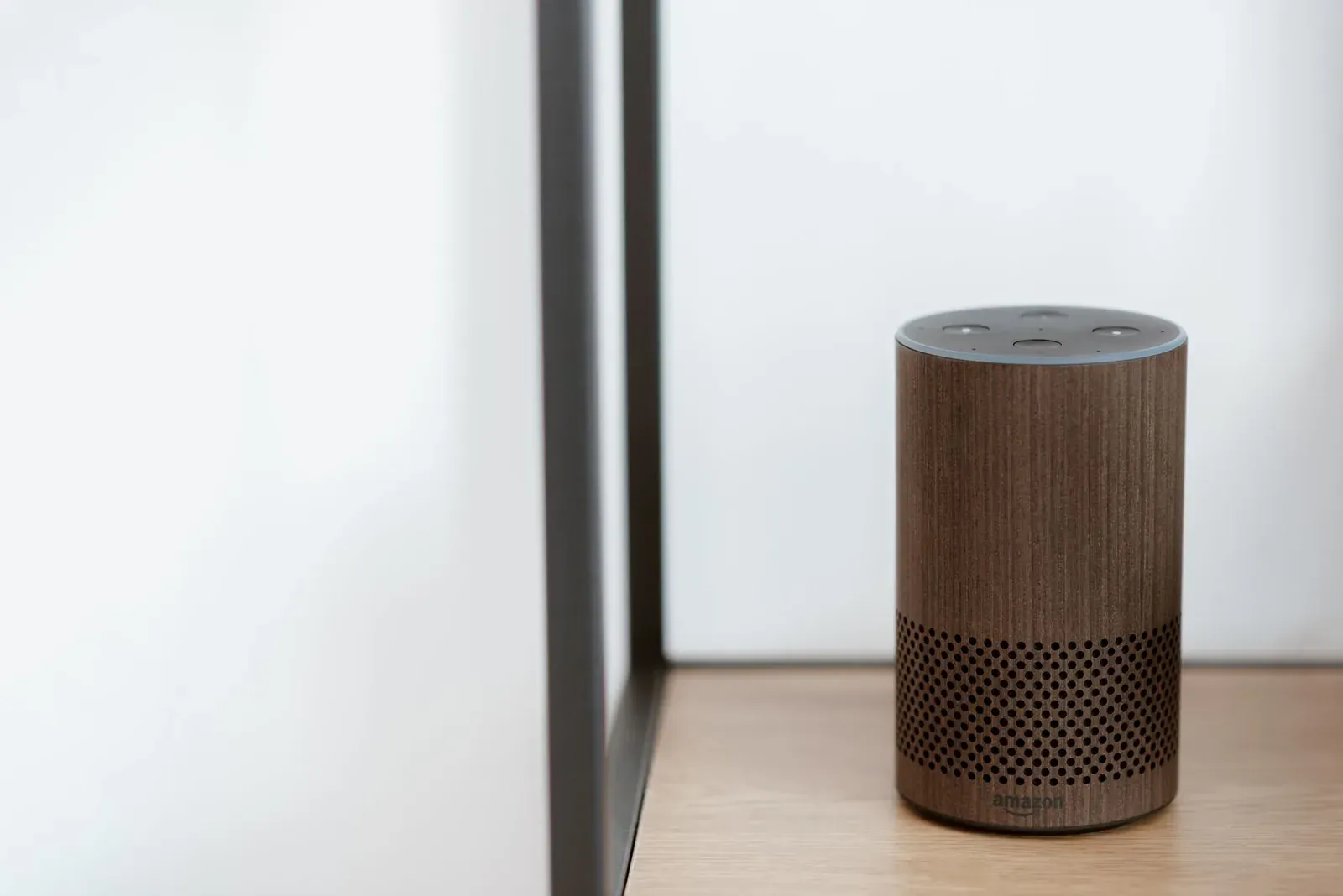
A modern Matter-over-Thread device uses Matter as the language and Thread as the transport. The border router — frequently built into a smart speaker, display or hub you may already own — connects the Thread mesh to the rest of your network so your phone and cloud services can reach it.
- An application standard (how devices talk)
- Works over Wi-Fi, Ethernet or Thread
- Defines pairing and control across brands
- A wireless mesh network (how data travels)
- Low power and self-healing
- Needs a border router to reach the internet
Do you need a Thread border router?
Only if you want to use Matter-over-Thread devices. Many people already have a border router without realizing it — recent Echo, Nest and HomePod devices include one. Matter devices that run over Wi-Fi don't need Thread at all.
- 1Check whether you own a Thread border router (recent Echo, Nest Hub or HomePod)
- 2Confirm your phone app supports Matter pairing
- 3Scan the device’s Matter QR or setup code
- 4Let the app commission it onto your Thread network
Common misconceptions
A few myths cause most of the confusion, so it's worth clearing them up directly:
- "Matter is a hub." It isn't. Matter is a software standard. The hardware that bridges your devices to the internet is a controller and, for Thread, a border router — sometimes the same physical box, but a different role.
- "If I buy Matter, everything is Thread." No. A Matter device chooses its transport. Many Matter devices are Matter-over-Wi-Fi and never touch Thread.
- "Thread replaces my router." No. Thread is a separate low-power mesh that still relies on your home network — via a border router — to reach the cloud and your phone.
Keeping the two ideas separate — Matter as the language, Thread as one of the roads — makes almost every buying and troubleshooting decision easier. If a device misbehaves, you can ask the right question: is this a Matter pairing problem, or a Thread network-coverage problem?
Frequently asked questions
Is Thread replacing Wi-Fi?
No. Thread is for small, low-power smart-home devices. Bandwidth-hungry things like cameras and your laptop still use Wi-Fi. The two coexist on the same home network.
Can I use Matter without Thread?
Yes. Plenty of Matter devices run over Wi-Fi or Ethernet and never touch Thread. Thread is one option, not a requirement.
Will old Zigbee or Z-Wave devices work with Matter?
Not directly, but some hubs can bridge existing Zigbee/Z-Wave devices into Matter so they appear alongside your newer gear.