Thread vs Zigbee: How They Differ and Which to Choose
Thread and Zigbee are both low-power, wireless mesh protocols built for smart-home devices like sensors, bulbs, locks and plugs. The short version: Zigbee is the mature, widely deployed standard with a huge device catalog, while Thread is the newer IP-based mesh that underpins Matter and tends to be more future-proof. Neither is universally "better" — the right choice depends on the devices you want, the hubs you already own, and whether you're building around Matter. Below we break down how they actually differ and give a clear recommendation for common situations.
The core difference: IP vs application protocol
The most important distinction is what each protocol actually is. Zigbee is a full networking stack and an application layer — it defines both how devices form a mesh and how they describe themselves (the "Zigbee Cluster Library"). Thread, by contrast, is only the networking layer. It carries standard IPv6 traffic over a low-power radio and deliberately leaves the application layer to something else — which, in practice, is almost always Matter.
That design choice has real consequences. Because every Thread device gets its own IP address, it can be addressed directly on your network the same way a laptop or phone is, which simplifies routing and interoperability. Zigbee devices live behind a hub that translates their messages, so historically a Zigbee bulb from one brand and a hub from another might not talk unless both followed the same profiles. This is a big reason the industry pushed Thread plus Matter as the path forward — though it's worth being clear that Thread does not replace Matter, and Matter can also run over Wi-Fi.
- Mature standard with a very large, low-cost device catalog
- Needs a brand or platform hub (coordinator) to run the network
- Application layer built in; interoperability depends on profiles
- Newer IP-based mesh; every device gets an IPv6 address
- Needs a Thread border router, not a traditional translating hub
- No built-in app layer — pairs with Matter for device control
How the mesh works in each
Both protocols operate in the crowded 2.4 GHz band and both form a self-healing mesh, where mains-powered devices relay messages so the network reaches farther than any single radio could. The mechanics differ in a few ways that matter for reliability.
- Coordinators vs border routers. A Zigbee network has one coordinator (your hub) that owns the network. Thread has no single point of failure by design — it supports multiple border routers and elects "leader" routers dynamically, so the mesh can keep running if one router drops.
- Routers and end devices. In both systems, battery devices (sensors, locks) sleep to save power and rely on always-on routers (plugs, bulbs) to pass their traffic along. The more powered devices you have, the stronger either mesh becomes.
- Network size. Zigbee networks can technically scale to hundreds of devices but in practice are limited by the coordinator and router "child" tables. Thread is also designed to scale, though current border-router implementations have their own practical limits.
One thing both share: because they sit on 2.4 GHz alongside Wi-Fi and Bluetooth, channel overlap can cause dropouts. If devices on either protocol misbehave, separating your Wi-Fi from the busy channels often helps — see our notes on a stable smart-home Wi-Fi network.
Hubs, border routers and what you probably already own
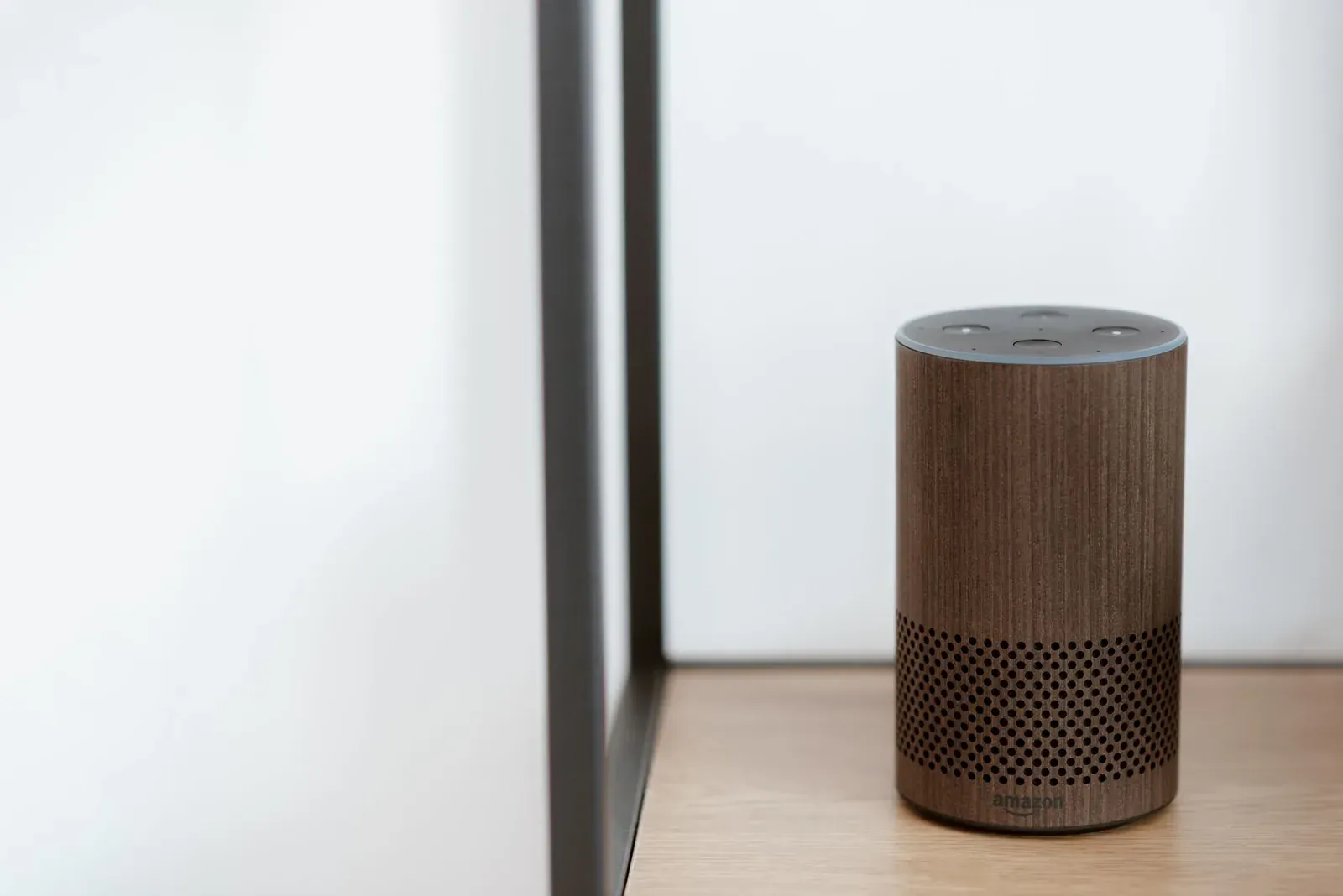
Neither protocol talks to your phone or the internet on its own — both need a bridge to your IP network. With Zigbee that bridge is a coordinator built into a hub like a SmartThings hub, an Amazon Echo with a built-in Zigbee radio, or a Philips Hue Bridge. With Thread, the bridge is a Thread border router, which is increasingly built into mainstream hardware you may already have: many recent Echo, Google Nest and Apple HomePod/Apple TV devices include one.
This is where Thread quietly closes the convenience gap. You don't usually go out and buy a "Thread hub" — the border router rides along inside a speaker or streaming box. If you're curious which of your devices qualify, we keep a running list of Thread border routers you may already own.
Device availability, cost and the Matter factor
Right now, Zigbee wins on sheer selection and price. It has been shipping for well over a decade, so the catalog of inexpensive bulbs, sensors, switches and plugs is enormous. If you want the lowest-cost path to a lot of devices today, Zigbee is hard to beat — especially through a platform like Home Assistant or SmartThings that supports many brands at once.
Thread's advantage is direction of travel. As a native Matter transport, Thread devices can be commissioned into multiple ecosystems and shared across Alexa, Google Home and Apple Home using Matter multi-admin. That cross-platform flexibility is something classic Zigbee never offered cleanly. The trade-off is that Thread's device catalog, while growing quickly, is still smaller and generally pricier per device.
It's also worth noting these aren't mutually exclusive. Platforms like SmartThings and Home Assistant can run a Zigbee network and a Thread/Matter network side by side, so many people end up using both. For the bigger-picture standards comparison, see Matter vs Zigbee vs Z-Wave.
Which should you choose?
Match the protocol to your situation rather than chasing a single "winner":
- Choose Thread if you're building a new system around Matter, you want devices to work across Alexa, Google and Apple, and you value future-proofing over the lowest price. You likely already own a border router.
- Choose Zigbee if you want the widest, cheapest selection of devices today, you're standardizing on one platform (Hue, SmartThings, Home Assistant), and cross-ecosystem sharing isn't a priority.
- Run both if you use a flexible platform like Home Assistant or SmartThings. Keep your existing Zigbee gear and add Thread/Matter devices as you expand — there's no need to rip anything out.
If you're still deciding whether you even need dedicated hub hardware at all, our 2026 guide to smart-home hubs walks through the options. And if a Matter device won't pair during setup, our fix guide for Matter QR/pairing codes covers the common causes.
Frequently asked questions
Is Thread replacing Zigbee?
Not exactly, and not quickly. Thread is positioned as the future-facing mesh for Matter, and much new development is going there. But Zigbee has an enormous installed base and an active device pipeline, so it will remain widely supported for years. Think of it as a gradual shift, not a hard cutover.
Can Thread and Zigbee devices work together?
They can't share the same mesh — a Zigbee device cannot join a Thread network. But they can coexist in the same home if your platform supports both. Hubs from SmartThings, Home Assistant and others can manage a Zigbee network and a Thread/Matter network at the same time, presenting everything in one app.
Do I need a separate hub for Thread?
Usually not a dedicated one. Thread needs a border router, and that's increasingly built into mainstream Echo, Nest and HomePod/Apple TV hardware. Zigbee needs a coordinator hub, which is a more deliberate purchase unless your speaker already has a Zigbee radio.
Which is more reliable?
Both are reliable when the mesh is healthy. Thread's multi-router design avoids a single point of failure, which can help in larger homes. In practice, the biggest reliability factor for either is having enough powered relay devices and avoiding 2.4 GHz congestion — if devices keep dropping, our offline-device fix guide is a good place to start.