Is Matter Worth It in 2026? An Honest Look
Short answer: Matter is worth it in 2026 for most people buying new smart-home devices, but it is not the seamless universal standard the early marketing promised. The interoperability layer is real and genuinely useful — a Matter device can work in Alexa, Google Home, and Apple Home at the same time — but advanced features, setup reliability, and device-type support still vary by ecosystem. If you are buying fresh hardware and want flexibility down the road, Matter support is a smart thing to look for. If you have a stable system built on Zigbee, Z-Wave, or proprietary Wi-Fi devices, there is no urgent reason to rip it out.
What Matter actually promises (and what it doesn't)
Matter is an application-layer standard from the Connectivity Standards Alliance. Its core promise is interoperability: a device that carries the Matter logo should pair with and be controllable by any Matter-capable platform — Amazon Alexa, Google Home, Apple Home, Samsung SmartThings, Home Assistant, and others — without a manufacturer-specific cloud or bridge in between.
It is important to be precise about the scope of that promise. Matter standardizes the basics of each device type: turning a light on, setting its brightness, locking a door, reading a temperature. It does not standardize every premium feature a manufacturer builds. A Matter light strip might expose on/off and color across all platforms, but its fancy animated scenes may only appear in the maker's own app. This gap between "core function works everywhere" and "every feature works everywhere" is the single biggest source of disappointment for people expecting magic.
For a deeper comparison of how Matter stacks up against the wireless protocols it builds on, see our explainer on Matter vs Zigbee vs Z-Wave.
Where Matter is genuinely worth it today
Several things work well enough now that they justify choosing Matter on a new purchase:
- Multi-admin. A single Matter device can be shared into multiple ecosystems at once — controlled from Alexa and Apple Home, for example — without re-buying anything. This is one of Matter's strongest real-world wins. We cover the workflow in Matter multi-admin.
- Local control. Matter devices are designed to be controlled on your local network rather than round-tripping to a manufacturer cloud. That generally means faster response and continued operation if a vendor's servers go down (though many platforms still use the cloud for voice and remote access).
- Future-proofing for common device types. Lights, smart plugs, switches, contact and motion sensors, thermostats, and door locks are well represented and broadly reliable across platforms.
- No vendor lock-in at the protocol level. If you switch from Google Home to Apple Home next year, Matter devices can move with you instead of becoming e-waste.
Where it still falls short
An honest assessment has to name the rough edges, because they are real and well documented across community forums:
- Commissioning failures. The most common complaint is a device that won't finish pairing — QR codes that won't scan, a setup that hangs, or a device that pairs to one platform but refuses a second. These are often network issues (more on that below) rather than the device being defective.
- Uneven device-type coverage. Cameras, robot vacuums, and complex appliances arrived late to the Matter spec and remain inconsistently supported. If those are your priority, check current support before assuming Matter covers them.
- Feature parity. As noted, advanced features frequently live only in the manufacturer app, so you may still end up with that app installed anyway.
- Setup quirks differ by platform. Adding a device is not identical in the Alexa app, the Google Home app, and Apple Home, and error messages can be vague. Our walkthrough on how to add a Matter device covers the per-platform steps.
The Thread question: you may already have the hardware
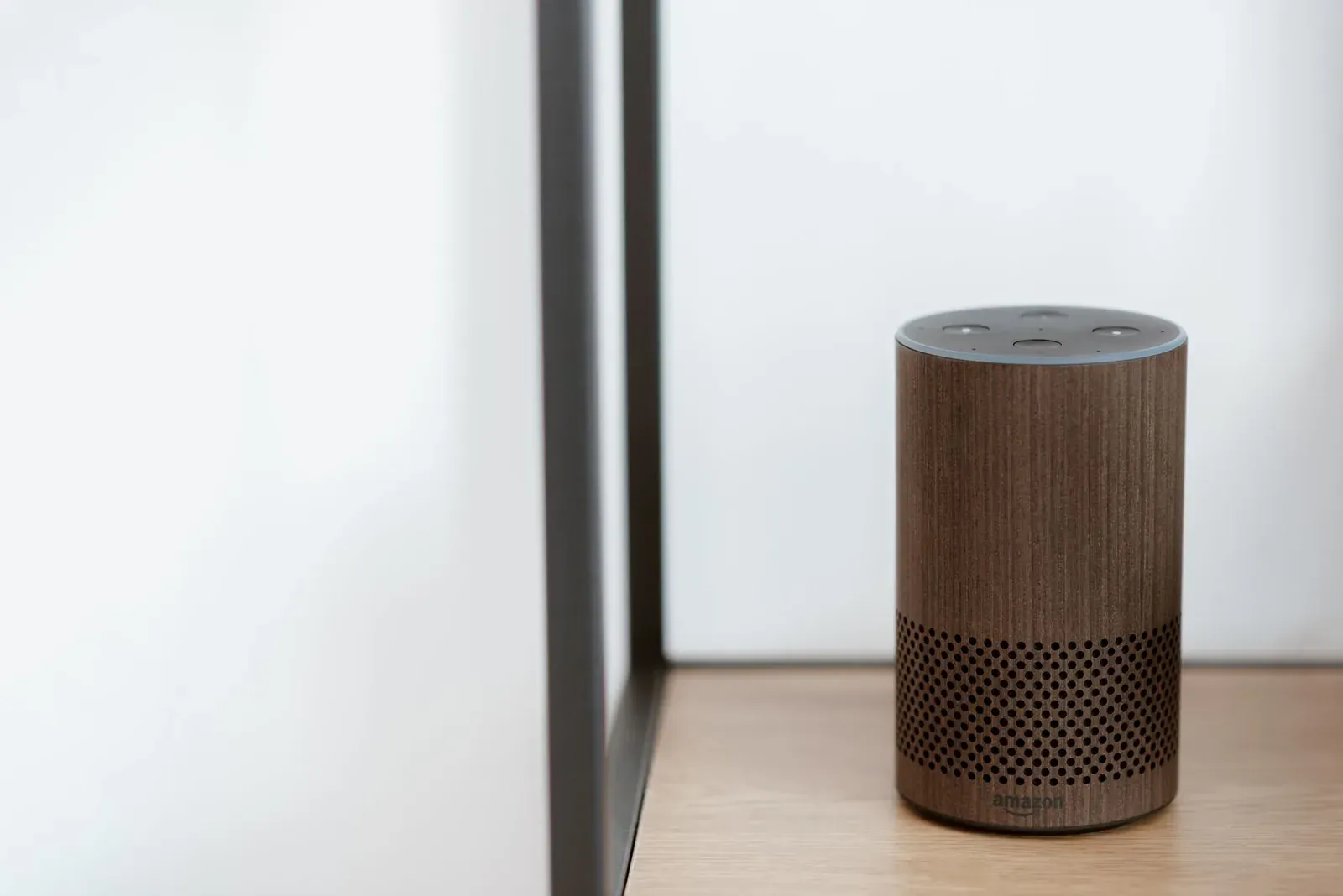
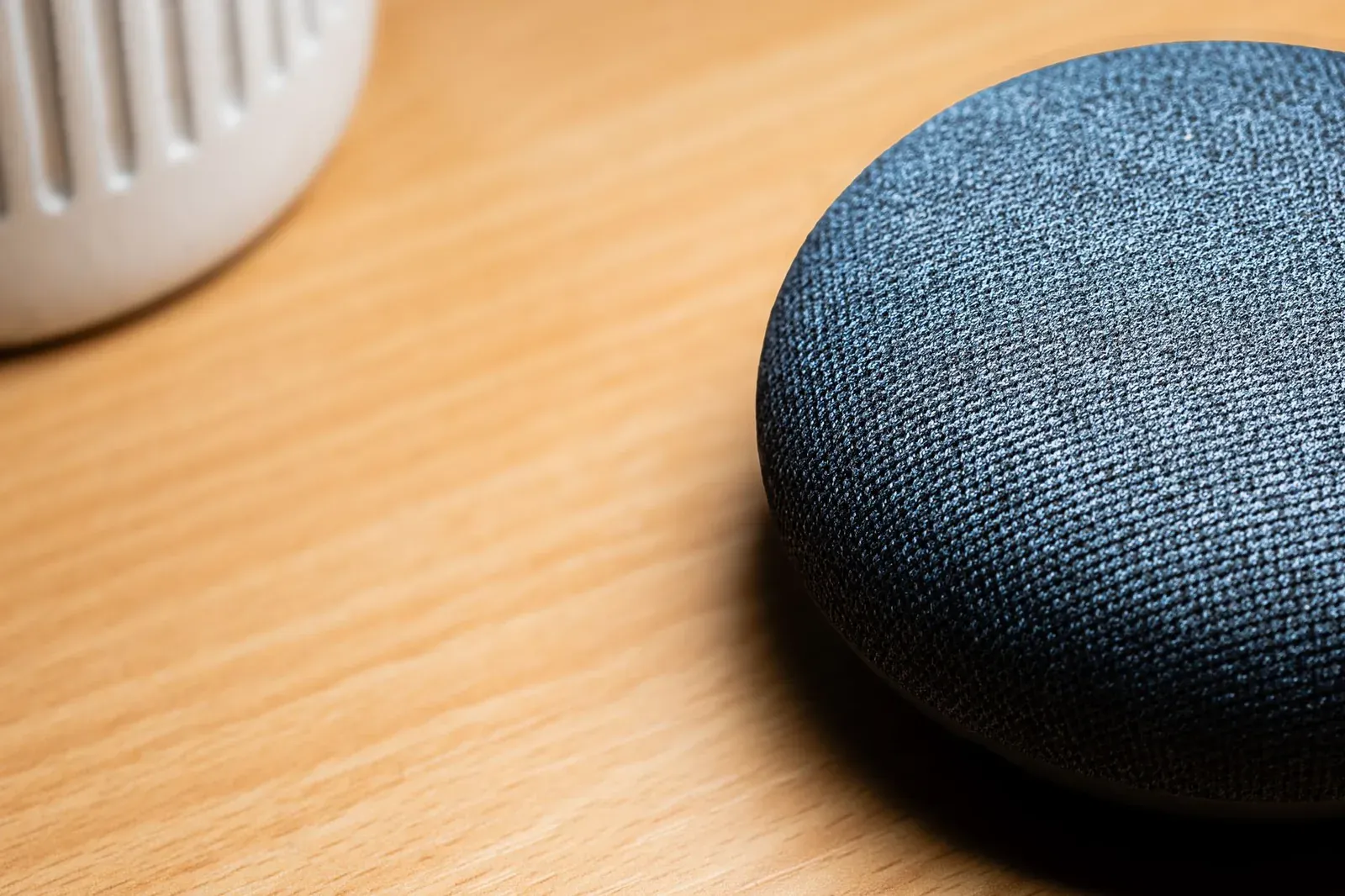
Matter runs over Wi-Fi, Ethernet, and Thread. Thread is a low-power mesh network well suited to battery sensors and always-on lights, but Thread devices need a Thread border router to reach the rest of your network. The good news is that many people already own one inside a smart speaker or hub they bought for other reasons.
If you are unsure whether you have one, our guide to the best Thread border routers you may already own is the fastest way to check, and what is a Thread border router explains the concept in plain terms. If you only plan to buy Wi-Fi-based Matter devices, you can skip Thread entirely.
Matter vs. sticking with what you have
For many readers the real decision isn't "Matter or nothing" — it's "adopt Matter now or keep my current setup."
- Cross-ecosystem flexibility and easier platform switching later
- Local control and broad support for common device types
- Some setup friction and uneven advanced-feature support
- Zero migration effort if your system is already stable
- Full access to every manufacturer feature today
- Risk of vendor lock-in and orphaned devices over time
A reasonable middle path is to stop buying new non-Matter hardware while leaving working devices in place. Matter and older protocols coexist fine in the same home, often bridged through the same hub. If you're weighing whether a hub still belongs in your setup at all, see do you still need a smart-home hub.
Set yourself up for a smooth experience
Most Matter frustration traces back to the network, not the standard. A few preparations dramatically improve your odds:
- 1Confirm your platform’s hub (Echo, Nest, HomePod, or SmartThings) is updated and online
- 2Make sure your phone and the controller hub are on the same network during setup
- 3Keep a 2.4 GHz Wi-Fi network available, since most Matter and Thread devices rely on it
- 4Have the device’s Matter QR code or numeric setup code ready before you start
Matter and Thread devices live on the 2.4 GHz band, so a clean, well-configured 2.4 GHz network matters more than people expect — our notes on 2.4 GHz vs 5 GHz for smart-home devices and on smart-home Wi-Fi best practices explain how to avoid the most common pitfalls. If devices pair but later drop off, the device-keeps-going-offline fix guide is the place to start.
So, is it worth it?
Yes — with realistic expectations. In 2026, Matter is a mature-enough standard that buying Matter-capable lights, plugs, sensors, locks, and thermostats is a sound, future-friendly choice. It delivers genuine flexibility you can't easily get any other way, especially multi-admin and local control. What it is not yet is a flawless, set-and-forget universal layer where every feature works identically everywhere. Treat Matter as a valuable bonus that reduces lock-in, prepare your network properly, and you'll likely be glad you chose it. Expect it to do everything your manufacturer app does on day one, and you'll be disappointed.
Frequently asked questions
Do I need to replace my Zigbee or Z-Wave devices with Matter?
No. Devices that already work have no expiration date, and many hubs bridge Zigbee or Z-Wave gear into a Matter ecosystem anyway. Adopt Matter on new purchases rather than treating it as a reason to replace a stable system.
Does every Matter device need Thread?
No. Matter also runs over Wi-Fi and Ethernet. Only Thread-based Matter devices need a Thread border router — and that router is frequently built into a smart speaker or hub you already own. Wi-Fi Matter devices connect directly to your router.
Can one Matter device really work in Alexa, Google, and Apple at once?
Yes, this is the multi-admin feature, and it is one of Matter's strongest real-world benefits. You pair the device to one platform first, then use a sharing code from that platform to add it to others. Just choose your primary platform carefully, since removing the device there can break the shared links.
Why did my Matter device fail to pair?
Commissioning failures are usually network-related: the phone and controller hub on different networks, a missing or congested 2.4 GHz band, or an out-of-date hub. Confirm everything is updated and on the same network, then retry. Persistent hub instability is covered in our hub-keeps-disconnecting guide.