Matter over Thread vs Matter over Wi-Fi: The Difference
Matter is the application layer—the shared language your devices speak—but it doesn't move data by itself. It rides on top of a network transport, and the two most common are Thread and Wi-Fi. The core difference is simple: Matter over Wi-Fi puts each device directly on your home Wi-Fi network, while Matter over Thread puts the device on a low-power mesh network that reaches your Wi-Fi through a separate piece of hardware called a Thread border router. Everything else—range, battery life, how the device is added, and what can go wrong—flows from that one choice of radio.
What each transport actually is
Wi-Fi is the network you already know. A Matter-over-Wi-Fi device—typically a smart plug, a plug-in light, or a camera-adjacent gadget—joins your 2.4 GHz Wi-Fi like a phone or laptop would, gets its own IP address, and talks to your controllers over the local network. There's no extra hardware layer between the device and your router.
Thread is different. It's a low-power wireless mesh protocol built on the same 802.15.4 radio family as Zigbee, designed so that battery devices can sip power and mains-powered devices can relay messages for their neighbors. Thread devices don't touch your Wi-Fi directly. Instead, they form their own mesh, and a Thread border router acts as the doorway between that mesh and your regular IP network. If you want the background on that gateway role, our explainer on what a Thread border router is covers it in depth.
The comparison at a glance
| Attribute | Matter over Thread | Matter over Wi-Fi |
|---|---|---|
| Radio | 802.15.4 low-power mesh (2.4 GHz) | Standard Wi-Fi (2.4 GHz) |
| Extra hardware needed | Yes — a Thread border router | No — uses your existing router |
| Network topology | Self-healing mesh; devices relay for each other | Star — each device talks to the router |
| Power draw | Very low; suits battery devices | Higher; better for mains power |
| Typical devices | Sensors, locks, buttons, bulbs | Plugs, mains lights, higher-bandwidth gear |
| Range per hop | Shorter, but extended by mesh relays | Depends on Wi-Fi coverage; no device relaying |
| Effect on Wi-Fi | Keeps small devices off your Wi-Fi | Adds each device to your Wi-Fi client count |
Why the radio choice matters in practice
Power and battery life
This is Thread's headline advantage. Wi-Fi radios are relatively power-hungry, which is why you rarely see a coin-cell Wi-Fi door sensor that lasts a year. Thread was engineered for exactly that job: a sleepy battery device can stay mostly dormant and wake briefly to send data. For door/window sensors, contact sensors, remote buttons, and many locks, Thread is the natural fit. Mains-powered devices like a smart plug don't benefit from that power saving, so Wi-Fi is a perfectly sensible choice for them.
Range, mesh, and dead spots
A single Thread hop is usually shorter than a Wi-Fi hop, but Thread doesn't rely on a single hop. Every mains-powered Thread device (a plugged-in bulb, a wired outlet module) acts as a router that relays traffic for its neighbors, so coverage grows as you add devices. The mesh is also self-healing: if one relay drops offline, traffic reroutes around it. Wi-Fi has no equivalent—each device connects straight to your access point, so a device in a far corner is only as reliable as the Wi-Fi signal reaching that corner.
Impact on your home network
Consumer routers have practical limits on how many clients they handle well. Loading dozens of tiny sensors onto Wi-Fi can strain a modest router and clutter your client list. Thread keeps all those small devices on their own mesh, so only the border router appears on your Wi-Fi. If you're the type who counts connected devices, that separation is genuinely useful.
- Runs on a low-power mesh built for battery devices
- Needs a Thread border router to reach your network
- Devices relay for each other and self-heal
- Connects directly to the router you already have
- No mesh gateway or extra hardware required
- Better for mains-powered, higher-bandwidth devices
The hardware question: do you already have a border router?
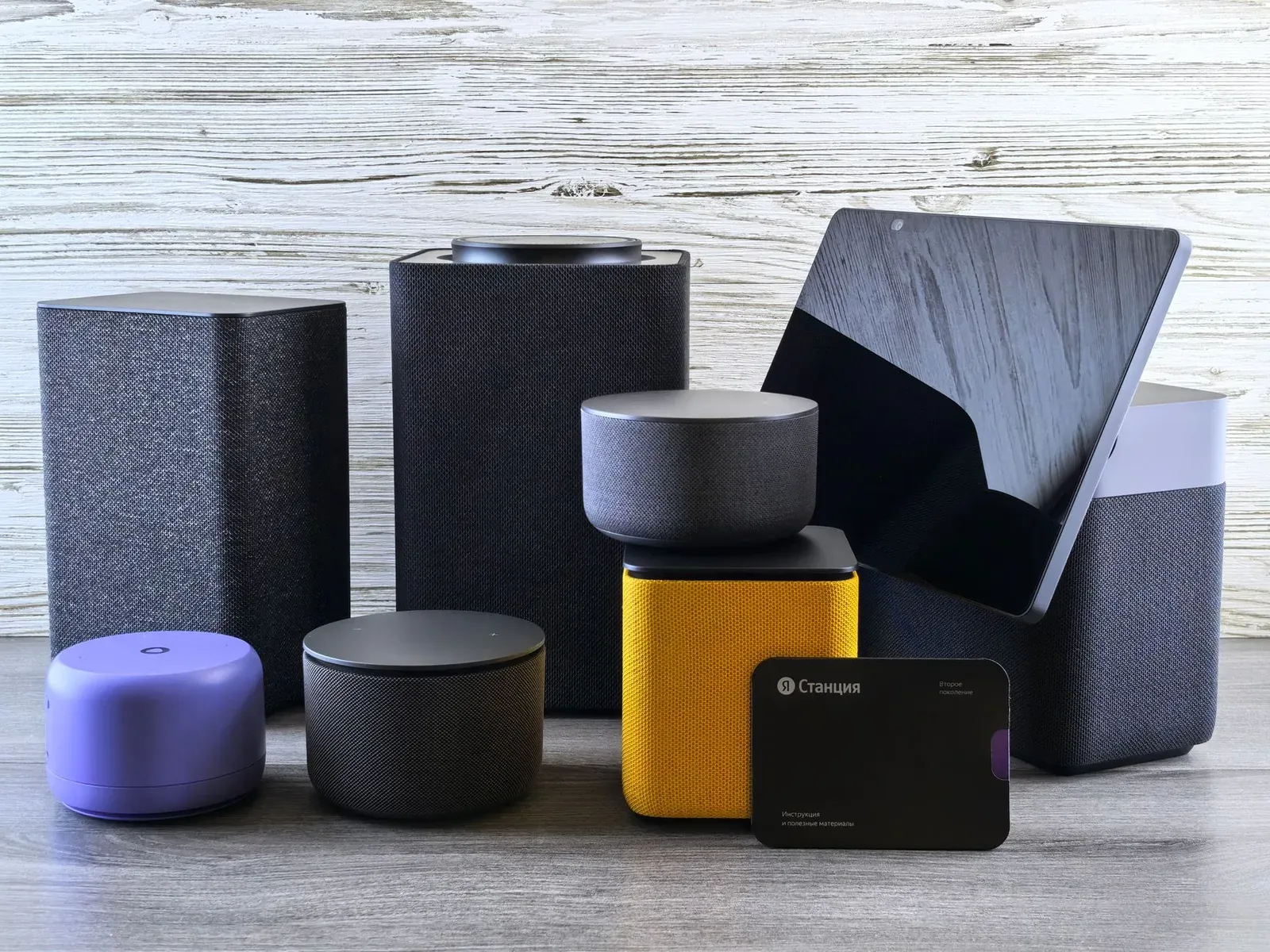
The one real hurdle for Thread is that border router. The good news is that if you own a recent smart speaker or hub, you may already have one and not know it. Many Amazon Echo, Google Nest, Apple HomePod/Apple TV, and SmartThings hub models include a Thread border router. Our roundup of Thread border routers you may already own walks through which devices qualify.
Wi-Fi has no such requirement, which is part of why Matter-over-Wi-Fi plugs are often the easiest entry point for someone with no hub at all. If you're shopping, our guide to the best Matter-compatible smart plugs is a good starting point.
How setup differs
From your point of view, commissioning a Matter device feels nearly identical either way—you scan a QR code and follow the app—but what happens behind the scenes differs.
- 1Scan the device’s Matter QR code in your ecosystem app
- 2For Wi-Fi, the device joins your 2.4 GHz network directly; for Thread, it joins the mesh via a border router
- 3The device appears in your app and can be shared to other ecosystems
One shared trait worth knowing: because Matter is a single standard, either transport can be added to multiple ecosystems at once through multi-admin. If you want the same lock in Apple Home and Google Home, the transport underneath doesn't change that—see our guide on how to share a Matter device across Alexa, Google, and Apple Home.
Which should you choose?
You usually don't choose the transport in the abstract—you choose a device, and the manufacturer has already picked the radio. But knowing which you want helps you shop wisely:
- Lean toward Matter over Thread if the device runs on a battery (sensors, locks, buttons), if you want a resilient self-healing mesh, or if you want to keep small devices off your Wi-Fi. This assumes you have—or will add—a border router.
- Lean toward Matter over Wi-Fi if the device is mains-powered, if you have no hub and don't want to buy one, or if the device needs more bandwidth than a low-power mesh comfortably carries.
- Don't overthink a mixed home. Most people end up with both, and that's fine—Matter treats them the same way once they're commissioned.
For a broader take on where Matter stands today, our honest look at whether Matter is worth it in 2026 and our rundown of what Matter still can't do add useful context before you commit.
Frequently asked questions
Is Matter over Thread faster than Matter over Wi-Fi?
Not in a way you'll notice for typical smart-home commands. Wi-Fi has far higher raw bandwidth, but turning on a light or reading a sensor sends tiny amounts of data, so both feel instant on a healthy network. Thread's advantage is efficiency and reliability for small devices, not speed. For high-bandwidth jobs, Wi-Fi is the better carrier.
Do I need a Thread border router for Matter?
Only for Thread devices. Matter-over-Wi-Fi devices work with just your existing router. If you want to use Thread devices, you need at least one border router, though many recent Echo, Nest, HomePod, Apple TV, and SmartThings hubs already include one.
Can Thread and Wi-Fi Matter devices work together?
Yes. Once commissioned, Matter presents both to your controllers identically, so a Thread lock and a Wi-Fi plug can appear side by side in the same app and run in the same automation. The transport is invisible at the automation level.
Does Matter over Thread still need the internet?
For local control, no—Thread and Matter are designed to run on your local network. Cloud features (voice assistants, remote access) still need internet. We cover the nuances in do Matter devices need the internet to work.