Do Matter Devices Need the Internet to Work?
For day-to-day control, most Matter devices do not need the internet. Matter is built on local IP networking, so a light, plug, or sensor in your home talks to a controller (a hub, speaker, or smart display) over your own Wi-Fi, Ethernet, or Thread network — not through a distant cloud server. The internet becomes necessary for specific jobs: setting a device up for the first time, controlling it while you're away, using cloud voice assistants, and downloading firmware updates. Below we break down exactly which tasks are local and which reach out to the internet, and why.
Why Matter favors local control
Matter was designed by the Connectivity Standards Alliance (CSA) as a local-first standard. Every Matter device speaks IP and joins your home network directly — either over Wi-Fi/Ethernet or over Thread, the low-power mesh that needs a border router to bridge it onto your main network. Because the devices and the controller share the same local network, a command like "turn on" can travel from your phone or hub to the bulb without ever leaving your house.
This is a real architectural difference from older cloud-dependent gear, where pressing a button in an app sent a request to a manufacturer's server, which then relayed it back down to your device. With Matter, the round trip can stay inside your four walls — which is also why local control tends to feel faster and keeps working when your broadband hiccups.
When Matter actually needs the internet
"Local-first" doesn't mean "never online." A handful of tasks genuinely depend on a connection:
- First-time setup (commissioning). When you add a Matter device, the app verifies the device's security certificate. Many platforms check this against the CSA's Distributed Compliance Ledger and sign you into your platform account, both of which need the internet. Plan to be online when you scan that QR code.
- Remote access. Controlling devices from outside your home — from the office, the car, anywhere off your Wi-Fi — routes through the platform's cloud so your phone can reach your house. No internet at home (or on your phone) means no remote control.
- Cloud voice assistants. Asking Alexa or Google Assistant to do something is usually processed in the cloud, even when the device it controls is local. If the internet is down, voice requests often fail even though the device itself is reachable on the network.
- Firmware and software updates. Device and hub updates are downloaded over the internet.
- Some cloud-based automations and integrations. Routines that depend on weather, calendars, or other online services obviously need a connection.
What keeps working during an internet outage
This is where the platform you use matters, because each handles a broadband outage differently. The key variable is whether you have a controller running locally and whether that platform processes commands on-device or in the cloud.
| Scenario | Internet needed? | Notes |
|---|---|---|
| Tapping a device on/off in the app, on home Wi-Fi | No | Command travels locally to the device |
| Controlling devices while away from home | Yes | Goes through the platform cloud |
| Voice command (Alexa / Google Assistant) | Usually yes | Speech is typically processed in the cloud |
| Local automations (e.g., motion turns on a light) | Often no | Runs locally if the hub evaluates rules on-device |
| Adding a brand-new Matter device | Usually yes | Certificate check and account sign-in |
Apple Home, for example, runs Matter and Thread through a home hub (a HomePod or Apple TV) and executes many automations locally. Google Home and Alexa lean more on the cloud for voice and routines, though Matter control of the device itself is local. Privacy- and reliability-focused setups like Home Assistant can keep an impressive amount running with no internet at all. If your devices already drop offline during normal use, that's a separate networking issue — our guide to devices going offline walks through fixes.
The catch: you need a controller, and it needs power
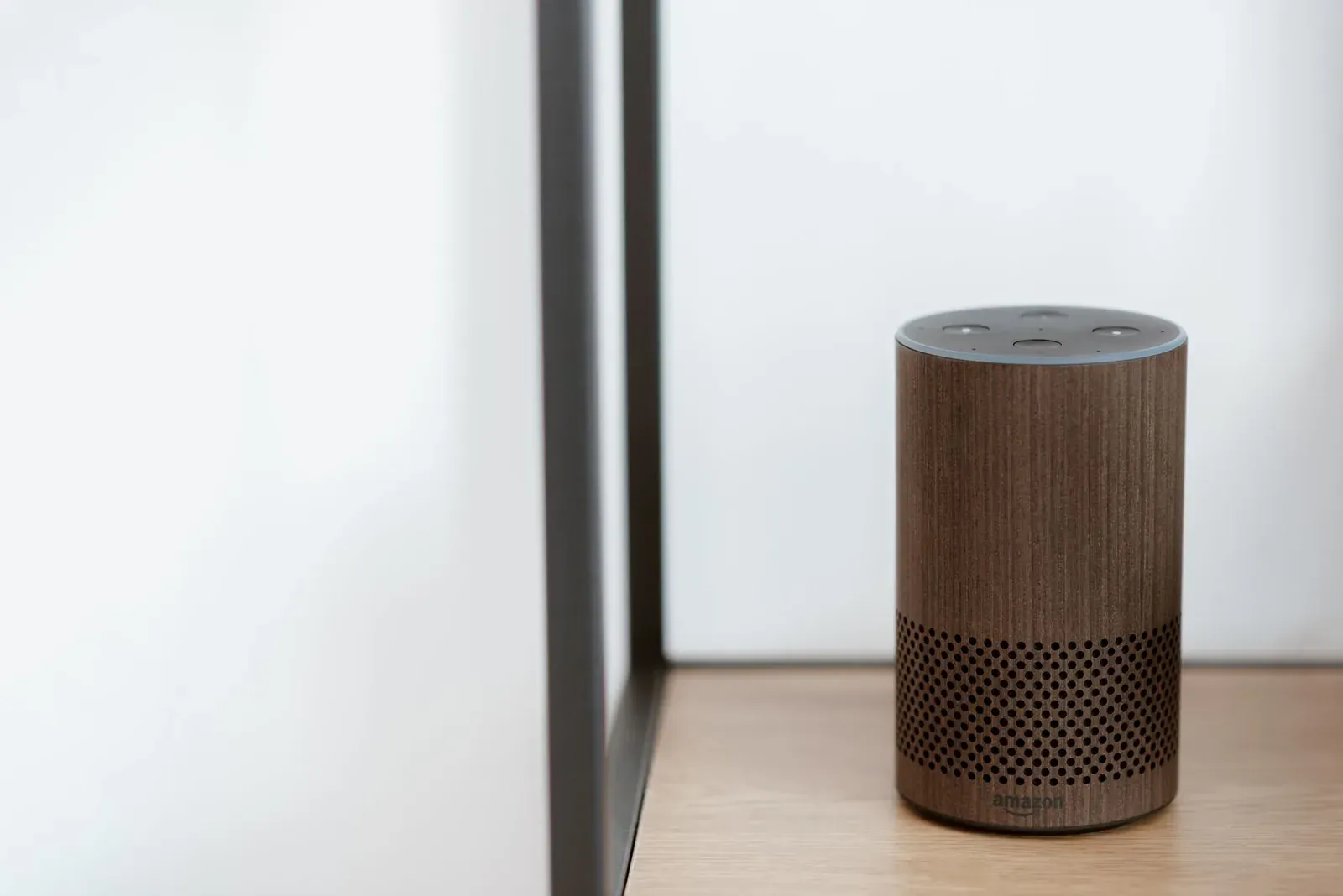
Local control only happens if something on your network is acting as the controller. For Thread devices that means a Thread border router you may already own — many Echo, Nest, HomePod, and SmartThings devices include one. For automations and remote access you also need a persistent hub (an always-on Apple TV/HomePod, Nest/Echo speaker or display, or a SmartThings/Home Assistant hub).
So the honest answer is layered: the Matter protocol doesn't require the internet to control a device, but a fully featured smart home — with remote access, voice, and reliable automations — leans on it more than you might expect. If you're weighing whether the ecosystem is right for you, our honest look at Matter in 2026 puts this in context.
How to set up for the most offline reliability
- 1Put an always-on controller on your network (HomePod/Apple TV, Nest/Echo, SmartThings, or Home Assistant)
- 2Make sure you have a Thread border router if you use Thread devices
- 3Build automations that run locally rather than relying on cloud services
If you share a device across ecosystems with Matter multi-admin, each controller still talks to the device locally — multi-admin doesn't add a cloud dependency to basic control, though each platform's own remote and voice features behave as described above.
Frequently asked questions
Can I set up a Matter device with no internet at all?
Usually no. Most platforms verify the device's security certificate and require you to be signed into your account during commissioning, both of which need a connection. Some advanced setups (notably Home Assistant) can commission devices with limited or no internet, but for mainstream apps, plan to be online for setup.
Will my Matter lights still work if my Wi-Fi router stays on but internet goes down?
Generally yes for local control. As long as your router and controller are powered and your phone is on the same network, tapping a device in the app should still work. Voice commands and remote access typically won't, because they route through the cloud.
Do Thread devices need the internet?
No more than Wi-Fi Matter devices do. Thread is a local mesh; it needs a border router to reach your main network, but that border router is in your home. Internet still applies for setup, remote access, and voice.
Is Matter more local than Zigbee or Z-Wave?
They're comparable in that all three run a local radio network through a hub. The bigger differences are in interoperability and ecosystem support — we compare them in Matter vs Zigbee vs Z-Wave.