Share a Matter Device Across Alexa, Google & Apple Home
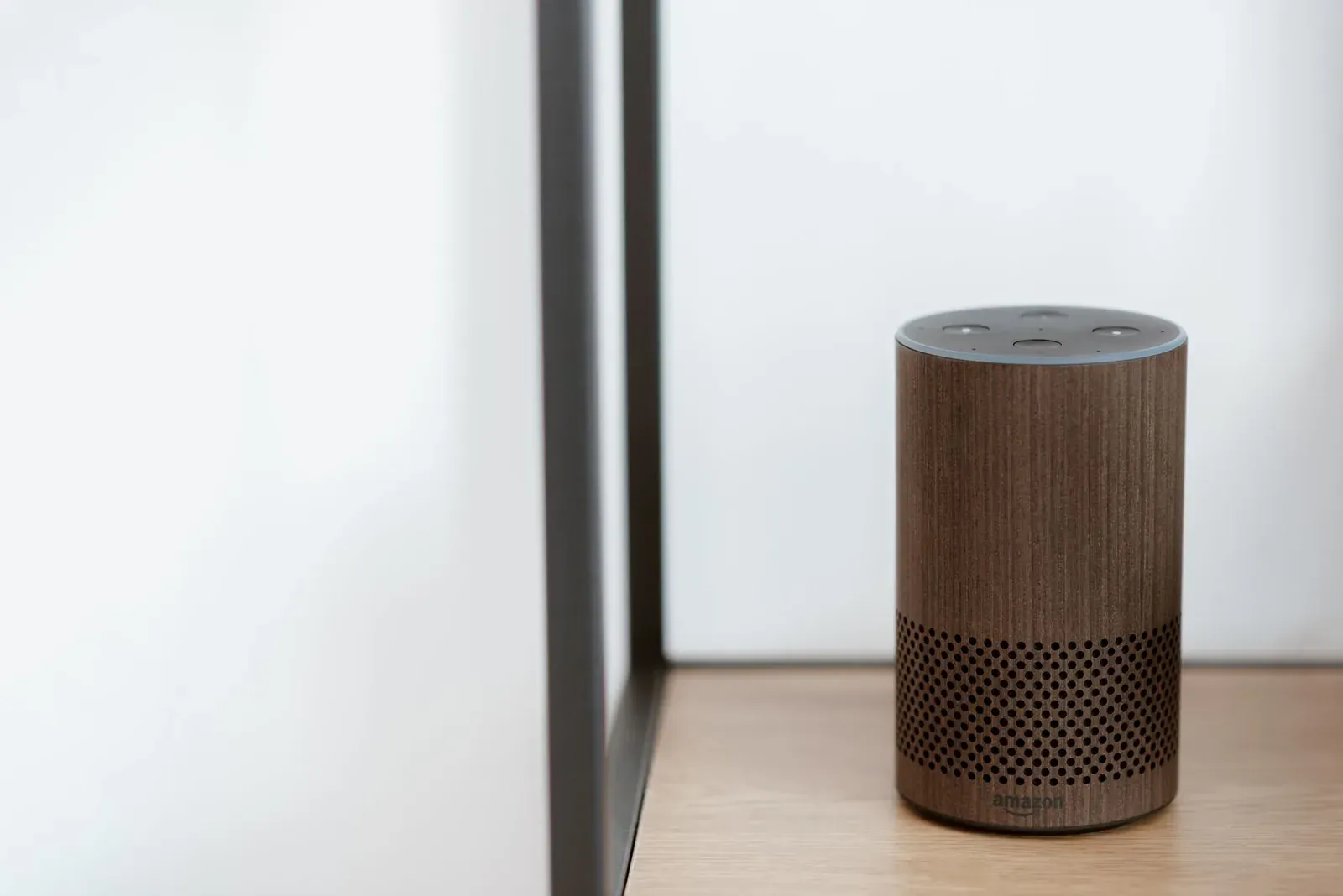
Yes—a single Matter device can live in Amazon Alexa, Google Home, and Apple Home at the same time, and you don't need a separate version for each. The feature that makes this possible is called Matter multi-admin (sometimes “multi-fabric”). You commission the device into one ecosystem first, then have that ecosystem generate a fresh pairing code that you feed into the next app. Repeat for each platform. The device ends up registered with all three at once, and any of them can control it independently.
Why multi-admin exists
Before Matter, a smart device usually answered to one cloud and, at best, mirrored into other assistants through brittle integrations. Matter changes the model: each platform you add becomes an equal “administrator” on the device. In the Connectivity Standards Alliance (CSA) specification, these administrators are called fabrics, and a Matter device can belong to several fabrics simultaneously—each with its own secure credentials. That's why your Apple Home automation keeps working even if you control the same bulb from Alexa a moment later.
This matters most in mixed households: one person lives in Apple Home on their iPhone, another asks Alexa, and the kitchen display runs Google. With multi-admin, nobody has to switch ecosystems. For background on the standard itself, see our overview of whether Matter is worth it in 2026.
What you need before you start
A few requirements trip people up:
- The device must be Matter-certified, not just “works with Alexa.” If you're unsure, check the box for the Matter logo or read how to tell if a device is Matter-compatible before you buy.
- Apple Home and Google Home need a compatible hub (a HomePod, Apple TV, Nest Hub, or similar) to act as the Matter controller. Alexa can commission Matter-over-Wi-Fi devices with many Echo models.
- Thread devices need a Thread border router on your network. Several smart speakers and hubs already include one—see Thread border routers you may already own.
- Keep the original code handy for the very first setup. After that, you'll generate new codes instead.
Step-by-step: share one device across all three
The exact wording shifts as apps update, so look for the function rather than a specific button name.
- Commission the device in your primary ecosystem. Open the Alexa, Google Home, or Apple Home app and add a Matter device as you normally would, scanning the printed code. Pick whichever ecosystem you use most as the “home base.”
- Find the sharing option. Open the device's settings in that app and look for a choice such as “Share,” “Link to another platform,” “Turn on pairing mode,” or “Add to another Matter ecosystem.” In Apple Home it typically appears under the accessory's settings; in the Google Home app and the Alexa app it's usually in the device's detail or settings view.
- Generate a new pairing code. The app produces a fresh QR code or numeric code valid for a short window. This is the key step—this new code, not the original sticker, is what the next ecosystem will use.
- Add the device in the second app. Start “add a Matter device” in the second ecosystem and enter the code you just generated. The device joins that fabric while staying in the first.
- Repeat for the third ecosystem. Generate another fresh code (from either app you've already added) and enter it into the last one.
- Rename consistently. Give the device the same room and name in each app so voice commands and automations stay predictable.
- 1Add the device in your main app using the printed code
- 2Open the device settings and choose the share / add-to-another-ecosystem option
- 3Enter the freshly generated code in each additional app
How control behaves across ecosystems
| Behavior | What to expect |
|---|---|
| Direct control | Each ecosystem controls the device independently and in near real time. |
| Automations & routines | Built and stored per ecosystem; an Alexa routine won't appear in Apple Home. |
| State sync | On/off and brightness changes reflect across apps because they read the same device. |
| Removing one admin | Removing the device from one app leaves the other fabrics intact. |
| Firmware updates | Usually delivered through the manufacturer's own app, not the ecosystems. |
One nuance worth knowing: advanced or device-specific features (special effects, energy reporting, sensor sub-channels) sometimes surface in only one ecosystem. Matter standardizes the basics first, so a quirky feature may still need the maker's app. That gap is covered in what Matter still can't do.
Troubleshooting
- “Code not recognized.” It probably expired or you reused the printed sticker. Generate a fresh code from an app the device already lives in.
- Device won't appear in the second app. Confirm both controllers are on the same Wi-Fi/network and, for Thread devices, that a working border router is online. See what a Thread border router is.
- Works locally but not remotely. Remote access depends on each ecosystem's hub and cloud. Our guide on whether Matter devices need the internet explains the split.
- Bridged devices behave differently. If the device joins through a hub, sharing happens at the bridge level—see what a Matter bridge is.
Frequently asked questions
How many ecosystems can one Matter device join?
The Matter spec allows multiple fabrics per device, but the practical ceiling depends on the device's memory and the manufacturer's implementation—often around five. Three (Alexa, Google, Apple) is well within typical limits.
Do I need the original QR code each time?
No. The printed code is for the first ecosystem only. Every additional ecosystem uses a new code you generate in-app, which is the heart of how multi-admin works.
Will removing one app break my other setups?
No. Each fabric is independent. Removing the device from Alexa, for example, leaves your Apple Home and Google Home control and automations untouched.
Does this work for Thread devices too?
Yes—the multi-admin process is the same. Thread devices simply also need a Thread border router on your network. Compare connection types in Matter over Wi-Fi vs. Matter over Thread.