Thread vs Zigbee: How These Smart Home Radios Differ
Thread and Zigbee are close cousins. Both are low-power, low-bandwidth wireless mesh protocols built on the same underlying radio standard (IEEE 802.15.4), both run on the crowded 2.4 GHz band, and both let battery devices like sensors and locks sip power while relaying messages through nearby mains-powered devices. The core difference is what happens above the radio: Thread is a native IP (internet protocol) mesh, so each device gets its own IPv6 address and can talk to your network through a Thread border router, while Zigbee is not IP-based and always needs a translating hub or coordinator to bridge it onto your network. That one architectural choice shapes everything else, including how each one fits into Matter.
The same foundation, a different language
It helps to picture the network in layers. At the bottom, the radio layer, Thread and Zigbee are nearly identical — both use IEEE 802.15.4, the same standard that defines how short, efficient packets move over 2.4 GHz. That shared base is why their range, wall penetration, and battery behavior feel similar in practice.
The divergence is in the networking layer on top. Zigbee defines its own application and networking stack (the Zigbee Cluster Library and, more recently, Zigbee PRO / Zigbee 3.0). Devices don't have internet-style addresses; they're managed by a single coordinator — the radio inside your hub — that holds the network together and translates between Zigbee and whatever your hub speaks (Wi-Fi, Ethernet, the cloud). Thread instead carries IPv6 packets natively. Every Thread device is addressable on your network the way a laptop is, and a border router simply routes traffic between the Thread mesh and your home LAN rather than translating a foreign language.
Border router vs. coordinator: the practical difference
This is where the architecture shows up in daily use. A Zigbee network has exactly one coordinator. If that hub goes offline or you replace it, the network goes with it, and devices typically have to be re-paired to a new coordinator. It's a hub-and-spoke model with a single owner.
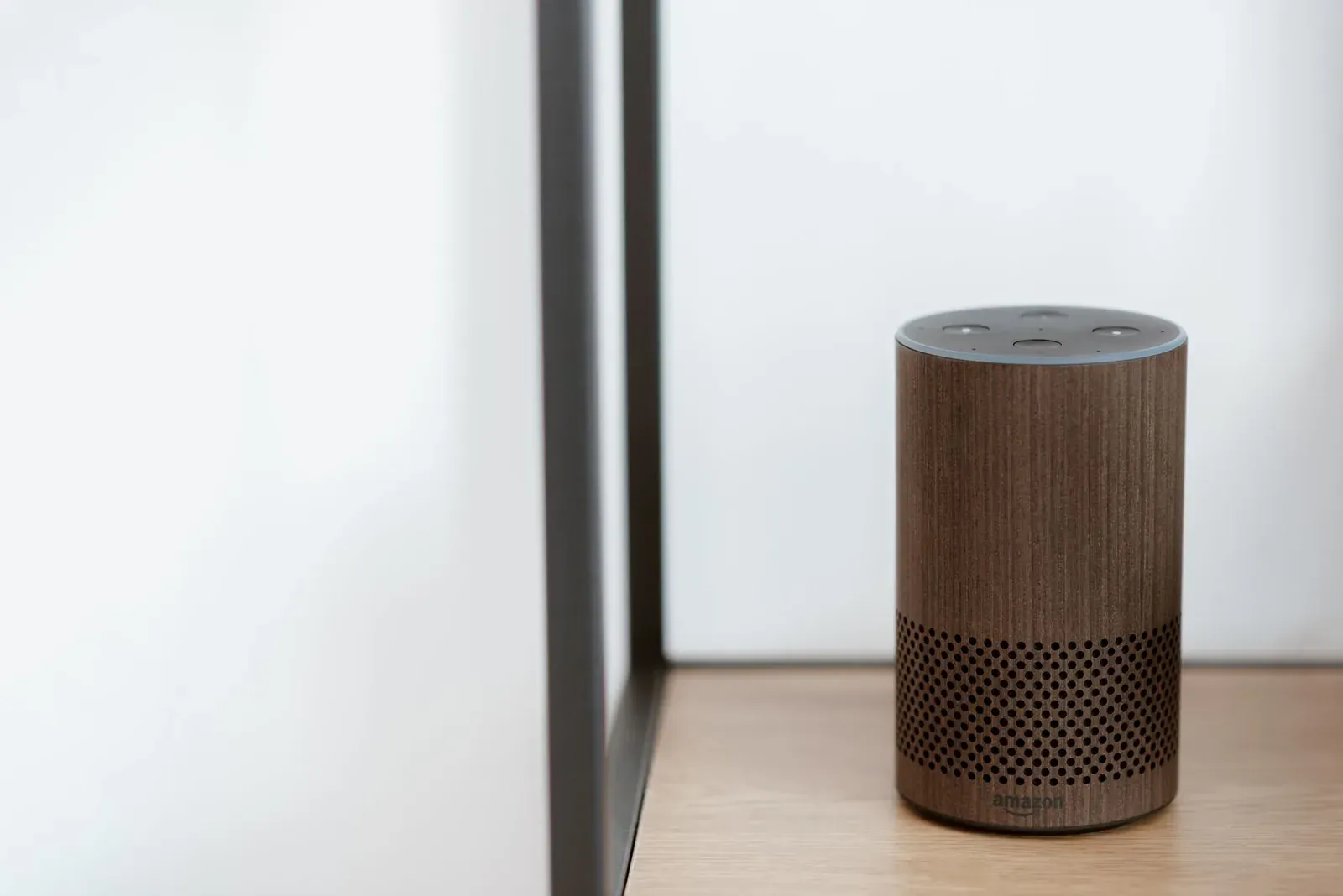
Thread is built to avoid that single point of failure. You can have multiple border routers on one Thread network, and they cooperate. Many devices you may already own — a recent Apple TV or HomePod, certain Amazon Echo models, Google Nest hubs, and some smart hubs — can act as Thread border routers, so the "hub" stops being a separate box you buy and becomes a feature baked into gear you have. If one border router drops off, another can carry the mesh. We go deeper on this in Best Thread Border Routers You May Already Own and on the basics in What Is a Thread Border Router (and Do You Need One)?
- IP-native — each device gets an IPv6 address
- Multiple cooperating border routers, no single point of failure
- Connects to Matter natively, no bridge needed
- Not IP-based — needs a hub to translate onto your network
- One coordinator owns the whole mesh
- Reaches Matter only through a Matter bridge
Where each one stands with Matter
If you're reading this because of Matter, here's the part that matters most. Matter is an application layer that runs over IP, and Thread is one of its two official transports (the other is Wi-Fi). That means a Matter-over-Thread device joins a Thread mesh and appears directly to Alexa, Google Home, Apple Home, or SmartThings — no protocol translation in between. Zigbee, by contrast, is not a Matter transport. Existing Zigbee devices can still appear in a Matter setup, but only through a Matter bridge — typically the same hub that already runs your Zigbee gear (a SmartThings hub, an Aqara hub, Philips Hue Bridge, Home Assistant, and so on) re-presenting those devices to Matter.
So Zigbee isn't going away; it's getting a bridge onto the new standard rather than a seat at the table. If you want the full picture of how the standards relate, see Matter vs Zigbee vs Z-Wave: Which Standard Wins?
Side-by-side comparison
| Attribute | Thread | Zigbee |
|---|---|---|
| Underlying radio | IEEE 802.15.4, 2.4 GHz | IEEE 802.15.4, 2.4 GHz |
| Networking model | IP-native (IPv6) | Non-IP, own stack |
| What bridges to your network | Border router (often built into devices you own) | Coordinator inside a dedicated hub |
| Single point of failure? | No — multiple border routers allowed | Yes — one coordinator per network |
| Mesh repeaters | Mains-powered Thread "router" devices | Mains-powered Zigbee router devices |
| Works with Matter | Natively (a Matter transport) | Through a Matter bridge only |
| Maturity / device count | Newer, fast-growing catalog | Large, mature, long-established catalog |
Things people assume but shouldn't
- "Thread is faster." Not meaningfully. Both are low-bandwidth by design, meant for status messages and commands, not streaming. Neither carries video or large data.
- "Thread has longer range." Same radio, same band — real-world range depends far more on your number of mains-powered repeaters and your walls than on which protocol you picked.
- "They interfere with each other." They share the 2.4 GHz band with Wi-Fi and Bluetooth, so congestion is a band issue, not a Thread-vs-Zigbee issue. Both can be affected by a busy Wi-Fi channel.
- "I have to choose one for the whole house." You don't. Many homes run both — Zigbee through an existing hub and Thread through a border router — and tie them together under one app via Matter.
Which should you choose?
For most people building or expanding a setup today, the honest answer is that you'll likely end up with both, and that's fine. Here's how to think about it:
- Lean Thread (Matter over Thread) for new purchases if you're invested in Matter and the major ecosystems, want to avoid a dedicated hub, and value the resilience of multiple border routers. It's the forward-looking path. Weigh the trade-offs in Matter over Wi-Fi vs Matter over Thread.
- Stick with Zigbee if you already own a capable hub and like its app, or you want a specific device that's only sold as Zigbee. The catalog is huge and battle-tested, and a Matter bridge can still surface those devices to other ecosystems later.
- Don't rip out working Zigbee just to chase Thread. The benefits are architectural, not a night-and-day performance jump for a single light or sensor.
If you're choosing between protocols more broadly, our companion piece Thread vs Zigbee: How They Differ and Which to Choose walks through specific scenarios.
Frequently asked questions
Can Thread and Zigbee devices talk to each other directly?
No. They use the same radio hardware family but different networking stacks, so a Thread device and a Zigbee device can't join the same mesh or message each other directly. They communicate only through a higher layer — typically a hub or platform that speaks both, with Matter as the common language once each side is bridged or natively connected.
Does Thread replace Zigbee?
Not exactly. Thread is positioned as the future transport for Matter, and new device development is shifting toward it, but Zigbee has an enormous installed base and ongoing support through Matter bridges. Expect both to coexist for years rather than one switching off the other.
Do I need a hub for Thread like I do for Zigbee?
You need a Thread border router, but that's often not a separate purchase — it's frequently built into a smart speaker, display, or streaming device you already own. Zigbee always needs a coordinator hub. See How Many Thread Border Routers Do You Actually Need? for sizing guidance.
Will a Matter-over-Thread device work without the internet?
Local control is one of the design goals — a Thread mesh and border router can route commands on your home network. Whether everything keeps working offline depends on the device and platform; we cover the nuances in Do Matter Devices Need the Internet to Work?