Home Assistant vs SmartThings vs Alexa: Which Hub Fits?
If you want maximum control and local processing, choose Home Assistant. If you want a balanced middle ground with broad device support and a hub that can talk Zigbee and Z-Wave out of the box, choose SmartThings. If you mostly want voice control and simple routines without managing infrastructure, Alexa is the easiest place to start. These three aren't really the same product category — they sit on a spectrum from "power tool" to "appliance" — which is exactly why the right pick depends on how involved you want to be.
This comparison is research-based, drawn from each platform's official documentation, the Connectivity Standards Alliance specs for Matter and Thread, and well-documented community behavior. We don't run a testing lab, so you won't find invented scores here — just how these systems are designed to work and where the trade-offs land.
The core difference: what each one actually is
Before comparing features, it helps to be clear about what category each product belongs to, because that shapes everything else.
- Home Assistant is open-source software you run yourself — usually on a Raspberry Pi, a mini PC, or the official Home Assistant Green/Yellow hardware. It processes automations locally, integrates with thousands of devices and services, and keeps working even if your internet drops. The cost of that power is that you are the administrator.
- SmartThings is Samsung's smart-home platform. A SmartThings hub (or a compatible Samsung device acting as one) includes Zigbee, Z-Wave, and Thread radios, so it can talk directly to a wide range of devices. The app and many automations lean on Samsung's cloud, with some local execution.
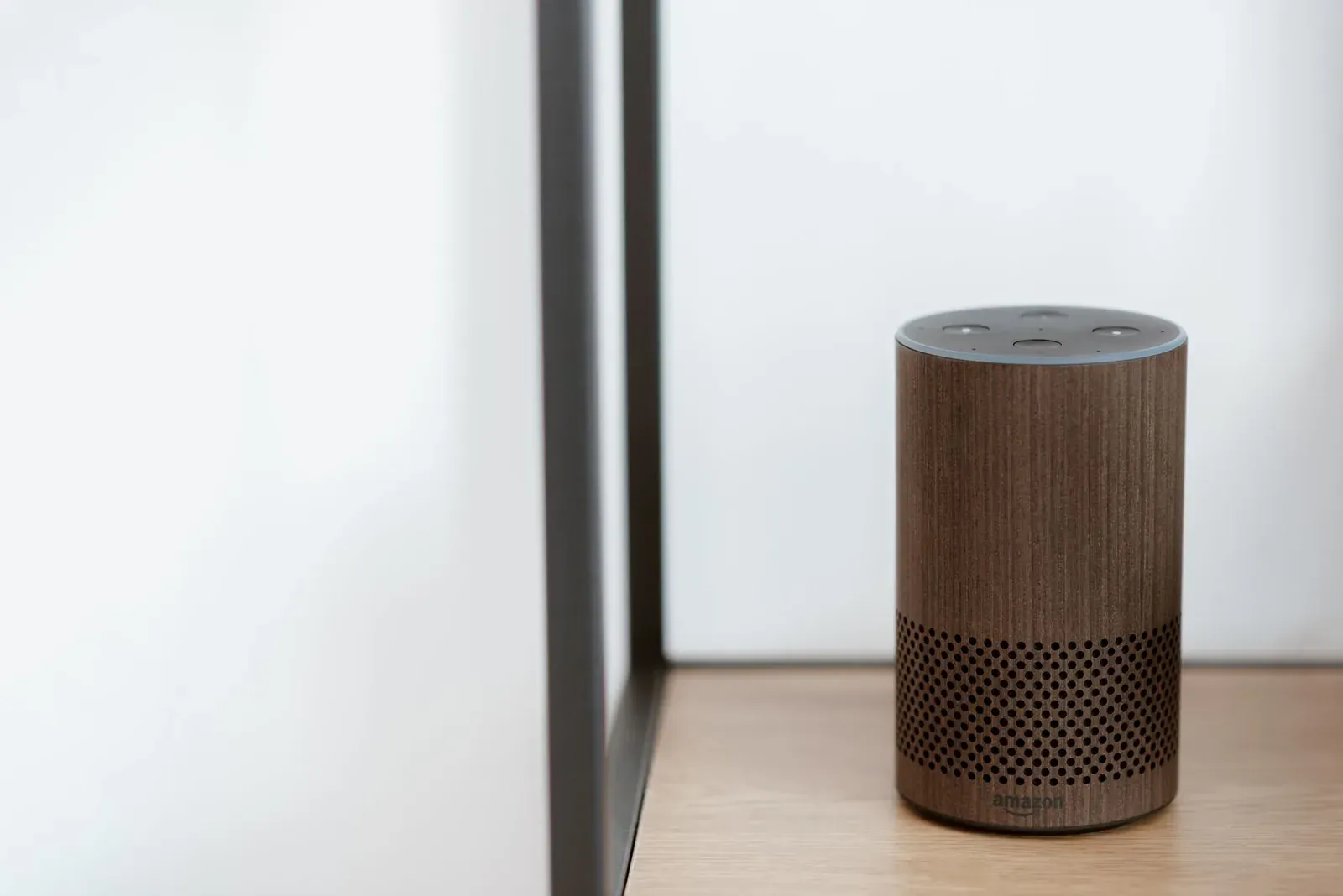
- Alexa is primarily a voice assistant and cloud service. Echo devices act as the control point, and many recent Echo models double as a Matter controller and Thread border router. Alexa is excellent at voice and simple routines, but it's built around Amazon's cloud rather than local control.
Comparison at a glance
| Factor | Home Assistant | SmartThings | Alexa |
|---|---|---|---|
| Best for | Control, privacy, tinkerers | Flexible middle ground | Voice-first simplicity |
| Local processing | Yes, by design | Partial (cloud-leaning) | Mostly cloud |
| Hardware to buy | Your own device or HA hardware | SmartThings hub or compatible Samsung device | An Echo device |
| Built-in radios | Add via dongle (Zigbee/Z-Wave/Thread) | Zigbee, Z-Wave, Thread built in | Thread + Matter on many Echos |
| Matter controller | Yes | Yes | Yes (on supported Echos) |
| Learning curve | Steep | Moderate | Gentle |
| Works if internet drops | Largely yes | Limited | Largely no |
| Voice assistant | Optional/local add-ons | Via Bixby/Alexa/Google | Native, strongest |
Device support and the role of Matter and Thread
All three are now Matter controllers, which matters more than it used to. Matter is the cross-industry standard from the Connectivity Standards Alliance designed to let devices work across ecosystems, and Thread is the low-power mesh many Matter devices use. In practice this means a Matter-certified bulb or plug can often be added to whichever of these platforms you choose — and even to more than one at once via multi-admin.
Where they diverge is the older protocols. SmartThings ships with Zigbee and Z-Wave radios built in, so a decade of existing sensors and switches pair directly. Alexa has no native Zigbee on most current Echos (earlier models like the 4th-gen Echo did include a Zigbee hub, but Amazon has moved away from it), so you typically rely on Matter, Wi-Fi devices, and Alexa Skills. Home Assistant supports essentially everything — but you add the radios yourself with a USB dongle and a piece of software like Zigbee2MQTT.
If you're weighing the underlying standards, our explainer on Matter vs Zigbee vs Z-Wave goes deeper, and many people already own a Thread border router — see Best Thread Border Routers You May Already Own.
Automations: simple routines vs deep logic
This is where the gap is widest.
- Alexa routines are trigger-and-action: a voice command, a time, or a sensor fires one or more actions. Built in the Alexa app, they're quick to set up and reliable for everyday tasks, but the conditional logic is limited.
- SmartThings adds more — multiple conditions, location modes, and a Rules feature for advanced users — while keeping a friendly app-based builder.
- Home Assistant is in a different league. Automations can chain conditions, templates, scripts, and external data (weather, presence, even custom sensors), and you can edit them visually or in YAML. If you can describe the behavior, you can usually build it.
- Local, conditional, scriptable automations
- Steeper setup, you maintain the server
- Fast, friendly routine builder in the app
- Limited conditions, cloud-dependent
Privacy, reliability, and who maintains it
Home Assistant's local-first design means most automations run on your hardware and keep working during an internet outage — a real advantage for door locks, lighting schedules, and security sensors. The trade-off is that you are responsible for updates, backups, and the occasional broken integration.
Alexa sits at the opposite end: it's polished and low-maintenance, but heavily cloud-dependent, so an outage or a service hiccup can leave voice control and routines unresponsive. SmartThings lands in between, with some local execution but a meaningful reliance on Samsung's cloud.
Reliability also depends on your network, regardless of platform. If devices drop off, the cause is often Wi-Fi rather than the hub — our guides on smart-home Wi-Fi best practices and stabilizing a hub that keeps disconnecting apply to all three.
Which should you choose?
Match the platform to how hands-on you want to be:
- Choose Home Assistant if you value privacy and local control, enjoy configuring things, or want automations no consumer app can match. Budget time to learn it — the payoff is a system that does exactly what you want and doesn't depend on anyone's cloud.
- Choose SmartThings if you want broad device compatibility (especially existing Zigbee/Z-Wave gear) without running a server, and you're comfortable in a polished app. It's the most balanced of the three.
- Choose Alexa if voice is your priority, you want the simplest start, and your needs are mostly "turn things on and off" plus straightforward routines. You can always layer it on top of the others later.
These aren't mutually exclusive. A common, sensible setup is Home Assistant or SmartThings as the automation brain, with Alexa added purely for voice — Matter's multi-admin support makes that kind of layering practical. If you're still deciding whether you even need a dedicated hub, start with Do You Still Need a Smart-Home Hub?
Frequently asked questions
Can I use Alexa with Home Assistant or SmartThings?
Yes. Alexa is frequently added on top of another hub just for voice. Home Assistant offers integrations that expose your entities to Alexa, and SmartThings has an official Alexa connection. Many people run one as the automation engine and use Alexa as the microphone.
Do I need a separate hub if my devices support Matter?
You still need a controller. Matter devices need something to commission and coordinate them — that can be an Echo, a SmartThings hub, or a Home Assistant instance — and Thread devices need a border router. Matter reduces lock-in, but it doesn't remove the need for a brain. See What Is a Thread Border Router for the details.
Which is hardest to set up?
Home Assistant, by a clear margin. You install software, often add a radio dongle, and learn its automation model. SmartThings is moderate, and Alexa is the gentlest — if you can set up an Echo, you can use it. Our Echo setup guide covers that starting point.
Which is most private?
Home Assistant, because it's local-first and you control the data and integrations. SmartThings and Alexa both route significant activity through their respective clouds, which is convenient but gives you less direct control over where information goes.