Alexa Reminders vs Alarms vs Timers: When to Use Each
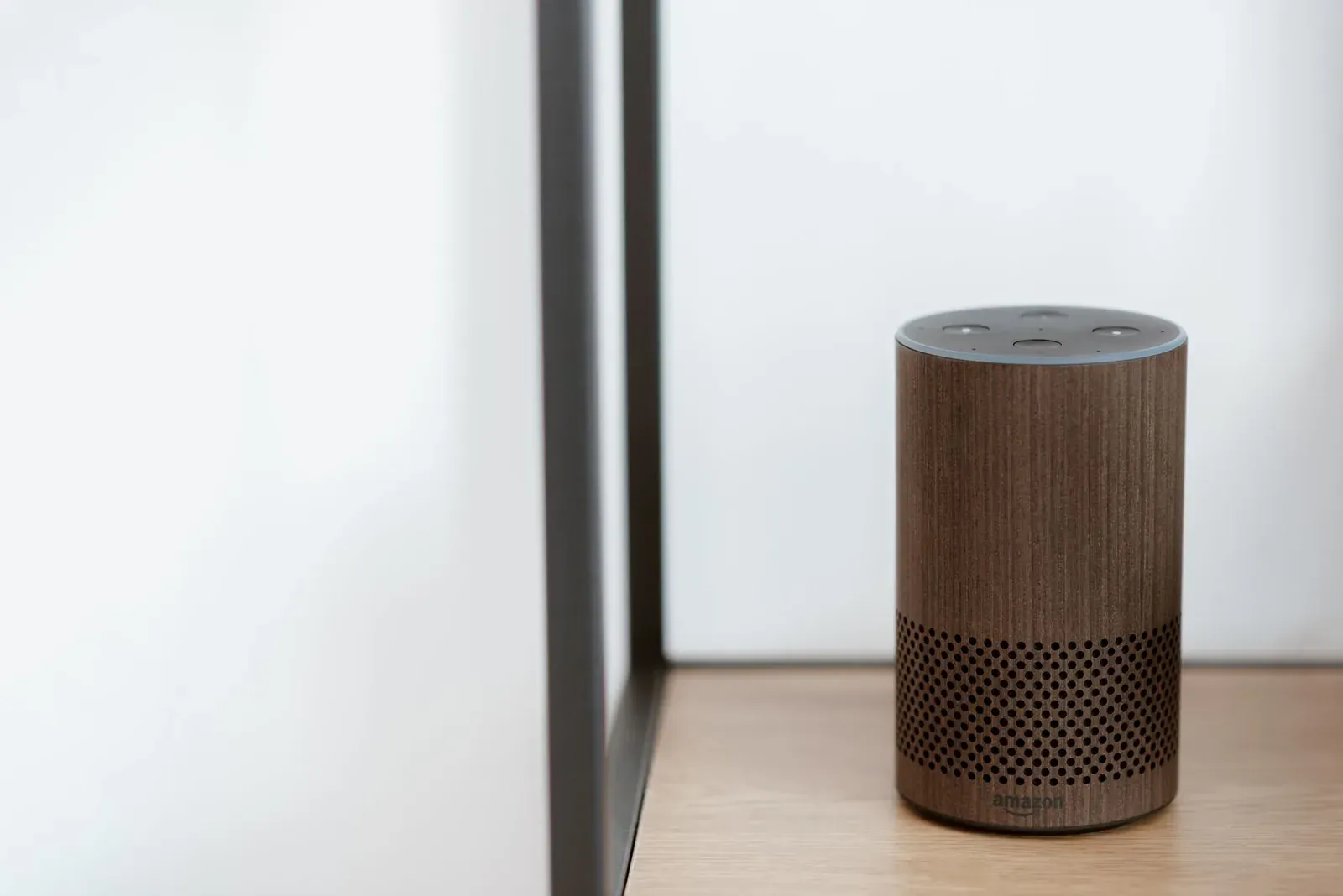
Alexa's reminders, alarms, and timers all deal with time, but they solve three different problems. In short: use a reminder when you want Alexa to tell you to do something at a specific time or place; use an alarm when you want a recurring or scheduled wake-up or alert that keeps sounding until you dismiss it; and use a timer when you want to count down a set amount of time, like ten minutes for pasta. The overlap causes most of the confusion, so the trick is matching the tool to whether you care about a clock time, a countdown, or a spoken prompt with context.
The core difference at a glance
The fastest way to choose is to ask what you're actually tracking. A timer tracks elapsed time from now. An alarm tracks a point on the clock. A reminder tracks a task that happens to have a time (or a place) attached to it. Here's how the three compare on the details that matter day to day.
| Feature | Reminder | Alarm | Timer |
|---|---|---|---|
| What it's for | Prompting you to do a specific task | Waking you or alerting at a set time | Counting down a duration |
| How you set it | By time and/or by a spoken task ("remind me to take out the trash") | By clock time ("7 a.m.") | By length ("20 minutes") |
| What it does when it fires | Speaks your task aloud, twice, then stops | Plays a tone or music and keeps sounding until dismissed | Plays a tone until you cancel it |
| Repeats on a schedule | Yes (daily, weekdays, weekly, etc.) | Yes (daily, weekdays, specific days) | No — one-shot countdown |
| Syncs to phone / other devices | Yes, via the Alexa app and household Echo devices | Stays on the device it was set on | Stays on the device it was set on |
| Typical use | Medication, appointments, errands, chores | Wake-up, leaving the house, recurring events | Cooking, laundry, workouts, short breaks |
Timers: counting down from now
A timer is the simplest of the three. You tell Alexa a duration — "set a timer for 15 minutes" — and it counts down and sounds a tone when it reaches zero. Timers are ideal when the exact clock time is irrelevant and you only care about how much time has passed since you started. Cooking, steeping tea, laundry cycles, and "give me five more minutes" moments are the classic cases.
A few things make timers more flexible than people expect. You can run several at once and give each a name, which is essential in the kitchen: "set a pasta timer for 11 minutes" and "set a bread timer for 40 minutes" won't collide, and you can ask "how much time is left on the pasta timer?" On an Echo Show, active timers appear on screen with a live countdown, which is genuinely useful when you're juggling multiple dishes. Timers keep sounding until you say "stop" or, on a screen device, tap to dismiss — so they won't quietly give up if you've stepped away.
The main limitation: a timer is a one-shot event. It won't repeat, and it doesn't survive as a scheduled item. If you want the same countdown every day, that's really an alarm's job.
Alarms: a point on the clock
An alarm fires at a specific clock time and, crucially, keeps sounding until you dismiss it. That persistence is the whole point — an alarm is designed to get your attention and hold it, which is why it's the right tool for waking up. You can set a one-time alarm ("set an alarm for 6:30 tomorrow") or a recurring one ("set an alarm for 7 a.m. on weekdays"), and you can choose a tone or, on many Echo devices, wake to music from a linked service.
Because alarms are tied to a clock time rather than a spoken task, they're best when the time is what matters and you already know why it's ringing: getting up, leaving for a commute, a standing 3 p.m. stretch break. If you snooze, Alexa typically gives you nine more minutes. One behavior worth knowing: alarms stay on the device where you set them and don't roam to your phone, so an alarm set on the bedroom Echo won't ring on the kitchen one.
If you like waking to music instead of a tone, that's an alarm feature — but for winding down at night, look at the separate Alexa sleep timer and sleep sounds, which fades audio out rather than sounding an alert.
Reminders: a task with a time or a place
A reminder is the only one of the three that carries a message. When it fires, Alexa doesn't just play a tone — she speaks your task aloud, usually chiming and then repeating the reminder a second time, before going quiet. "Remind me to take my medication at 9 p.m." produces a spoken "Here's your reminder: take your medication" at nine. That spoken context is what makes reminders right for anything you might otherwise forget the reason for.
Reminders are also the most connected of the three. They appear in the Alexa app, can push a notification to your phone, and can be set to announce on all your household Echo devices at once — so a "leave for the dentist" reminder can reach whichever room you're standing in. You can make them recurring, and on supported devices you can even set location-based reminders that trigger when your phone arrives at or leaves a place. If you want the full walkthrough, see our guide on how to set up Alexa reminders.
The trade-off is that reminders are polite, not persistent. Unlike an alarm, a reminder speaks its piece and stops — it won't keep nagging until dismissed. So a reminder is perfect for "call Mom" but a poor choice for waking up, because you can sleep straight through it.
- Speaks a specific task out loud
- Fires once and stops on its own
- Syncs to the app and across household Echoes
- Plays a tone or music with no message
- Keeps sounding until you dismiss it
- Stays on the device where it was set
How to decide in the moment
When you're not sure which to reach for, walk through it in this order.
- Is it a countdown? If you care about "how long from now" and not the clock, it's a timer.
- Does it need to keep sounding until you act? If yes — like a wake-up — it's an alarm.
- Do you need to remember what the task is, or get it on your phone and in other rooms? That's a reminder.
A quick real-world example: baking cookies that need 12 minutes is a timer; getting up at 6:45 tomorrow is an alarm; remembering to move the cookies to a cooling rack when you're back from a walk is a reminder. Same evening, three different tools.
All three respond to natural voice commands, so you rarely need the app to create them — though the Alexa app is the best place to review, edit, or delete everything you've set. If you find Alexa mishearing "timer" as "reminder," enunciating the duration ("a 10-minute timer") usually resolves it. And if voice control feels sluggish across the board, that's a device or network issue rather than a feature quirk — our piece on Alexa not responding covers the fixes.
Reminders in particular pair well with Alexa's household-wide voice features. If you want a spoken heads-up to reach everyone at home, it's worth understanding the related tools in Alexa announcements vs Drop In vs Broadcast.
Frequently asked questions
Do Alexa timers and alarms follow me to another room?
No. Both timers and alarms sound only on the specific Echo where you set them. If you set a kitchen timer and walk to the living room, you'll hear it faintly or not at all. Reminders are the exception — you can set them to announce across all your household Echo devices, so they'll reach you wherever you are.
What happens if I miss a reminder while I'm away from my Echo?
A reminder speaks aloud at the set time and then stops; it doesn't repeat indefinitely like an alarm. If you weren't nearby, you can still see it in the Alexa app, and if you've enabled push notifications, it can appear on your phone. For anything you genuinely can't afford to miss, an alarm — which keeps sounding until dismissed — is the safer choice.
Can I set a recurring timer?
Not really — timers are one-shot countdowns and don't repeat. If you want the same alert every day at the same time, use a recurring alarm ("every weekday at 7 a.m.") or a recurring reminder if you need a spoken task attached. Think of timers as "from now," and alarms and reminders as "on a schedule."
Which one should I use to wake up in the morning?
An alarm. It's the only one of the three that keeps sounding until you dismiss it, and it supports recurring schedules and, on many devices, waking to music. A reminder would speak once and go quiet — easy to sleep through — and a timer isn't built around a clock time at all.