Which Devices Are Thread Border Routers? 2026 List
A Thread border router (TBR) is any always-on, mains-powered device that connects your low-power Thread mesh to your regular Wi-Fi and Ethernet network so Matter-over-Thread accessories can reach your phone, your hub, and the internet. As of 2026, the most common Thread border routers are recent Amazon Echo speakers and displays, Google Nest speakers and displays, the fourth-generation Apple TV 4K and the HomePod/HomePod mini, Samsung SmartThings hubs (including the versions built into some Samsung TVs and Family Hub fridges), and a growing set of standalone hubs from Aqara, Eve, Nanoleaf, Home Assistant, and others. If you already own one of these, you very likely already have a border router — you just may not have noticed.
Below is the practical, ecosystem-by-ecosystem breakdown, plus how to confirm what a given device actually does. Because manufacturers add and drop the feature through firmware, treat any single product line as "usually, but check the current spec sheet" rather than a permanent guarantee.
What actually makes a device a Thread border router
Three things have to be true. The device needs a Thread radio (802.15.4 at 2.4 GHz), it needs to be continuously powered and on your network, and its firmware has to include border-router software that routes packets between Thread and IP. Battery accessories like door sensors and locks are Thread devices, not border routers — they join the mesh but can't bridge it. This is also why a border router is a different job from a Matter controller: the border router moves Thread traffic onto your LAN, while the controller (the Alexa, Google Home, Apple Home, or SmartThings app and its hub) is what commissions and commands the accessory. One box often does both, but they're separate roles. If you want the deeper conceptual version, see What Is a Thread Border Router (and Do You Need One)?.
Amazon (Alexa) border routers
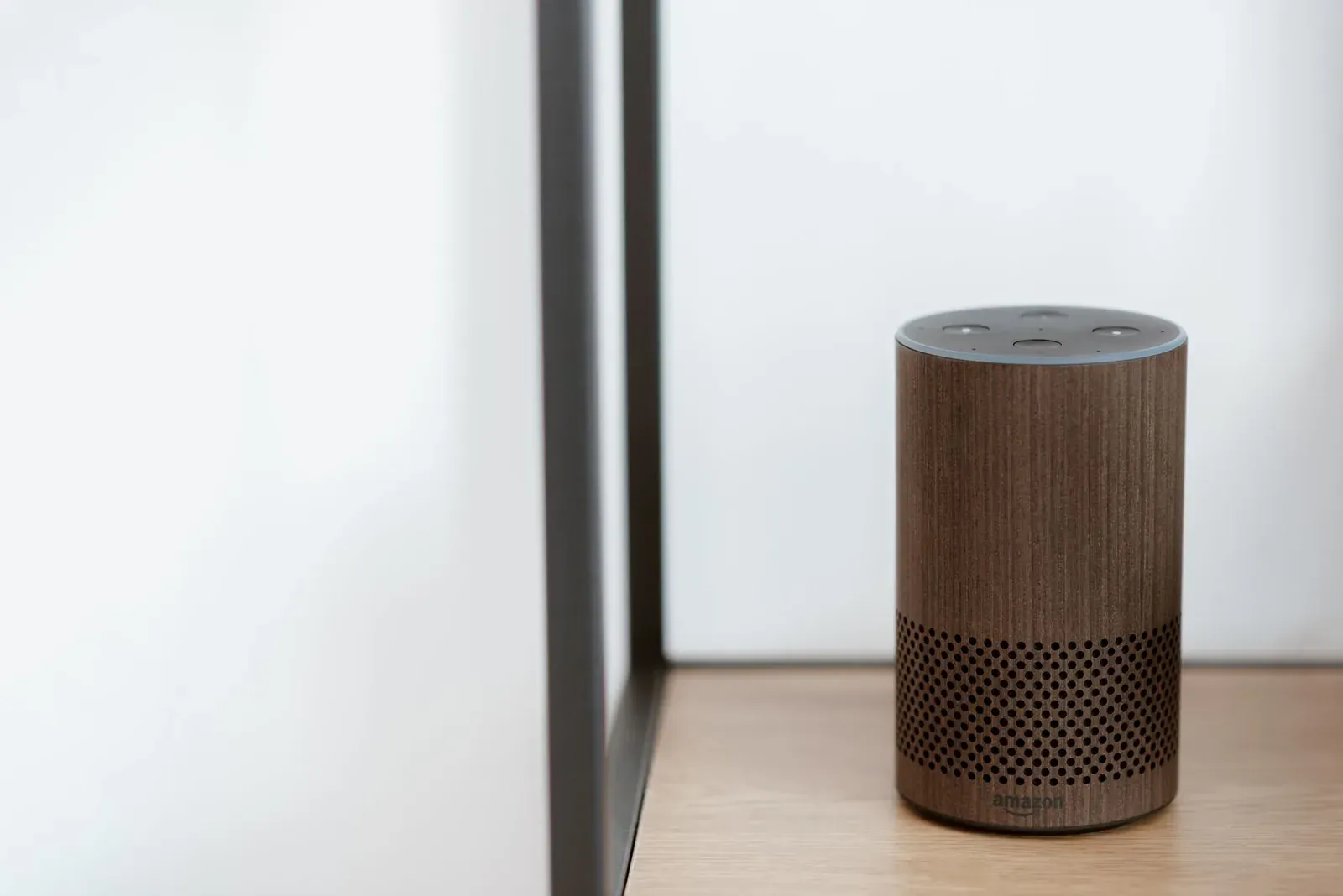
Amazon enabled Thread border-router functionality on several recent Echo devices via firmware, so eligibility tracks generation rather than model name alone. Fourth-generation Echo (the sphere), the Echo Show 10, the Echo Hub, and other recent smart displays are the ones typically cited in Amazon's own Matter and Thread documentation. Older second- and third-generation Echos generally do not have the radio. In the Alexa app, Thread devices are commissioned through the same "add device" flow you'd use for any Matter accessory; Alexa handles the border-router side in the background.
Google (Nest) border routers
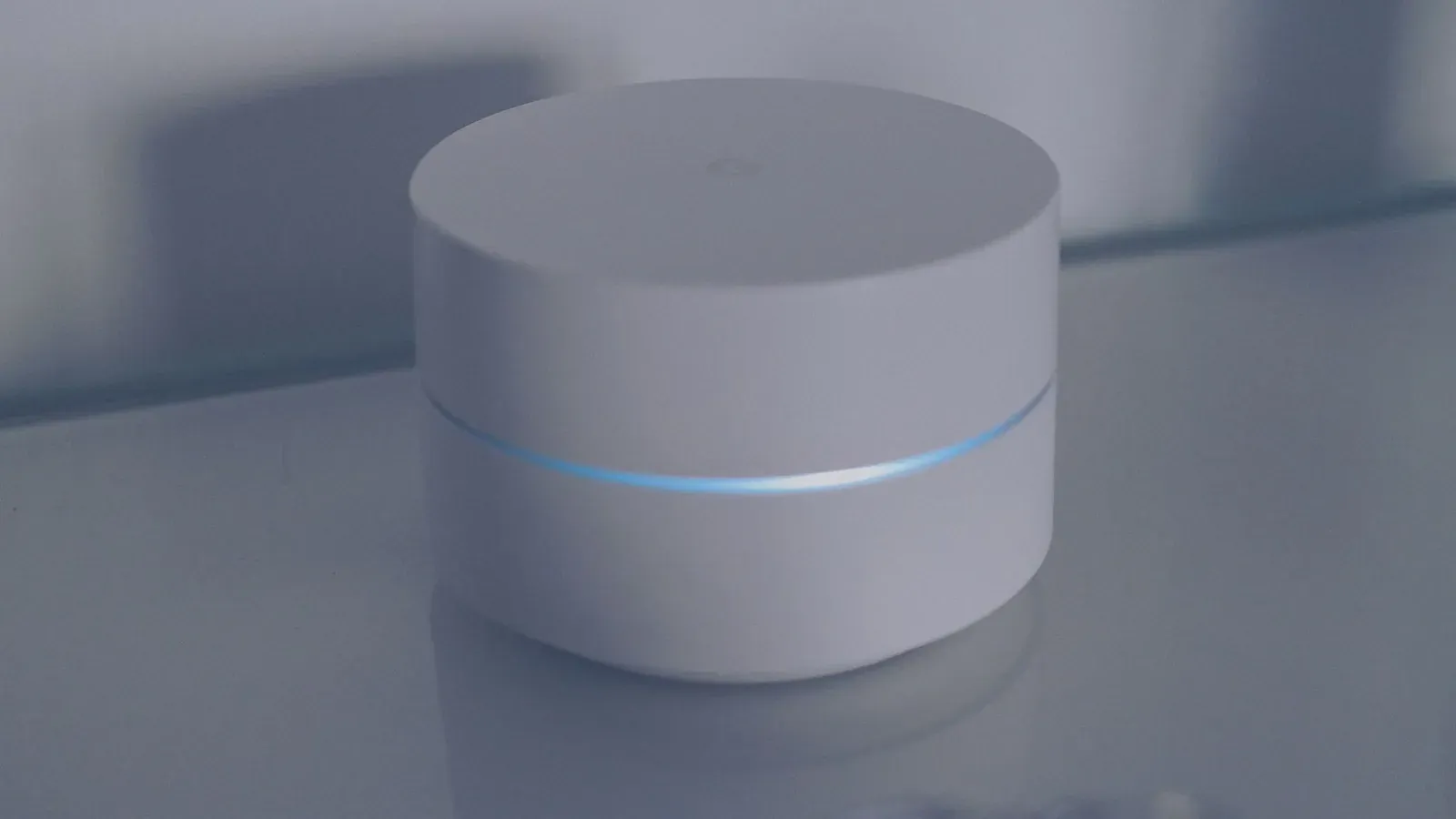
Google was one of the earliest adopters. The second-generation Nest Hub, the Nest Hub Max, the Nest Wifi Pro router, and recent Nest speakers/displays act as Thread border routers. A meaningful advantage in Google's ecosystem is that multiple Nest border routers cooperate on a single Thread network, so adding a second eligible device tends to strengthen the mesh rather than fragment it. You manage all of this through the Google Home app rather than any single settings screen, which Google has reorganized several times.
Apple (HomeKit / Apple Home) border routers
Apple's Thread border routers are the HomePod (second generation), the HomePod mini, and the Apple TV 4K (from the second generation onward, and especially the models with Ethernet). Apple Home coordinates them automatically, and the Apple Home app can show you Thread network details on a device's settings page. If you run Apple alongside another ecosystem, this is where sharing gets interesting — see Share a Matter Device Across Alexa, Google & Apple Home.
Samsung SmartThings border routers
Samsung has spread Thread border-router hardware across several product categories. The SmartThings Station and the SmartThings Hub (Aeotec-made) are the obvious ones, but Thread radios also appear in some recent Samsung smart TVs and certain Family Hub refrigerators, letting appliances double as smart-home infrastructure. Availability varies by model and region, so confirm on the specific product's spec page in the SmartThings or Samsung listing before you count on it.
Standalone hubs and DIY border routers
Outside the big four, several dedicated hubs act as Thread border routers: Aqara's newer hubs (such as the M-series), the Eve range's border-router-capable devices, Nanoleaf's hub, and the SkyConnect/Connect ZBT-1 USB stick when paired with Home Assistant's built-in Thread support via the OpenThread Border Router add-on. For a hands-on, save-money angle on this, we keep a running rundown in Best Thread Border Routers You May Already Own.
Quick reference table
| Ecosystem | Representative border-router devices (2026) | Managed in |
|---|---|---|
| Amazon Alexa | Echo (4th gen), Echo Show 10, Echo Hub, recent displays | Alexa app |
| Nest Hub (2nd gen), Nest Hub Max, Nest Wifi Pro, recent Nest speakers | Google Home app | |
| Apple | HomePod (2nd gen), HomePod mini, Apple TV 4K (2nd gen+) | Apple Home app |
| Samsung | SmartThings Station, SmartThings Hub, some Samsung TVs & Family Hub fridges | SmartThings app |
| Standalone / DIY | Aqara M-series hubs, Eve devices, Nanoleaf hub, Home Assistant + SkyConnect | Vendor or Home Assistant |
How to confirm a specific device is a border router
Rather than trusting a list, verify the box in front of you.
- 1Check the manufacturer’s spec sheet for “Thread” under connectivity (not just “Matter”)
- 2Confirm it is mains-powered and always on — battery devices can’t be border routers
- 3Look in the ecosystem app for a Thread network entry on the device’s details, or successfully commission a Thread accessory near it
If a Matter-over-Thread accessory pairs and stays responsive without you buying any separate hub, a border router is present and doing its job. To sanity-check signal and mesh quality afterward, our guide on how to check your Thread network health and signal strength walks through what to look at.
Frequently asked questions
Do I need a Thread border router to use Matter?
Only for Matter accessories that use Thread. Matter also runs over Wi-Fi and Ethernet, and those devices don't need one. If your accessory box says "Matter over Thread" or shows the Thread logo, you need a border router; if it's Wi-Fi, you don't. The distinction is covered in Matter over Thread vs Matter over Wi-Fi.
Can I have more than one border router?
Yes, and it's common. Multiple border routers that share the same Thread network credentials extend coverage and add fallback if one goes offline. The goal is one unified Thread network with several routers on it, which is where Matter multi-admin helps ecosystems cooperate instead of building separate meshes.
Is a Thread border router the same as a Matter bridge?
No. A border router bridges the Thread radio to your IP network. A Matter bridge translates a non-Matter protocol (like Zigbee) into Matter so older devices appear in Matter apps. They solve different problems — see What Is a Matter Bridge, and When Do You Need One?.
Does the border router need internet to work?
For local control, generally no — the Thread-to-LAN bridging happens on your own network. Internet is needed for remote access, voice assistants, and cloud automations. There's more nuance in Do Matter Devices Need the Internet to Work?.